
Robotic Surgery
Dr. Sagar Joshi
Consultant- Robotic, Laparoscopic, Transplant Surgeon & Urologist
Sterling Hospitals, Race Course Road | Sterling Hospitals, Bhayli, Vadodara
View Profileat Sterling Hospitals

Advances in surgical technology have made it possible to perform certain complex procedures through smaller incisions, with greater control and improved visualisation of the surgical area. Robotic-assisted surgery is one such approach, which involves the use of specialised instruments and computer-assisted systems. Depending on the operation and the patient’s condition, this approach offers enhanced precision and may help reduce blood loss, postoperative discomfort and recovery time.
Sterling Hospitals, Vadodara, brings the benefits of robotic-assisted surgery to the people of the city. Our team of robotic surgeons is equipped to provide specialised surgical care across urology, oncology, orthopaedics, gynaecology and other disciplines. The suitability of robotic surgery, however, depends on the patient's diagnosis, overall health and treatment requirements.
Here is a list of our robotic surgery doctors in Vadodara to help patients find a specialist based on their condition and surgical needs.
A robotic surgeon is a specialist trained to perform procedures using robotic-assisted surgical systems. Here, it is important to understand that robotic systems do not have any autonomy and are controlled by the surgeon.
A robotic surgery specialist may have expertise in urology, surgical oncology, gynaecology, gastrointestinal surgery or orthopaedics. Their responsibilities include evaluating the patient's condition, determining whether robotic assistance is appropriate, performing the procedure and overseeing postoperative care..
Robotic Surgery Doctors
Consultant- Robotic, Laparoscopic, Transplant Surgeon & Urologist

Senior Consultant - Surgical Gastroenterology

Senior Consultant – Surgical Oncology
Robotic-assisted surgery may be used to manage selected conditions affecting different organs and body systems. At Sterling Hospitals, Vadodara, surgical specialists evaluate patients to determine whether robotic assistance offers an appropriate approach to their treatment.
Prostate cancer may require surgical treatment depending on the stage of the disease, the patient's health and other clinical factors. Robotic-assisted radical prostatectomy allows surgeons to remove the prostate gland and associated tissues through small incisions.A robotic urology surgeon in Vadodara may evaluate patients for this procedure after reviewing their prostate-specific antigen (PSA) results, biopsy findings, imaging studies and treatment preferences. Not every patient with prostate cancer requires surgery.
Certain kidney tumours may be treated through robotic-assisted partial or radical nephrectomy. Partial nephrectomy involves removing the affected portion of the kidney while preserving healthy tissue wherever clinically feasible.Robotic surgery may also be considered for selected bladder conditions requiring surgical intervention. Patients with kidney disease or those being assessed for kidney transplantation require separate specialist evaluation to determine the appropriate treatment pathway.
Bladder cancer may require removal of part or all of the bladder, depending on the extent and characteristics of the disease. In selected cases, robotic-assisted cystectomy may be considered as part of the surgical treatment plan.The procedure requires careful assessment of cancer staging, urinary diversion options and the patient's overall health. Treatment planning may involve urologists, oncologists and other specialists.
Conditions such as uterine fibroids, endometriosis, pelvic organ prolapse and certain gynaecological cancers may require surgical intervention depending on their severity, symptoms and response to other treatments.Robotic-assisted procedures may be considered for selected hysterectomies, myomectomies, endometriosis resections and pelvic reconstructive operations. The treatment approach depends on the diagnosis, reproductive goals, overall health and individual surgical requirements.
Conditions affecting the stomach, oesophagus, colon and rectum may require surgical intervention, particularly in selected cases of cancer, rectal prolapse or other disorders that require operative treatment.Robotic-assisted procedures may include gastrectomy, colon resection, rectal resection and surgery for selected colorectal or esophageal cancers. The choice of procedure depends on the location and extent of the condition, surgical requirements and the patient's overall health.
A robotic cancer surgeon in Vadodara may perform selected procedures for cancers involving the prostate, kidneys, gastrointestinal tract, gynaecological organs and other suitable anatomical sites.Robotic assistance can support surgical access to confined areas, but its suitability depends on tumour location, stage, surgical objectives and overall treatment planning. Cancer treatment decisions may involve multidisciplinary discussions with surgical, medical and radiation oncology specialists.
Advanced osteoarthritis and other degenerative joint conditions may cause persistent pain, stiffness and reduced mobility. When appropriate non-surgical treatments do not provide sufficient relief, joint replacements may be considered.Robotic knee replacement surgeons use computer-assisted planning and robotic guidance to support bone preparation, joint alignment and implant positioning. Robotic-assisted hip replacement may also be considered for selected patients.
Severe obesity may increase the likelihood of developing conditions such as type 2 diabetes, high blood pressure and obstructive sleep apnoea. When appropriate non-surgical weight management approaches have not achieved sufficient results, bariatric surgery may be considered.Robotic-assisted bariatric procedures use specialised surgical instruments to support operations that modify the stomach or digestive tract. The suitability of surgery depends on the patient's health, weight-related conditions and clinical assessment.
Certain thyroid conditions, including selected thyroid nodules, goitres and thyroid cancers, may require surgical treatment. Robotic-assisted thyroidectomy allows surgeons to remove part or all of the thyroid gland using specialised instruments and an appropriate minimally invasive approach.A robotic surgery specialist evaluates the thyroid condition, imaging findings and overall health before determining whether robotic-assisted surgery is suitable.
Certain thoracic, pancreatic and other abdominal conditions may require specialised surgery. Depending on the diagnosis, robotic assistance may be considered where the procedure and available technology are suitable.Patients with complex spine conditions may also require specialist evaluation for ortho spine surgery. However, minimally invasive spine surgery and robotic-assisted spine surgery are not interchangeable, and the available approach must be confirmed with the treating specialist.
Different types of robotic surgeries are used according to the organ involved, the condition being treated and the surgical objectives. Sterling Hospitals, Vadodara offers robotic-assisted surgical care across multiple disciplines, with specific procedure availability determined by the treating facility and specialist.
Robotic radical prostatectomy involves removing the prostate gland and, when indicated, surrounding tissues to treat selected cases of prostate cancer.The robotic system provides magnified three-dimensional visualisation and instruments capable of controlled movements within the pelvis. Surgeons assess tumour characteristics, urinary function and other clinical factors when planning the procedure.
Robotic partial nephrectomy involves removing a kidney tumour while attempting to preserve healthy kidney tissue. Radical nephrectomy involves removing the entire affected kidney when clinically necessary.The approach depends on tumour size, position, complexity, kidney function and the patient's overall health. A robotic surgeon evaluates these factors before recommending surgery.
Robotic-assisted cystectomy may be performed for selected cases of bladder cancer requiring removal of the bladder.The operation may also involve creating an alternative pathway for urine to leave the body. Surgical planning considers disease extent, urinary diversion options, surgical and postoperative recovery requirements.
Robotic-assisted gynaecological procedures may include hysterectomy, myomectomy, endometriosis resection and selected pelvic organ prolapse surgeries. These procedures address conditions affecting the uterus, pelvic structures and reproductive organs.Depending on the diagnosis, robotic assistance may support tissue removal, reconstruction and other surgical steps through minimally invasive techniques. The appropriate procedure is determined after evaluating the patient's symptoms, diagnosis and treatment requirements.
Robotic-assisted gastrointestinal procedures may be used for selected operations involving the stomach, colon, rectum and other abdominal organs.The system supports controlled instrument movements and visualisation during dissection, tissue handling and reconstruction. The choice between robotic, laparoscopic and open surgery depends on the complexity of the procedure and individual clinical considerations.
Robotic-assisted surgery may be considered for selected cancers involving the digestive tract, urinary system, reproductive organs and thoracic structures.The surgical objective may involve removing a tumour, assessing nearby structures or performing reconstruction when necessary. A robotic cancer surgeon considers the cancer stage, treatment sequence and expected surgical benefits before recommending the procedure.
Robotic-assisted knee replacement involves replacing damaged joint surfaces with artificial components while using robotic guidance to assist surgical planning and implant positioning.The system helps the surgeon assess alignment and execute planned bone preparation. The procedure may be considered for selected patients with advanced knee arthritis who continue to experience significant symptoms despite appropriate conservative treatment.
Robotic technology may also assist selected hip replacement and partial knee replacement procedures.During these operations, computer-assisted planning and robotic guidance support the preparation and positioning of replacement components. The choice of implant and surgical approach depends on joint damage, anatomy, functional requirements and other clinical factors.
Robotic bariatric surgery may be considered for selected individuals with severe obesity when clinically appropriate non-surgical treatments have not achieved sufficient results.The surgeon uses robotic-assisted instruments to perform suitable weight-loss procedures involving the stomach or digestive tract. Treatment planning includes evaluating weight-related medical conditions, surgical suitability and long-term nutritional and lifestyle requirements.
Robotic thyroidectomy involves removing part or all of the thyroid gland using a robotic-assisted surgical approach. It may be considered for selected patients with thyroid nodules, goitres or thyroid cancer requiring operative treatment.The surgeon evaluates the condition, thyroid anatomy and available surgical approaches before recommending the procedure. In selected cases, robotic techniques may allow incisions to be placed away from the front of the neck.
Consulting a robotic surgeon does not necessarily mean that surgery will be recommended. A specialist can assess the condition, explain available treatment options and determine whether robotic assistance is appropriate.
Consult a robotic surgeon near you in the following circumstances:
Diagnosis of a condition requiring surgery: Patients diagnosed with prostate cancer, kidney tumours, certain gastrointestinal disorders or other conditions requiring an operation may seek a robotic surgical opinion.
Persistent symptoms despite non-surgical treatment: Patients with significant joint pain, gynaecological symptoms or other conditions that have not responded adequately to treatment may require surgical evaluation.
Recommendation for a complex procedure: When surgery involves delicate structures or difficult-to-access anatomical areas, a specialist may assess whether robotic assistance is suitable.
Considering different surgical approaches: Patients advised to undergo open or laparoscopic surgery may wish to understand whether robotic-assisted surgery is an appropriate alternative.
Planning a joint replacement: Individuals with advanced knee or hip arthritis may consult robotic joint replacement surgeons to discuss available techniques.
Seeking a second surgical opinion: Patients can request an independent review of their diagnosis, previous investigations and proposed treatment.
Questions about surgical recovery: A robotic surgery doctor can explain expected hospitalisation, activity restrictions, rehabilitation and postoperative follow-up.
Concerns about surgical suitability: Patients with underlying medical conditions may require detailed assessment before deciding on the most available treatment approach.
The decision to undergo robotic-assisted surgery should follow a detailed consultation, clinical examination and review of relevant investigations.
Choosing a robotic surgery hospital in Vadodara involves assessing the surgeon's qualifications, relevant surgical experience, available technology, supporting medical facilities and postoperative care arrangements. At Sterling Hospitals, Vadodara, patients can seek robotic surgical evaluation across several medical specialities.
Sterling Hospitals, Vadodara has surgical specialists involved in robotic-assisted urology, oncology and other procedures. Patients can consult a robotic surgeon in Vadodara according to the organ affected, the diagnosis and the type of treatment required.The appropriate specialist is selected based on their surgical discipline and experience with the relevant procedure.
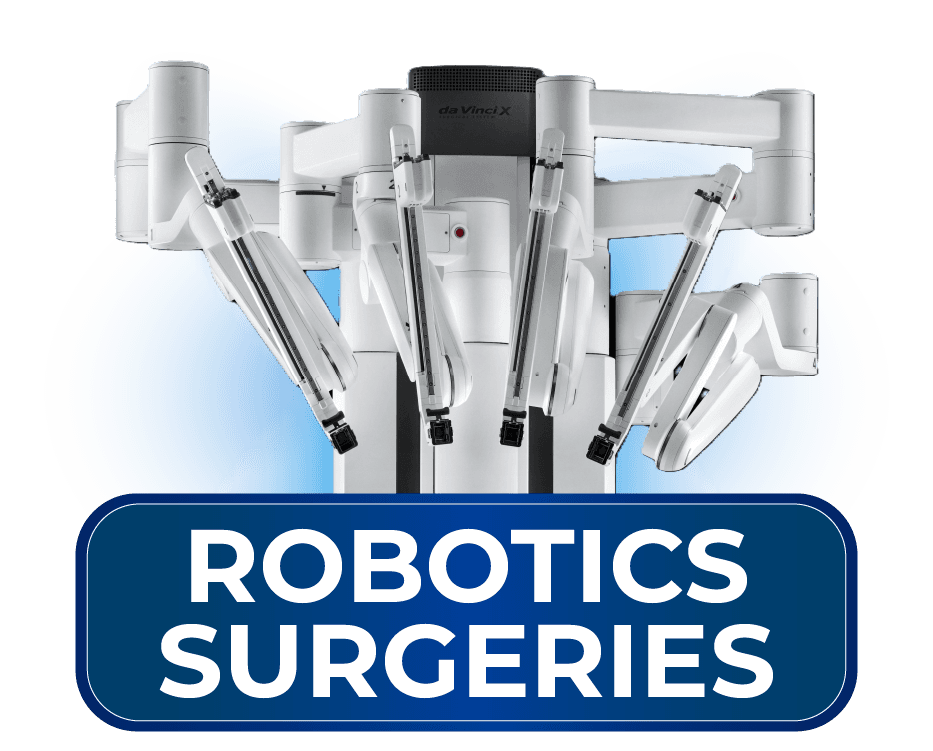
Sterling Hospitals uses the da Vinci X Surgical System for selected robotic-assisted procedures. The system provides magnified three-dimensional high-definition visualisation, surgeon-controlled wristed instruments and technology that filters natural hand tremors to support precise surgical movements.It also offers features such as Firefly fluorescence imaging for selected procedures and specialised instruments for tissue handling and stapling. These capabilities can assist surgeons during complex operations involving delicate or difficult-to-access anatomical structures.
Some conditions require assessment by more than one medical speciality. For example, cancer surgery may involve collaboration between surgical oncologists, medical oncologists, radiologists and other specialists.Multidisciplinary evaluation helps support treatment planning based on the patient's diagnosis and overall medical needs.
No single surgical approach is appropriate for every patient. Robotic surgery doctors consider imaging findings, medical history, underlying health conditions and individual treatment requirements before recommending a surgical approach.Patients may be offered robotic-assisted, conventional laparoscopic, open or non-surgical treatment options depending on their circumstances.
In appropriately selected procedures, robotic-assisted surgery can offer several potential benefits:
The potential benefits vary according to the procedure, the patient's condition and the surgical approach selected.
Recovery is an important part of surgical treatment. Depending on the procedure, patients may require pain management, wound care, monitoring, physiotherapy or other rehabilitation services.Sterling Hospitals, Vadodara provides postoperative guidance and follow-up support according to the patient's condition, the surgery performed and their individual recovery needs.
Patients seeking experienced robotic surgeons in Vadodara can explore the available specialists at Sterling Hospitals and arrange a consultation based on their diagnosis and surgical requirements.
Patients can contact Sterling Hospitals through its official appointment helpline to enquire about robotic surgery specialists, consultation schedules and appointment availability.
Patients can also use the Sterling Hospitals website to explore available doctor profiles and request an appointment.
The general booking process involves:
Choose the Hospital Location: Select the relevant Sterling Hospitals facility in Vadodara.
Find a Robotic Surgeon: Review available robotic surgery specialists and their areas of practice.
Enter Patient Details: Provide the required contact information and basic patient details.
Select an Appointment: Choose an available consultation date and time to complete the booking process.
Patients should confirm the specialist's availability and whether the relevant robotic surgical procedure is offered at their chosen hospital location.
Robotic-assisted surgery uses surgeon-controlled robotic instruments and enhanced visualisation to perform selected procedures. Unlike conventional open surgery, many robotic procedures involve smaller incisions. However, the suitability and potential benefits depend on the operation and the patient's condition.
No. Robotic surgery doctors remain responsible for the procedure and control the robotic instruments. They may also use conventional surgical techniques and instruments when required. The robotic system does not independently make surgical decisions or perform the operation.
Yes. Robotic-assisted surgery may be used for selected cancers involving the prostate, kidneys, bladder, gastrointestinal tract and reproductive organs. Its suitability depends on the cancer type, stage, location and overall treatment plan.
Yes. At Sterling Hospitals, Vadodara, you can consult a robotic surgery specialist to discuss your condition and available treatment options. The surgeon will review your medical history, symptoms and diagnostic findings to determine whether robotic-assisted surgery or another treatment approach may be appropriate for you.
Recovery time after robotic surgery depends on the type of procedure, the patient's overall health and individual recovery progress. Some patients may experience shorter hospital stays following minimally invasive procedures, while others may require additional recovery time and rehabilitation. The treating surgeon provides guidance based on the patient's condition and surgical requirements.
The surgeon operates specialised instruments through small incisions while viewing the surgical area through a camera system. Movements made at the surgical console are translated into controlled instrument movements. The surgeon remains responsible for every operative step.
Both perform minimally invasive procedures, but the techniques differ. Conventional laparoscopy generally involves manually controlled instruments and camera systems. Robotic-assisted surgery uses a computer-assisted platform with surgeon-controlled instruments. A surgical specialist may be trained in both approaches.
The cost of robotic surgery in Vadodara depends on the type of procedure, complexity of the condition, surgeon's fees, hospital stay and postoperative care requirements. At Sterling Hospitals, Vadodara, patients can consult the relevant surgical specialist to understand their treatment plan and obtain an estimate of the associated costs.
When searching for a robotic surgeon near you in Vadodara, consider the doctor's qualifications, surgical speciality, experience with the recommended procedure and hospital facilities. Patients can review Sterling Hospitals' robotic surgeon profiles in Vadodara and seek a consultation relevant to their condition.
Patients seeking a robotic surgery consultation in Vadodara can explore the available specialists at Sterling Hospitals and enquire about appointment availability. The choice of specialist depends on the patient's medical condition, the procedure being considered and individual treatment requirements.