


Over Two Decades in Healthcare Services
Established in 2001, Sterling Hospitals brings more than two decades of organisational healthcare experience, supported by specialist doctors and multidisciplinary clinical teams.
Finding the right medical care may involve several considerations, from the availability of specialist doctors to appropriate diagnostic and treatment facilities. For patients and their families, having all medical services under one roof can help ease the treatment journeys. At Sterling Ramkrishna Speciality Hospital, Gandhidham, we provide multidisciplinary medical and surgical care delivered by experienced doctors and nursing staff, supported by comprehensive diagnostic facilities. It is a multispeciality hospital near you that brings together expertise across medical and surgical disciplines to support coordinated diagnosis, treatment and follow-up care.
Sterling Hospitals has been providing healthcare services across Gujarat since 2001, with a focus on upholding global clinical standards, ethical practices and individualised care. As a multispeciality hospital in Gandhidham, Sterling Ramkrishna Speciality Hospital extends these services to patients in Gandhidham and the wider Kutch region. From preventive health assessments and outpatient consultations to surgical treatment and emergency care, our services address a range of healthcare requirements. We aim to keep patients and their families informed about medical findings, available treatment options and subsequent care.
Evidence-based care through innovation, advanced technology, and qualified professionals, ensuring exceptional patient outcomes
Compassionate, personalized, holistic approach leading to superior patient care
Upholding honesty and integrity in all interactions, ensuring trust through clear communication and ethical practices
Equipped with state-of-the-art facilities and cutting-edge technology to support superior patient care and innovative treatments
Discover Sterling Hospitals in Gandhidham, renowned as Gujarat's top multi-speciality medical center. With NABH accreditation, we pledge to provide tailored, comprehensive care, positively impacting numerous lives each year. Our compassionate professionals ensure exceptional healthcare services with easy accessibility for all.
From routine check-ups to specialized treatments, our dedicated team of healthcare professionals offers personalized care to meet all your needs on your journey to wellness.
Our physicians are committed to delivering personalized care tailored to your unique needs. From routine check-ups to complex procedures, trust in our compassionate experts to guide you on your journey to optimal health and well-being.
Watch inspiring recovery stories from our patients and explore our comprehensive healthcare services
Real recovery journeys from our patients
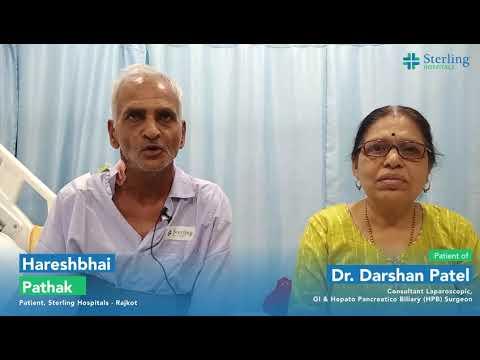
Hareshbhai's health improved under the expert care of Dr. Darshan and the team at Sterling Hospitals.
Sterling Hospitals delivered advanced paediatric oncology care, preserving a young girl's liver with precision surgery
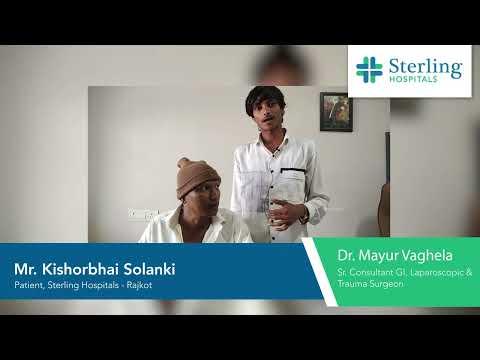
A life-saving Thoracoscopic Decortication successfully treated a lung cancer
Explore our advanced surgical procedures and comprehensive treatment options
Comprehensive support for patients traveling from abroad
Contact us for any queries or assistance
Ward 10-B “C, Nr. YMCA, Plot Health Centre, opp. IFFCO Colony, Gandhidham, Gujarat 370203
Discover Unparalleled Expertise: Where Advanced Technology and Compassionate Care Meet to Deliver Exceptional Healthcare Services
Coronary Angioplasty, also known as Percutaneous Coronary Intervention (PCI), is a minimally invasive procedure used to treat blocked or narrowed coronary arteries. During the procedure, a catheter with a deflated balloon at its tip is inserted into the blocked artery. Once in place, the balloon is inflated to compress the plaque build-up, widening the artery and restoring blood flow to the heart muscle. In some cases, a stent—a small mesh tube—is also placed to help keep the artery open and prevent re-narrowing.
Cholecystectomy is a surgical procedure used to remove the gallbladder, a small organ located beneath the liver. The gallbladder stores bile, a digestive fluid produced by the liver, and releases it into the small intestine to aid in the digestion of fats. Cholecystectomy may be performed as an open surgery or laparoscopically, using small incisions and specialized instruments.
Heart Bypass Surgery, also known as coronary artery bypass grafting (CABG), is a surgical procedure used to treat coronary artery disease (CAD). During the surgery, a cardiac surgeon creates new pathways (bypasses) around blocked or narrowed coronary arteries, allowing blood to flow more freely to the heart muscle. This is typically accomplished by using healthy blood vessels from other parts of the body or synthetic grafts to bypass the blocked arteries.
Total Knee Replacement Surgery, also known as total knee arthroplasty, is a medical procedure aimed at relieving pain and restoring function in knees damaged by arthritis or injury. During the surgery, the damaged knee joint is replaced with an artificial implant made of metal alloys, high-grade plastics, and polymers. This procedure can significantly improve mobility and enhance the quality of life for individuals suffering from severe knee pain and limited mobility.
At Sterling Ramkrishna Speciality Hospital, Gandhidham, different departments work together to provide medical assessment, treatment and ongoing care. Our facilities support outpatient consultations, diagnostic investigations, hospital admissions and specialised medical services according to individual clinical requirements.
Established in 2001, Sterling Hospitals brings more than two decades of organisational healthcare experience, supported by specialist doctors and multidisciplinary clinical teams.
Our Gandhidham hospital offers medical and surgical infrastructure, diagnostic investigations, emergency services and intensive care facilities for patients requiring specialised evaluation and treatment.
NABH accreditation reflects adherence to recognised standards relating to healthcare quality, patient safety and hospital management.
Our healthcare teams focus on individual medical needs, clear communication and coordination between departments to support patients throughout their care.
Medical conditions often require specialist evaluation and, in some cases, collaboration between different healthcare departments. As a multispeciality hospital, Sterling Ramkrishna Speciality Hospital offers medical and surgical services across several disciplines, supporting patients with routine concerns, chronic illnesses and conditions requiring specialised care.
Patients looking for a heart hospital in Gandhidham can consult cardiologists at Sterling Ramkrishna Speciality Hospital for cardiovascular conditions, including coronary artery disease, heart rhythm abnormalities, heart failure and valve-related disorders. Our cardiac services cover clinical assessments, diagnostic investigations and interventional cardiology. Treatment options include coronary angiography and angioplasty where appropriate, alongside coordinated care for patients who require cardiac surgical evaluation.
Patients seeking a neurology hospital in Gandhidham can access assessment and treatment for conditions affecting the brain, spinal cord and nervous system. Our neurological services cover conditions such as epilepsy, stroke, movement disorders, nerve-related concerns and other neurological illnesses. Neurosurgical care includes evaluation of selected brain and spine conditions, with treatment decisions based on clinical findings, imaging investigations and individual medical requirements.
Sterling Ramkrishna Speciality Hospital provides cancer care services for patients seeking a cancer hospital in Gandhidham. Our oncology services cover medical, surgical and radiation oncology, along with specialised care for blood cancers through haematology and haemato-oncology. Treatment options may include chemotherapy, targeted therapies, immunotherapy, cancer surgery and radiotherapy, depending on the diagnosis. Multidisciplinary teams support cancer evaluation, treatment planning and ongoing care, including assessment for bone marrow transplantation when clinically appropriate.
Patients seeking an orthopaedic hospital in Gandhidham can access consultations for joint disorders, fractures, sports injuries, arthritis and other musculoskeletal conditions. Our orthopaedic services include evaluation of bone and joint problems, surgical management where required, and rehabilitation support. Procedures such as knee replacement may be considered for suitable patients following assessment of joint damage, symptoms and response to non-surgical treatment.
Our gastroenterology services address medical conditions involving the stomach, intestines, liver, pancreas and other digestive organs. Patients may seek specialist assessment for persistent digestive symptoms, gastrointestinal disorders and conditions requiring procedural or surgical treatment. Gastroenterology and gastrointestinal surgery services support evaluation and treatment planning according to the diagnosis, severity of the condition and individual healthcare needs.
Patients searching for a kidney hospital in Gandhidham can consult specialists for kidney disease and conditions affecting the urinary system. Our nephrology and urology services address concerns such as impaired kidney function, urinary tract disorders, kidney stones and prostate-related conditions. Care may include diagnostic investigations, medical management, dialysis assessment and specialist treatment depending on the patient's condition.
Our general surgery services cover the assessment and surgical management of conditions involving the abdomen, digestive system and other areas requiring operative treatment. Procedures may include hernia repair, gallbladder surgery and other general surgical interventions based on clinical suitability. The surgical team evaluates the patient's diagnosis, medical history and overall health before recommending an appropriate treatment approach.
Patients looking for a gynaecology hospital in Gandhidham can seek medical advice for menstrual disorders, reproductive health concerns and other conditions affecting women's health. Obstetric and gynaecological services support clinical evaluation, pregnancy-related consultations and treatment planning. Where additional medical attention is required, healthcare teams coordinate relevant assessments and specialist support according to the patient's condition.
Our paediatric services address the healthcare needs of infants, children and adolescents. Paediatric consultations may involve common childhood illnesses, developmental concerns, preventive healthcare and conditions requiring specialist medical assessment. The care approach considers the child's age, symptoms and medical history, with coordination between relevant departments when further investigation or specialised treatment is needed.
Sterling Ramkrishna Speciality Hospital provides critical care support for patients who require close medical monitoring following serious illness, injury or major surgery. Intensivists, specialist doctors and nursing teams coordinate treatment according to the patient's condition. Critical care services include respiratory support, cardiovascular observation and other interventions required for the management of critically ill patients.
Our emergency department provides round-the-clock medical assessment and treatment for urgent conditions such as heart attacks, strokes, trauma and severe breathing difficulties. Emergency care is supported by triage procedures, multidisciplinary medical teams, diagnostic services and ambulance coordination. GPS-enabled ambulance support forms part of Sterling's emergency response framework, helping patients access hospital-based care when urgent medical attention is required.
Our respiratory care services address conditions affecting the lungs and airways, including asthma, chronic obstructive pulmonary disease, respiratory infections and other breathing-related disorders. Clinical assessment may involve lung function testing, diagnostic imaging and specialist evaluation. Treatment recommendations are based on the underlying condition, severity of symptoms and individual patient requirements.
Sterling Ramkrishna Speciality Hospital provides ENT services for conditions affecting the ears, nose, throat and related structures. Patients can seek medical evaluation for sinus-related concerns, hearing problems, ear infections, throat disorders and other ENT conditions. Treatment may include medication, relevant investigations or procedures, depending on the diagnosis and recommendations of the treating specialist.
Our diabetology and endocrinology services support patients with diabetes, thyroid disorders and other conditions involving hormones and metabolism. Care may include blood glucose assessment, medication review, investigations and guidance on managing chronic endocrine conditions. Treatment planning considers the patient's medical history, existing health concerns and need for ongoing monitoring.
Our ophthalmology services provide evaluation and treatment for conditions affecting the eyes and vision, including cataracts, glaucoma, retinal disorders and refractive errors. Patients can access comprehensive eye examinations, diagnostic investigations and medical or surgical treatment based on their condition. Our specialists recommend appropriate care following an assessment of the patient's symptoms, eye health and individual visual needs.
Our psychiatry services provide assessment and medical support for patients experiencing mental and behavioural health concerns, including anxiety disorders, depression, sleep-related difficulties and other psychiatric conditions. Specialists evaluate symptoms, medical history and individual circumstances before recommending appropriate treatment. Care may involve medication, psychological support and coordination with other healthcare professionals based on individual clinical needs.
Physiotherapy services support patients experiencing movement difficulties, muscle weakness, joint problems or functional limitations following illness, injury or surgery. Rehabilitation programmes may involve therapeutic exercises, mobility training and measures intended to improve physical function. The recommended approach depends on the condition, treatment received and individual recovery goals.
Alongside these major disciplines, Sterling Ramkrishna Speciality Hospital provides additional healthcare services, including dentistry, internal medicine, anaesthesiology, cardiothoracic and vascular surgery, and dietetics and nutrition. Our dental services cover concerns such as tooth decay, gum disorders and missing teeth, with treatments including root canal procedures, dental implants and orthodontic care. Specialist availability and treatment recommendations depend on individual clinical requirements.
Regular health assessments can help identify certain medical concerns, monitor known risk factors and support preventive healthcare decisions. Sterling Ramkrishna Speciality Hospital offers health check-up packages that include combinations of laboratory investigations, imaging tests and clinical consultations.
Available health assessment categories include:
The choice of package and any additional investigations should be guided by individual health needs and medical advice.
Medical technology supports clinical diagnosis, treatment planning, surgical procedures and patient monitoring. Sterling Ramkrishna Speciality Hospital brings together diagnostic equipment and treatment infrastructure to assist healthcare professionals across medical and surgical disciplines.
Selected surgical conditions may be treated using minimally invasive techniques, including laparoscopic procedures where appropriate. These approaches use specialised instruments and smaller incisions for suitable operations, such as certain abdominal procedures. Depending on the patient's condition and type of surgery, potential benefits may include reduced postoperative discomfort and shorter hospital stays. Surgical suitability is determined through clinical evaluation.
Radiation oncology services in Gandhidham are supported by radiotherapy equipment used for the treatment of selected cancers. Treatment involves carefully planned radiation delivery, taking into account the tumour's location, surrounding tissues and prescribed treatment requirements. Radiation oncologists assess the cancer diagnosis and individual clinical factors before recommending radiotherapy or its combination with other treatment approaches.
Diagnostic facilities at Sterling Ramkrishna Speciality Hospital support clinical evaluation through investigations such as MRI, CT scans, ultrasound and other relevant imaging services. Additional diagnostic tests include ECG, echocardiography, stress testing and neurological investigations. These technologies help specialists assess medical conditions, review clinical findings and determine whether further investigations or treatment are required.
The hospital's surgical infrastructure includes operating theatre facilities supported by appropriate anaesthesia services and perioperative monitoring. Intensive care facilities provide equipment for respiratory support, patient observation and the assessment of clinical changes. These resources assist medical teams in managing patients undergoing surgery or receiving treatment for conditions requiring more intensive medical supervision.
Digital diagnostic information and clinical communication systems support the coordination of healthcare services. Medical teams use relevant test findings, imaging reports and treatment information to review patient conditions and plan subsequent care. These systems can assist collaboration between departments, particularly when patients require consultations from multiple specialists or ongoing clinical monitoring.
Some medical conditions require immediate attention, while others involve continuous monitoring and specialised treatment. Sterling Ramkrishna Speciality Hospital provides emergency and critical care services to support patients experiencing serious illnesses, injuries and other urgent healthcare needs.
Our emergency services operate round the clock, providing assessment and initial treatment for acute medical conditions, injuries and trauma. The emergency framework includes rapid triage, access to specialist support and coordinated ambulance services. GPS-enabled ambulances and Sterling's emergency response network support communication and patient transportation. On arrival, emergency teams assess the patient's condition and initiate treatment or arrange further specialist intervention according to clinical urgency.
Critical care services support patients with serious infections, cardiovascular complications, respiratory failure, major injuries and other conditions requiring intensive medical management. Treatment is coordinated by critical care professionals, specialist doctors and nursing teams. Depending on individual requirements, care may involve respiratory support, cardiovascular monitoring, intravenous medication and other medical interventions. Regular clinical assessment helps determine the appropriate level of monitoring and ongoing treatment.
Sterling Ramkrishna Speciality Hospital provides intensive care facilities for patients who need continuous observation and specialised medical support. ICU care may include ventilator assistance, monitoring of vital signs and management of complications following major surgery or severe illness. Medical teams review clinical progress, monitor responses to treatment and coordinate additional investigations or interventions when necessary. The intensity of care depends on the patient's medical condition.
Sterling Hospitals provides support for international patients travelling to India for medical consultations and treatment. Planning healthcare away from home may involve medical documentation, travel requirements and arrangements for accompanying family members.
Through Sterling's international patient support services, patients can enquire about assistance with different aspects of their treatment journey. The availability of individual services for treatment in Gandhidham should be confirmed when making arrangements.
Pre-travel consultations may help patients share medical reports, discuss concerns and understand the next steps in their clinical assessment.
Support with medical visa documentation can help eligible international patients prepare the information needed for their treatment-related travel.
Travel coordination assistance can help patients enquire about transfers between their arrival airport, accommodation and hospital.
International patients and accompanying family members can enquire about suitable accommodation arrangements during the planned treatment period.
Language assistance can support communication between patients and medical teams when interpretation or translation is required.
Stay-related guidance can help patients plan practical arrangements while attending consultations or receiving hospital treatment.
A patient coordinator may assist with medical appointments, documentation and communication with relevant hospital departments.
Patients can communicate dietary requirements and relevant cultural or religious preferences before or during their hospital stay.
Guidance on applicable registration requirements can help international patients understand documentation associated with their stay in India.
Follow-up arrangements can help patients maintain contact with their treating teams after discharge or after returning home.
Sterling Ramkrishna Speciality Hospital serves patients in Gandhidham and the surrounding Kutch region, providing access to multispeciality consultations, diagnostics, medical and surgical treatment, and emergency care.
Address: Ward 10-B/C, near YMCA, Plot Health Centre, opposite IFFCO Colony, Gandhidham, Gujarat 370203.
Appointments and Enquiries: +91 98989 87878
Whether you need a routine health assessment, consultation with a specialist or evaluation for a medical condition, Sterling Ramkrishna Speciality Hospital offers appointment assistance for different healthcare services. You can enquire about doctor availability, consultation schedules and relevant departments before your visit.
To book an appointment at the hospital in Gandhidham, call +91 98989 87878 or use the appointment booking facility on the Sterling Hospitals website.
Yes, patients can generally book specialist consultations at Sterling Ramkrishna Speciality Hospital, Gandhidham, without a referral. If you are searching for a multispeciality hospital near you in Gandhidham, contact Sterling Hospitals to enquire about available specialists and appointment timings. Certain procedures, investigations or insurance-covered treatments may require a doctor's recommendation or prior authorisation.
Yes, patients can request a specialist consultation for a second opinion before proceeding with surgery or another major treatment. The doctor can review previous medical records, investigation reports and the proposed treatment plan. This may help patients better understand their diagnosis, available treatment options, potential risks and whether further investigations are necessary.
Patients seeking a heart hospital in Gandhidham can access cardiology consultations, cardiac investigations and interventional treatment services at Sterling Ramkrishna Speciality Hospital. Procedures may include coronary angiography, angioplasty and cardiac surgery when clinically indicated. Treatment depends on diagnostic findings, the type of cardiovascular condition and the patient's overall health.
Patients seeking a kidney hospital in Gandhidham can consult nephrology specialists for chronic kidney disease assessment and ongoing management. Services include evaluation of kidney disorders, renal function monitoring and dialysis-related care. Patients with advanced kidney disease may require further assessment to determine an appropriate treatment plan. The frequency of consultations and need for additional treatment depend on the severity and progression of kidney disease.
Yes. Patients can seek an oncology consultation at Sterling Ramkrishna Speciality Hospital if they have concerning symptoms, abnormal imaging findings or suspicious screening results. An oncologist or another appropriate specialist can assess the available information and recommend further investigations, such as imaging or biopsy, when clinically indicated.
Patients seeking an orthopaedic hospital in Gandhidham can enquire about joint replacement procedures at Sterling Ramkrishna Speciality Hospital. An orthopaedic specialist assesses joint damage, symptoms and mobility limitations before recommending treatment. Surgery is generally considered when clinically appropriate, taking into account the patient's condition and response to non-surgical options.
Patients can enquire about cashless treatment and insurance assistance at Sterling Ramkrishna Speciality Hospital. Eligibility depends on the insurance provider, policy coverage, hospital empanelment and pre-authorisation requirements. Before a planned admission, patients should confirm applicable coverage, required documentation, room category eligibility and any expenses that may need to be paid separately.
You can book an appointment through the Sterling Hospitals website or contact the common enquiry number at +91 98989 87878. For hospital-specific enquiries, Sterling Ramkrishna Speciality Hospital, Gandhidham, can also be contacted at 9574006377. Patients can confirm consultation schedules, specialist availability and other appointment-related details before visiting the hospital.
Health Blogs
Explore Further: Checkout and Dive into more Blogs and keep yourself updated

Living with diabetes requires constant vigilance. While managing high blood sugar levels is often the primary focus, another severe concern looms diabetic hypoglycemia or low blood sugar. This condition can strike suddenly and have significant consequences if not addressed promptly.
Understanding Hypoglycemia
Hypoglycemia happens when the amount of sugar in your blood drops too low. This usually occurs when there's an imbalance between the glucose in your blood and the insulin your body produces or receives through medication. Glucose is the main source of energy for your body, particularly your brain. When levels fall too low, your body's functions can become impaired.
Symptoms of Hypoglycemia
Early signs of hypoglycemia might include:
● Sweating and Shakiness: Your body's fight-or-flight response kicks in, trying to raise blood sugar levels.
● Dizziness and Hunger: Your brain needs glucose to function optimally, and a lack of it can lead to these sensations.
● Irritability and Confusion: Low blood sugar can affect cognitive abilities and emotional states.
If not addressed, more severe symptoms can emerge, including:
● Blurred Vision and Slurred Speech: Further evidence of your brain struggling to function without adequate glucose.
● Fast Heartbeat and Paleness: Your body compensates for the lack of energy.
● Seizures and Coma: In extreme cases, hypoglycemia can lead to these life-threatening complications.
When to See a Doctor
If you experience any of the following symptoms, you should seek medical attention immediately:
● Seizures
● Coma
● Difficulty swallowing
● Loss of consciousness
Unraveling the Causes
Understanding the triggers of hypoglycemia is essential for prevention. Some common causes include:
● Insulin or medication overdose
● Skipping meals or inadequate food intake (risk is more here if you are a diabetic)
● Alcohol consumption
● Strenuous exercise
● Stress and illness
Identifying Your Risk Factors
Specific individuals are more susceptible to hypoglycemia:
● Type 1 Diabetes: People with type 1 diabetes, who depend on insulin injections, are especially susceptible to experiencing low blood sugar levels.
● Insulin-Treated Type 2 Diabetes: Those with type 2 diabetes who use insulin also face an increased risk.
● Multiple Medications: Taking multiple diabetes medications can complicate blood sugar management and increase the risk of hypoglycemia.
● History of Severe Hypoglycemia: Previous episodes of severe hypoglycemia indicate a higher likelihood of recurrence.
● Pregnancy: Hormonal fluctuations during pregnancy can affect blood sugar control.
● Kidney or Liver Disease: These health issues can interfere with how the body manages its blood sugar levels.
The Domino Effect: Complications
Untreated hypoglycemia can lead to a cascade of complications, including:
● Brain Damage: The brain is susceptible to low blood sugar levels, and prolonged hypoglycemia can cause permanent damage.
● Accidents and Injuries: Confusion and impaired coordination during a hypoglycemic episode can increase the risk of falls and other accidents.
● Loss of Independence: Fear of hypoglycemia can lead to anxiety and avoidance of activities, limiting your quality of life.
Prevention Strategies
Fortunately, hypoglycemia is largely preventable with proper management:
● Regular Blood Sugar Monitoring: Checking your blood sugar levels frequently, especially before meals, exercise, and bedtime, is crucial for detecting early drops.
● Consistent Meal and Snack Schedule: Eating consistent meals and snacks throughout the day can help maintain stable blood sugar levels.
● Medication and Food Adjustments: Collaborate with your healthcare team to adjust your medication or food intake based on your activity levels and any other relevant factors that may influence your blood sugar levels.
● Alcohol Awareness: If you choose to drink alcohol, do so in moderation and with food.
● Exercise Smartly: Talk to your doctor about exercising safely with diabetes and monitor your blood sugar before, during, and after physical activity.
● Open Communication: Discuss your concerns about hypoglycemia with your healthcare team. They can provide personalized guidance and support.
Sterling Hospital is Your Partner in Better Health Across Gujarat
At Sterling Hospital, we provide the utmost care and comfort throughout your journey to a healthier life. We've got you if you are looking for the best doctors in Rajkot or Gandhidham. Our Department of Diabetology and Endocrinology is built with a team of the best doctors from these regions to provide you with premium treatment and the best results. Contact Sterling Hospital to schedule a consultation and embark on a journey towards a healthier future.

Knee replacement surgery, known as knee arthroplasty, involves replacing damaged knee joint sections with artificial parts. It's a standard solution for those with significant knee pain and reduced mobility due to osteoarthritis, rheumatoid arthritis, or past injuries.
Why Is It Done?
Knee replacement surgery is primarily sought to relieve severe knee pain and disability, often caused by arthritis. Osteoarthritis, a common degenerative condition, mainly affects older individuals, causing cartilage deterioration, bone-on-bone friction, inflammation, and intense pain. Though, increasingly a significant number of people between 45-60 years of age are also living affected by arthritis.
Rheumatoid arthritis (autoimmune disease) can also lead to significant joint damage and discomfort, necessitating surgical intervention. Traumatic injuries like fractures or ligament tears may also require knee replacement to restore function and alleviate pain.
Individuals who require knee replacement surgery typically experience significant challenges with everyday activities like trouble in walking, climbing stairs, getting up from chairs, and sleeping.
Types of Knee Replacement
Following are the types of knee replacement surgery:
● Total Knee Replacement: This Procedure involves replacing the knee joint inner (medial) and outer (lateral) compartments. It is the most common type of knee replacement surgery and is typically recommended for individuals with extensive damage to the knee joint.
● Partial Knee Replacement: This minimally invasive Procedure replaces only the specific damaged knee joint area. Arthritis most commonly affects the medial compartment. It is suitable for individuals with damage limited to a particular knee area. Mostly, it is recommended in individuals between 45-60 years of age.
Preparing for Surgery
Thorough preparation is essential before undergoing knee replacement surgery. Your doctors or healthcare guides will help you through the process, ensuring you are well-prepared for the Procedure and recovery.
● Medical Evaluation: You'll undergo a series of evaluations to assess your suitability for surgery. These will include a comprehensive review of your medical history, a physical examination to evaluate your knee's range of motion and stability, and imaging studies like X-rays and MRIs to visualize the extent of joint damage.
● Medication and Dietary Adjustments: Your medical team will guide you on specific drugs or supplements you must discontinue before the Procedure. You will also be asked to refrain from eating or drinking anything after midnight on the day of your surgery.
● Recovery Preparation: Make sure your home is ready for your recovery. Get any equipment you need, like crutches or a walker. Plan how you'll get home from the hospital. And think about how you'll manage things like cooking, showering, and laundry in the first few weeks after surgery. Consider modifying your home, such as creating a living space on one floor, installing safety bars in the bathroom, and securing handrails to facilitate recovery.
What to Expect
Understanding the surgical process and recovery can help alleviate anxiety and ensure a smoother experience.
● Before the Procedure: On the day of your surgery, you'll change into a hospital gown and be prepped for anesthesia. You'll either receive a spinal block to numb the lower half of your body or general anesthesia to induce a sleep-like state. The surgeon might also administer local anesthesia around your knee for additional pain relief after the Procedure.
● During the Procedure: Knee replacement surgery typically takes 30-45 minutes . The surgeon makes an incision over the knee, carefully removes the damaged bone and cartilage while preserving healthy bone, and then implants the replacement components into the thigh bone, shinbone, and kneecap. The implants are designed to replicate the natural movement of the knee joint, allowing for smooth and pain-free motion.
● After the Procedure, you'll be taken to a recovery room for observation after the operation. The length of your hospital stay varies based on your progress and individual needs. Many patients can leave the hospital on the same day or within a few days.
Recovery and Rehabilitation
The recovery after knee replacement surgery is important for achieving optimal outcomes.
● Early Mobilization: You will be encouraged to start moving and walking with assistance soon after surgery to prevent blood clots and promote healing.
● Pain Management: Your healthcare team will provide pain medication and other strategies to manage discomfort during recovery.
● Play Therapy:A physical therapist will help you through a personalized exercise program to strengthen your knee muscles and increase their range of motion.
● Lifestyle Adjustments: During recovery, you may need to make temporary adjustments, such as avoiding strenuous activities and following any restrictions your healthcare team recommends.
Results and Long-term Outlook
Knee replacement surgery generally boasts a high success rate, improving the quality of life for those struggling with severe knee pain and limited movement. Most patients experience remarkable pain relief, enhanced mobility, and a newfound ability to participate in activities they once enjoyed.
● Longevity: While the lifespan of a knee replacement varies, most are expected to last 15 to 20 years and sometimes even longer. Factors like age, activity level, and overall health can influence the length of your implant.
● Post-Recovery Activities: Once you've recovered, you can enjoy low-impact activities like walking, swimming, golfing, or biking. However, it is important to avoid high-impact exercises such as jogging or contact sports, which could put undue strain on your new knee joint.
Conclusion
Knee replacement surgery can dramatically improve the quality of life for individuals suffering from severe knee pain and restricted movement. If you're exploring this option, it's vital to talk with an orthopedic surgeon to discuss your circumstances and decide if this procedure suits you. You can anticipate a more active and comfortable future with proper preparation, successful surgery, and committed rehabilitation. Remember, being well-informed is crucial in making the best decisions for your health.
Sterling Hospital is Your Partner in Better Health Across Gujarat
Sterling Hospital has proven itself to provide the best orthopedic hospital in Ahmedabad, Vadodara, and Rajkot. We provide you with the utmost care and comfort throughout your journey to healthy bones and joints. If you are looking for the best orthopedic doctor in Ahmedabad, Vadodara, Rajkot and Gandhidham, we've got you. Safeguard your bone health and contact Sterling Hospital to schedule a consultation and embark on a journey towards a healthier life.

Tips for a Healthy Heart The number of medical conditions affecting Indians has increased in recent years, but heart diseases are among the leading ones. The need for cardiac treatment in Gujarat is on the surge. It gave rise to several cardiac hospitals in the state – with Sterling Hospital being the best heart hospital in Ahmedabad
Our attention needs to be focused as India’s unshakeable heart is in jeopardy. Heart disease has overtaken other cardiovascular diseases as the prime cause of death in the nation over the previous two decades, accounting for one-fourth of all fatalities.
The worst part is that we Indians are impacted at our most productive years. Our lives and routines have undergone a considerable change during the last two decades. This ‘one-touch’ lifestyle appears to be detrimental to our well-being. You might be startled to learn that India is rapidly moving toward being the world’s heart disease epicenter.
Despite groundbreaking cardiovascular disease research, heart failure patients in India are about ten years younger than patients in other countries.
These shocking facts are sufficient to make us question if we are paying enough attention to the importance of a healthy heart and reconsider the lifestyle decisions that may be putting us at risk for heart disease.
Nobody ever enjoyed going to the cardiologist. No matter how skilled the doctor may be, it’s always a little unnerving to consider the condition of something so essential as the heart.
Whether or not your family has a history of cardiovascular disease, you can take measures to ensure that your heart health is as good as it can be.
Remember that your daily decisions impact your health, especially your heart. Because your heart performs such a vital role, maintaining it is even more crucial to your general health.
The big draw is that there are numerous approaches to maintaining your heart healthy. Learn some heart-healthy tips from experts in the following article.
Keep Your Diet HealthyA diet regimen is essential to promote a healthy heart. It emphasizes what you eat over days, weeks, and months than on any particular meal or nutrient. This dietary pattern naturally contains little salt, added sugar, and saturated and trans fats. It contains lots of whole grains, antioxidants, unsaturated fats, and fiber. Eat more fruit and vegetables, swap to whole grains, use spices and herbs, and make the right fat choices to have a healthy cardiac diet. Make a change to your grocery list by adding heart-healthy foods.
Exercise RegularlyFortifying your heart is one of the healthiest things you can do. And, as you know, exercise is the most productive way to reinforce your heart. Cardiovascular disease is more than twice as likely to strike people who do not exercise regularly.
Experts recommend exercising for at least 30 minutes every day of the week.
Exercise and Yoga combine endurance, stability, and movement. Walking is also a fantastic workout for maintaining bone mass, reducing blood sugar, increasing stamina and strength, and losing weight.
Yoga poses for a healthy heart that supports heart health, improves blood flow, increases lung capacity, and lowers blood pressure.
Sit less & Move more!!!
Learn Stress ManagementManaging stress is integral to having a healthy heart.
However, if you follow the right diet and exercise but ignore stress management, all your hard work will be for naught.
All of us lead busy lives – therefore stress is unavoidable. While we can’t completely prevent it, we can try healthily coping with stress. Meditation, Yoga, walking, listening to music, and spending quality time with friends are just a few ways to manage stress.
Discover which stress-relieving methods work best for you. When it comes to stress management, a little goes a long way.
Consult a Cardiologist RegularlyIf you are 45 years or older, you should consult the best cardiologist in Gujarat for a heart health check. During a heart health check, your doctor will assess your blood pressure, cholesterol, diet, family and medical history, amount of physical activity, and blood pressure as risk factors for heart disease.
Your physician will then let you know if your risk of having a heart attack or stroke during the next five years is low, moderate, or high. Working with your doctor to address your risk factors to enhance your heart health is the most crucial aspect of this checkup.
If any signs and symptoms need to be diagnosed and cured – you can opt for cardiac treatment at Sterling Hospital.
Have a Sound SleepIt may come as a surprise to you that getting enough sleep is necessary for heart health. It is so that the body can experience periods of reduced blood pressure and heart rate during deep sleep. Sleep helps the body recuperate by allowing it to self-repair and restore its energy reserves.
No matter what age group you are in, you must get adequate sleep to maintain heart health because not getting enough sleep can raise your risk of cardiovascular disease. According to research, less sleep can interfere with biological processes and underlying medical issues like high blood pressure and inflammation.
Give your sleep top priority. Your daily sleep goal should be seven to eight hours. Furthermore, if you have sleep apnea, you should seek treatment since the condition has been linked to heart disease or arrhythmias.
As you can see, getting enough sleep is a necessity for maintaining your heart health every night, not a luxury to enjoy on your days off.
Follow your doctor’s instructions closely if you take medication for diabetes, high blood pressure, or high cholesterol. In case you don’t understand something, always ask questions. Consult your physician before discontinuing the medication.
If a heart health check reveals that a person is at moderate or high risk of having a heart attack or stroke, they may need to take heart medications to control their blood pressure and cholesterol.
Your doctor may suggest additional medications based on your heart condition and general health. To maintain a healthy heart, consider an online cardiologist consultation.
Alcohol and HeartDrinking alcohol increases your risk of acquiring heart disease. Drinking alcohol may momentarily increase heart rate and blood pressure.
Excessive and consistent alcohol consumption has grave effects on the heart like abnormal heart rhythms, high blood pressure, and damaged heart muscles. It might also make arrhythmias more likely.
Those who are susceptible to inherited heart rhythm problems should avoid it. If you stop drinking or significantly reduce your consumption, your blood pressure will drop within a few days.
However, you do not have to completely abstain from alcohol; rather, restrict your consumption to the daily maximum of two to three units for women and three to four for men.
Therefore, drink in moderation to maintain a healthy heart.
Take note of these heart-healthy bits of advice to maintain your ticker in good shape for the long run.
Remember that you are in charge of maintaining your health and physical well-being.
Keep your heart healthy by making healthy choices and living an active lifestyle. Heart disease can be avoided with the right plan in place. It is why it is critical to start early in life.
Living a heart-healthy lifestyle is the most effective approach.
You can begin by assessing your risk factors at Sterling Hospital the Best Multispecialty Hospital in Gujarat, and creating a list of positive habits that will assist you in making the best health decisions.
It’s time for us to take responsibility for our heart health and move toward living better lives.
Healthy habits result in a healthier you!!!

Back pain is a prevalent symptom that around 80% of individuals encounter at least once during
their lifetime. According to the WHO, lower back pain affected approximately 640 million cases
in 2020, and it is estimated that the number of cases will increase to 840 million by 2050.
Around 8% of the adult population is suffering from chronic back pain. Degenerative diseases
(Disc Diseases, Spondylolisthesis), Trauma, Infection, Tumours, and Inflammatory Diseases
(Arthritis/Ankylosing spondylitis) are the common causes of back pain. Spinal Degenerative
Disease is the most common of all. Degenerative disease is characterized by the gradual loss of
structure and function of the spine. The spine gradually stiffens, restricting mobility and
flexibility.
In today’s era of busy sedentary lifestyles, food habits, smoking, obesity, and the absence of
exercise in our schedules are risk factors for this disease in most patients. As the disease
progresses, it causes compression of nerves that leads to Sciatica, Back pain, Limb Pain,
Numbness, or Weakness and loss or changes of Bladder or Bowel functions infrequently.
Clinically, symptoms of pain are divided into Acute Pain, Subacute pain, or Chronic Pain. ACUTE
pain has a symptom duration of less than 6 WEEKs. Most are nonspecific, with only 10-20%
having an anatomical diagnosis, and 80-90% improve within 1 Month. SUBACUTE pain lasts
more than 6 WEEKS to 3 MONTHS. In 10% of cases, pain persists beyond 6 weeks. CHRONIC
Back Pain persists for more than 3 months, with only 5% experiencing pain beyond this
duration. Structural abnormalities are present in up to 50% of cases.
For the diagnosis of the disease, radiological imaging like MRI, CT Scan, and X-ray will be
helpful. Treatment includes Medicines, Nerve Root blocks, and Physiotherapy, which one the
mainstay of therapy in the majority of patients. If medical management fails, then surgery can be
of help in selected patients. In today's era of Endoscopic Spine Surgery and Minimal invasive
Spine Surgeries, the outcome of spine surgery has changed in the patient's favor, with
advantages of small incision, least tissue damage, and less hospital stay.

Contrary to popular belief, diabetes isn’t actually caused by eating too much sugar; rather, it has everything to do with how your body processes the sugar you eat and how you control the amount of sugar in your blood. It is sometimes known as sugar. A series of metabolic illnesses known as diabetes mellitus, or simply diabetes, are characterized by unusually high blood glucose levels. More information on this relevant disease is as below.
What is Diabetes?
First, let us delve into to know exactly – What is Diabetes? An insulin-dependent metabolic disease, diabetes interferes with the body’s ability to create and utilize insulin. Insulin is released by your body when it converts the food you eat into energy, also known as sugar or glucose, to help deliver this energy to your cells. Insulin performs a critical role. Its chemical message instructs the cell to open and accept glucose. You will have too much sugar in your blood if you produce little or no insulin or are insulin resistant. Diabetes patients typically have higher-than-normal levels of blood glucose. The word Diabetes should not scare you – read further to know the causes of diabetes and symptoms of diabetes and be rest assured to avail of the Best Treatment for Diabetes in Gujarat at Sterling Hospital Ahmedabad.
Types of Diabetes
There are different types of diabetes and causes – yet they are all characterized by excessive blood glucose levels. Diabetes covers a wide range of illnesses, which are typically classified by type. Each type differs from the others in terms of its underlying causes, types of treatment, and potential side effects. Treatments may involve the use of insulin or medications. Some types of diabetes may be prevented by leading a healthy lifestyle.
Type 1 Diabetes
Symptoms of Type 1 Diabetes
When you have type 1Diabetes, your pancreas either does not create insulin or creates very less insulin. Insulin makes it easier for blood sugar to enter your body’s cells where it may be used as fuel. In the absence of insulin, as blood sugar cannot enter cells, it builds up in the bloodstream. High blood sugar is fatal and contributes to many complications and symptoms associated with diabetes. Insulin-dependent diabetes or juvenile diabetes was the prior name for type 1 diabetes. Children, adolescents, and young adults are most likely to be affected, but it can happen to any age group. About ten percent of patients with diabetes have type 1, which is less frequent than type 2. Symptoms of Type 1 diabetes may not appear for weeks or even years. They can develop in a matter of weeks or months. When symptoms surface, they can be fatal. Several symptoms of type 1 diabetes resemble those of other medical conditions. Symptoms include vision issues, insatiable appetite, frequent urination, unexpected weight loss, increased thirst, exhaustion, etc. Diabetes symptoms in teens include fruity-smell breath, exhaustion, weight loss, thirst, etc.
Causes of Type 1 Diabetes
What causes Type 1 Diabetes?
Well, Type 1 diabetes is assumed to be driven by an immune reaction. This process kills the pancreatic cells that produce insulin. In some cases, it could take weeks, months, or even years before symptoms appear. Type 1 diabetes is more prone to occur in some persons due to specific genes. Even if they have the genes, many people will not acquire type 1 diabetes. A virus or other environmental trigger may also be one of the causes of type 1 diabetes. Diet and lifestyle habits do not contribute to type 1 Diabetes.
Treatment for Type 1 Diabetes Treating Type 1 Diabetes entails counting fats, carbohydrates, and proteins, monitoring blood sugar, eating healthy foods, exercising regularly, maintaining a healthy weight, and taking insulin for the rest of their lives. Control blood sugar levels as close to normal as you can help you delay or avoid problems. It is crucial and should follow dedicatedly – consult the best Diabetologist in Gujarat at Sterling Hospitals to keep a check on your blood glucose levels.
Type 2 Diabetes
Symptoms of Type 2 Diabetes
Type 2 diabetes develops when your body fails to create sufficient insulin or when your cells fail to respond normally to insulin. Among diabetes types, it is the most common. Up to 95% of people having symptoms and signs of diabetes mellitus have Type 2. Typically, middle-aged and older people experience it. Two additional names for Type 2 diabetes are adult-onset and insulin-resistant. Since symptoms of Type 2 Diabetes symptoms appear gradually over several years, you could not experience any at all or fail to recognize them. A few signs and symptoms include slow-healing sores, frequent infections, weight loss, darkened skin, blurred vision, tingling or numbness in the feet or hands, etc. Symptoms typically appear in adults, but Type 2 diabetes is becoming more common in people of all ages. Causes of Type 2 Diabetes Moving further, let us understand what causes type 2 Diabetes? Your pancreas secretes the hormone insulin, which functions as a key to unlock the doors of your body cells and allow blood sugar to enter and use as fuel. Cells become insulin resistant when they do not react appropriately to insulin in people with type 2 diabetes. As a consequence, the pancreas manufactures more insulin to stimulate cell response.
Type 2 diabetes develops as a result of the pancreas’ inability to keep up with the rise in blood sugar levels. High blood sugar harms the body and increases the risk of renal disease, heart disease, and other major health issues. Causes of Type 2 Diabetes also include the combined effects of inherited and lifestyle factors. Treatment for Type 2 Diabetes
Treatment for Type 2 Diabetes includes prescription drugs, insulin, and dietary adjustments. You can avoid or delay diabetes-related problems by maintaining blood sugar levels close to the target. Stress is a normal part of life, but it can make managing diabetes more challenging, making it harder to maintain your blood sugar levels and take care of your daily demands. Exercise, enough rest, and relaxation techniques can all be beneficial. Discuss these and other stress management techniques with the best Diabetologist in India at Sterling Hospitals. Considering your current health parameters – they may prescribe the best medicine for Type 2 Diabetes.
Gestational Diabetes
Symptoms of Gestational Diabetes
Those females who never had diabetes – can still develop diabetes during pregnancy; this condition is Gestational Diabetes. Maintaining control of gestational diabetes will help you have a healthy pregnancy and delivery. Symptoms of Gestational Diabetes are usually undetectable. Nearly 10% of pregnant women discover they have gestational diabetes in the middle of their pregnancies. Most of them are shocked by the news because they continue to feel healthy and normal. A few signs of gestational diabetes are being tired, feeling thirsty, having a dry mouth, etc. You might not ever experience gestational diabetic symptoms. Most expectant mothers do not. As a result, this condition is frequently detected during a routine blood sugar test or oral glucose tolerance test, which is typically performed between the 24th and 28th weeks of pregnancy.
Causes of Gestational Diabetes
It is tricky to understand what causes Gestational Diabetes, as there are no specific signs and symptoms. During pregnancy, gestational diabetes develops when your body is unable to manufacture enough insulin. During pregnancy, your body experiences additional hormonal changes as well as physical changes including weight gain. Insulin resistance is the outcome of these changes, which make your cells less effective in using insulin. Insulin resistance raises your body’s requirement for insulin. If you have any medical history or risks of gestational diabetes, your doctor may suspect that you have gestational diabetes, but the only way to confirm it is to undergo some tests.
Treatment for Gestational Diabetes
If your glucose level is not excessive and you have this type, changing your diet and engaging in regular exercise may be your first line of treatment for gestational diabetes. Check your blood sugar levels to ensure they remain within a healthy range, eat nutritious meals at the right time and in the appropriate proportions, and be active. If a healthy diet and regular exercise are not enough to regulate your blood sugar, your doctor may advise insulin or other gestational diabetes medication. Pregnancy is a condition that requires special attention; ensure your gestational diabetes management at Sterling Hospital Ahmedabad.
In the End
Except for Type 1 diabetes, there are several things you may take to avoid the onset of diabetes. However, see your healthcare professional at Sterling Hospitals, the best multispecialty hospital in Gujarat, if you, your kid, or an adolescent start to exhibit symptoms of diabetes. Early detection of diabetes can lead to more successful treatment and management. Your chances of living a healthy life increase with how well you can control your blood sugar level.