
Rotator cuff repair is a surgical procedure to repair a torn tendon in the shoulder. The rotator cuff is a group of muscles and tendons that help move and support the shoulder. When a tendon tears, it can cause shoulder pain and weakness.
Overview of the procedure
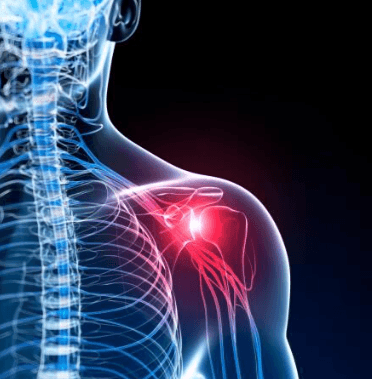
Rotator cuff repair is a surgical procedure to repair a torn tendon in the shoulder. The rotator cuff is a group of muscles and tendons that help move and support the shoulder. When a tendon tears, it can cause shoulder pain and weakness.
Common reasons
An accident like a fall can cause a broken collarbone or a dislocated shoulder that tears your rotator cuff. Bone spurs, decreased blood flow, and repetitive shoulder movements can also cause tears.
When is a procedure or surgery needed
Your healthcare provider may recommend surgery if you have a complete tear or if nonsurgical treatments don’t help with a partial or complete tear.
Procedure Details
Instructions before the procedure
- Do not eat or drink for 6–8 hours before surgery
- Inform your doctor about allergies and medicines
- Arrange help at home
Step-by-step overview (non-technical)
- Anaesthesia is given
- Small cuts are made around the shoulder
- A tiny camera is inserted into the joint
- The torn tendon is cleaned and prepared
- Small anchors are placed into the bone
- Stitches attach the tendon back to the bone
- The cuts are closed with stitches or tape
- The arm is placed in a sling
Type of anaesthesia
- General anaesthesia
Duration
- Around 1–2 hours
Risks & Complications
- Infection, stiffness, bleeding, nerve injury or tendon re-tear may occur
Benefits & Outcomes
Expected results
- Reduced pain, improved movement, better ability to lift and use the arm
How does it improve the quality of life
- Improved sleep without shoulder pain
- Better shoulder stability and movement
During Hospital Stay
Instructions on the day of the procedure
- Wear loose clothing, remove jewellery and nail polish. Arrive early for admission
Post-procedure monitoring

- Blood pressure and oxygen levels are checked
- The surgical site is checked for bleeding or excessive swelling
- Ice packs may be used to reduce swelling
- Pain relief medicines are given
- Your arm will be supported in a sling before discharge
Recovery & Aftercare
Hospital stay
Most patients go home the same day or after 1 night.
Recovery timeline
- Recovery takes several months. Physiotherapy is essential for regaining movement and strength
Activity restrictions
- Avoid heavy lifting and driving
Wound care/precautions
- Keep wounds clean and dry
- Avoid swimming until healed
- Use ice packs for 15–20 minutes
Lifestyle & Prevention
- Avoid repeated overhead strain and continue shoulder exercises after recovery
When to Contact a Doctor
Red flag symptoms
- Fever and numbness
- Increasing redness or discharge
Severe shoulder pain not relieved by medicines
Follow-up schedule
- 1–2 weeks: Wound check
- 6 weeks: Sling and movement assessment
- 3 months: Strength review
- Further visits as advised by your surgeon
Myths and Facts
Rotator cuff tears only happen to athletes or manual workers.
Anyone can develop a rotator cuff tear, including those with desk jobs, due to age-related wear and tear.
If there is no pain, the rotator cuff is fine.
Partial rotator cuff tears can be painless initially and still worsen over time if left untreated.
Rest alone will heal a torn rotator cuff.
Full-thickness tears rarely heal on their own and often require physiotherapy or surgery for recovery.
Rotator cuff surgery always has a long and difficult recovery.
Most patients return to normal activities within 4–6 months with proper physiotherapy.
Rotator cuff surgery needs a large cut.
Most repairs use small keyhole cuts.
FAQs
Will I need physiotherapy after rotator cuff surgery?
Yes. Physiotherapy is essential for regaining shoulder movement and strength after surgery.
How long will I need to wear a sling?
Usually 4–6 weeks, depending on the size of the tear and your surgeon’s advice.
When can I return to work after surgery?
Desk-based workers may return in 2–4 weeks; those with physical jobs may need 3–6 months.
Is rotator cuff surgery done under general anaesthesia?
Yes. General anaesthesia is most commonly used, though some cases may use regional nerve blocks.
Can the tendon tear again?
Yes. Early strain can cause re-tear.
Speak to an orthopaedic specialist
Get an expert opinion and a personalised treatment plan at Sterling Hospitals.