

Osteoarthritis is a common joint condition where the protective cushion (cartilage) between bones gradually wears away. When this happens, bones start rubbing against each other, causing pain and stiffness.
Overview of the Condition
What is osteoarthritis?
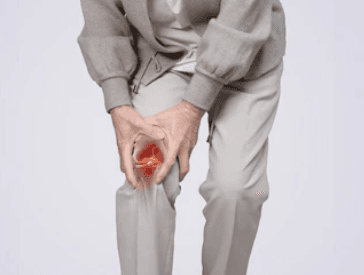
Osteoarthritis is a common joint condition where the protective cushion (cartilage) between bones gradually wears away. When this happens, bones start rubbing against each other, causing pain and stiffness.
Why awareness matters?
- It is the most common type of arthritis worldwide
- Can lead to chronic pain and difficulty in daily activities
- It worsens over time if not managed properly
Who is commonly affected?
- Adults above 45 years
- More common in women
- People with overweight
- Previous joint injuries
Causes – Why Does It Happen?
Main cause
- Gradual wear and tear of cartilage over time
Risk factors (things that increase the risk)
- Ageing – joints naturally wear out
- Excess weight – puts more pressure on joints
- Previous injuries – old fractures or sports injuries
- Repeated joint use – certain jobs or activities
- Family history (genetics)
- Medical conditions like diabetes
Lifestyle contributions
- Lack of exercise → weak muscles → more joint stress
- Obesity → extra load on knees and hips
- Repetitive strain
Signs and Symptoms
Symptoms usually develop slowly and worsen over time.
Common symptoms
- Joint pain (during or after movement)
- Stiffness (especially in the morning or after rest)
- Swelling around joints
- Reduced flexibility (difficulty bending or moving)
- Crackling or grinding sound in joints
Commonly affected areas
- Knees
- Hips
- Hands
- Lower back/spine
Warning signs (see a doctor if):
- Pain does not go away
- Symptoms remain persistent
- Difficulty walking or doing daily tasks
Diagnosis and Investigations
Clinical evaluation (doctor check-up)
- Asking about symptoms and daily difficulties
- Physical examination of joint movement and pain
Tests and investigations
Imaging tests
- X-ray → shows joint space narrowing or bone changes
- Magnetic resonance imaging (MRI) scan → shows cartilage and soft tissue damage
Blood tests
- Usually done to rule out other diseases (like rheumatoid arthritis)
Treatment Options
There is no permanent cure, but symptoms can be controlled effectively.
A. Lifestyle changes (first and most important)
- Regular low-impact exercise (walking, swimming)
- Weight loss to reduce joint pressure
- Joint-friendly habits
B. Medications
- Pain relievers (e.g., paracetamol)
- Anti-inflammatory medicines (to reduce pain and swelling)
- Topical gels or creams
C. Non-surgical management
- Physiotherapy (strengthens muscles around joints)
- Support devices (knee braces, walking stick)
D. Injections (in some cases)
- Steroid injections (reduce inflammation)
- Lubricating injections (for joint cushioning)
E. Surgery (when needed)
- Considered when pain is severe and other treatments failJoint replacement surgery (e.g., knee replacement)
- Joint replacement surgery (e.g., knee replacement)
Myths vs Facts
Osteoarthritis happens only in old age
It is more common with age but can occur earlier
Exercise worsens osteoarthritis
Appropriate exercise actually reduces pain and stiffness
Nothing can be done
Although osteoarthritis cannot be reversed, many treatments can help control symptoms
Pain means permanent damage
Pain can be managed, and disease progression may be slowed
Frequently Asked Questions (FAQs)
Is osteoarthritis the same as arthritis?
No. Osteoarthritis is just one type of arthritis, and it is the most common type.
Can osteoarthritis be cured?
There is no cure yet, but it can be well managed with treatment.
Should I rest or stay active?
Stay active with safe exercises—too much rest can worsen stiffness.
Can diet help?
Yes. Maintaining a healthy weight and balanced diet helps reduce symptoms.
Key Takeaway
Osteoarthritis is a common, long-term joint condition, but with the right lifestyle changes and treatment, most people can live comfortably and stay active.
Speak to an orthopaedic specialist
Get an expert opinion and a personalised treatment plan at Sterling Hospitals.