

A herniated disc, also called a slipped or ruptured disc, occurs when the soft inner part of a spinal disc bulges out through a weak area. Spinal discs act as cushions between the bones of the spine and absorb shock. When a disc presses on nearby nerves,…
Overview
A herniated disc, also called a slipped or ruptured disc, occurs when the soft inner part of a spinal disc bulges out through a weak area. Spinal discs act as cushions between the bones of the spine and absorb shock. When a disc presses on nearby nerves, it can cause pain, numbness or weakness. Herniated discs commonly affect the lower back and neck.
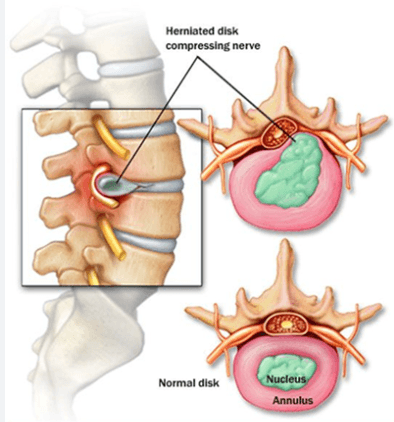
Why is it Important?
A herniated disc can interfere with daily activities, work and sleep. In some cases, severe nerve pressure may lead to weakness or bladder and bowel problems that need urgent treatment. Early diagnosis and treatment can help reduce pain and improve quality of life.
Who is Commonly Affected?
More common in:
- People with physically demanding jobs
- People who sit for long hours
- Smokers
- Overweight individuals
- Those who frequently lift heavy objects
Causes and Risk Factors
The most common cause is age-related wear and tear. As discs age, they lose water content, become less flexible and are more likely to tear.
Other contributing factors include:
- Heavy lifting with poor posture
- Sudden twisting movements
- Repetitive strain on the back
- Obesity
- Genetics
- Lifestyle factors, including smoking and being sedentary
Signs and Symptoms
Symptoms depend on the location of the disc and the nerves affected.
Lower back herniated disc
- Lower back pain
- Pain spreading to the buttock or leg (sciatica)
- Tingling or numbness in the leg or foot
- Muscle weakness
Neck herniated disc
- Neck pain
- Pain spreading to the shoulder or arm
- Tingling or numbness in the hand or arm
Symptoms may worsen with coughing, sneezing, bending or prolonged sitting.
Warning Signs
Seek urgent medical care if there is:
- Loss of bladder or bowel control
- Urine leakage or inability to pass urine
- Severe leg weakness
- Numbness around the inner thighs or genital area
Diagnosis and Investigations
Doctors diagnose a herniated disc using medical history, physical examination and imaging tests.
Common Tests
- X-ray: Helps rule out other spine problems
- CT scan: Used to get images of affected spinal canal and surrounding structures
- MRI scan: Confirms the location of the herniated disc and the nerves affected
- Nerve tests: Assess nerve function in some cases
Blood tests are not usually required unless another condition is suspected.
Treatment Options
Most people improve without surgery within weeks to months.
Medicines
Doctors may prescribe pain relievers, anti-inflammatory medicines, muscle relaxants or medicines for nerve pain.
Lifestyle Changes
- Maintain good posture
- Avoid heavy lifting
- Exercise regularly
- Maintain a healthy weight
- Stop smoking
Physiotherapy and Non-surgical Care
Physiotherapy, stretching exercises and core strengthening help support the spine. Gentle activity is often better than prolonged bed rest. Heat therapy, cold packs or spinal injections may also help.
When is Surgery Needed?
Surgery may be recommended if severe pain persists, muscle weakness worsens or bladder/bowel control is affected.
Myths and Facts
A slipped disc means the disc slips out completely.
The disc usually bulges or tears partially, not completely out.
Everyone with a herniated disc needs surgery.
Most people improve with non-surgical treatment.
Complete bed rest is best.
Gentle movement and exercise are usually more helpful than prolonged rest.
Only older people get herniated discs.
Younger adults can also develop the condition due to poor posture, heavy lifting or inactivity.
Frequently Asked Questions (FAQs)
Can a herniated disc heal naturally?
Yes. Many people improve with time, exercise and proper care.
Is walking good for a herniated disc?
Gentle walking may improve flexibility and recovery.
Can the condition come back?
Yes. Poor posture, smoking or repeated strain may increase recurrence risk.
When should I see a doctor?
Seek medical advice if pain lasts several weeks or is associated with weakness, numbness or urine leakage.
Speak to an orthopaedic specialist
Get an expert opinion and a personalised treatment plan at Sterling Hospitals.