Robotic Surgery Hospital
in Vadodara

At Sterling Hospitals, Vadodara, we aim to provide advanced, patient-first surgical care focused on safety, precision, and timely healing. As part of this commitment, we offer robotic-assisted surgery as a minimally invasive option for complex procedures. Powered by the 4th-generation da Vinci X platform and performed by experienced surgeons, our comprehensive robotic surgical program spans key departments including Urology, Surgical Oncology, Gynaecology, Gastrointestinal Care, and Orthopaedics.

da Vinci X Platform

Experienced Surgeons

5 Surgical Specialities

Minimally Invasive Option

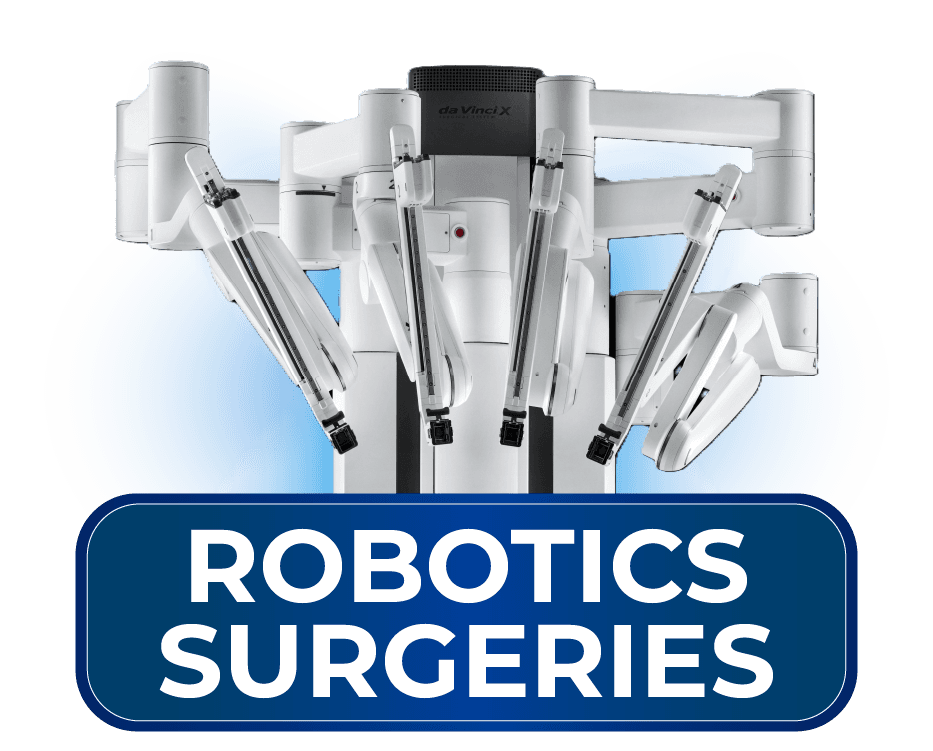
da Vinci X robotic surgery system at Sterling Hospitals, Vadodara

Robotic Surgery Specialities at Sterling Hospitals, Vadodara

At Sterling Hospitals, we utilise advanced robotic technology across a wide range of surgical procedures in multiple specialities. Below are the key surgical disciplines and specific procedures available at our robotic surgery centre:

Robotic Urological Surgery

Robotic technology is used in selected urological procedures involving the prostate, kidneys and urinary bladder. It provides surgeons with enhanced visualisation and instrument flexibility when operating in anatomically complex areas.

Procedures include:

  • Robotic Radical Prostatectomy
  • Robotic Partial Nephrectomy
  • Robotic Radical Nephrectomy
  • Robotic Cystectomy

Robotic Cancer Surgery

Robotic-assisted techniques may be considered for selected cancer surgeries involving organs in the abdomen, pelvis, chest and other anatomical regions. The surgical approach depends on the type of cancer, its location, stage and individual treatment requirements.

Procedures include:

  • Robotic Oesophageal Cancer Surgery
  • Robotic Colorectal Cancer Surgery
  • Robotic Gynaecological Cancer Surgery
  • Robotic Head and Neck Cancer Surgery
  • Robotic Thoracic Cancer Surgery

Robotic Gynaecological Surgery

Robotic-assisted surgery can be used for selected gynaecological conditions that require surgical treatment. It allows surgeons to perform procedures involving the uterus and surrounding structures through a minimally invasive approach.

Procedures include:

  • Robotic Hysterectomy
  • Robotic Myomectomy
  • Robotic Endometriosis Surgery

Robotic Gastrointestinal and General Surgery

Robotic-assisted techniques are used in selected gastrointestinal and general surgical procedures involving the stomach, intestines, pancreas and other abdominal organs. Enhanced visualisation and instrument flexibility can assist surgeons during procedures involving complex anatomical structures.

Procedures include:

  • Robotic Gastrectomy
  • Robotic Colorectal Surgery
  • Robotic Pancreatic Surgery
  • Robotic Bariatric Surgery

Robotic Orthopaedic Surgery

Robotic-assisted technology is also used in selected orthopaedic procedures, particularly joint replacement surgeries. These systems help surgeons plan and perform procedures with technology-assisted assessment of joint anatomy and implant positioning.

Procedures include:

  • Robotic Total Knee Replacement
  • Robotic Partial Knee Replacement
  • Robotic Total Hip Replacement

da Vinci X Surgical System

Advanced Robotic Technology at Sterling Hospitals

The robotic surgical platform used during an operation plays an important role in supporting the surgeon's movements and visualisation. Sterling Hospitals uses the da Vinci X Surgical System for selected procedures across urology, gynaecology, gastrointestinal surgery and cancer surgery.

The system combines specialised instruments, a surgeon-controlled console and an imaging platform to assist with minimally invasive surgical procedures.

01

Magnified 3D High-Definition Visualisation

The system provides a magnified 3D view of the surgical area. This helps surgeons observe anatomical structures in greater detail and assess the area being operated on.

02

Wristed Robotic Instruments

The robotic instruments can bend and rotate through a wide range of movement. This flexibility allows surgeons to perform delicate surgical steps in confined anatomical spaces.

da Vinci X Surgical System at Sterling Hospitals

da Vinci X Surgical System

The da Vinci X is designed to support surgeons during complex minimally invasive procedures. It translates the surgeon's hand movements into corresponding movements of robotic instruments, allowing controlled manipulation during surgery.

03

Tremor Filtration and Instrument Control

The system translates the surgeon's movements into instrument movements while filtering natural hand tremors. This supports controlled handling of instruments during selected surgical procedures.

04

Firefly Fluorescence Imaging

Firefly imaging uses fluorescence technology to provide additional visual information about structures such as blood vessels and tissue perfusion during selected procedures. This can assist surgeons in assessing blood flow and tissue characteristics during an operation.

Robotic Surgery vs Conventional Laparoscopic Surgery

No.
Conventional Laparoscopic Surgery
Robotic Surgery
1
Uses long, rigid instruments with limited range of movement
Uses wristed robotic instruments that mimic the natural movement of the human hand
2
Surgeon views the surgical area on a standard 2D screen
Surgeon operates using a magnified high-definition 3D view
3
Limited dexterity in confined anatomical spaces
Enhanced flexibility and control in deep or narrow areas of the body
4
Complex suturing and reconstruction can be technically challenging
Greater precision for delicate suturing and reconstruction
5
Instrument movements depend directly on the surgeon's hand movements
Filters hand tremors and enhances movement precision
6
Suitable for many minimally invasive procedures
Particularly beneficial for complex procedures requiring meticulous precision

Key Advantages of Robotic Surgery

  1. 1

    Enhanced Precision - Robotic instruments provide greater dexterity and range of motion for intricate movements.

  2. 2

    Superior 3D Visualization - A magnified, high-definition 3D view helps identify nerves, blood vessels, and delicate structures.

  3. 3

    Better Access to Difficult Areas - Surgeons can work effectively in confined spaces like pelvis, deep abdomen, chest cavity, and around vital organs.

  4. 4

    Improved Nerve and Functional Preservation - Precision may help protect important nerves and surrounding tissues in selected procedures.

  5. 5

    Advanced Reconstruction Capability - Complex suturing and reconstruction can be performed with greater ease and precision.

  6. 6

    Potential for Less Pain and Faster Recovery - Enhanced precision may reduce tissue trauma and support a smoother recovery.

Patient Journey

Your Care Journey: From Consultation to Recovery

Robotic surgery involves several stages of care, beginning with an assessment of the patient's condition and continuing through postoperative recovery. At Sterling Hospitals, the clinical team evaluates individual treatment requirements to determine the appropriate surgical approach and provide support throughout the process.

Surgeon consulting with a patient
  1. 1

    Step 01

    Preoperative Assessment

    The first step involves a consultation with the relevant specialist. The doctor reviews the patient's medical history, symptoms, diagnostic reports and overall health. Additional investigations may be recommended to assess surgical suitability and identify any factors that could affect the procedure.

  2. 2

    Step 02

    Personalised Treatment Planning

    After evaluating the patient's condition, the surgical team discusses the available treatment options. This includes assessing whether robotic-assisted surgery is suitable or whether conventional or laparoscopic surgery would be more appropriate.

    The proposed surgical approach is based on the diagnosis, anatomical considerations, medical fitness and expected treatment requirements.

  3. 3

    Step 03

    Surgical Procedure

    If robotic surgery is selected, the procedure is performed by the surgeon using the appropriate robotic surgical system. The surgeon controls the robotic instruments throughout the operation, while the anaesthesia team and operating-room staff provide the necessary clinical support.

  4. 4

    Step 04

    Postoperative Monitoring and Recovery

    After surgery, the patient is monitored by the clinical team. The duration of hospitalisation and recovery requirements depend on the procedure, the patient's health and the postoperative course. Pain management, wound care, mobility guidance and other supportive measures are provided as required.

  5. 5

    Step 05

    Follow-Up and Rehabilitation

    Follow-up consultations help the surgical team assess recovery and address any concerns. Some patients may also require physiotherapy, rehabilitation or additional supportive care depending on the procedure performed.

Robotic Surgery Cost in Vadodara

The cost of robotic surgery in Vadodara varies according to the procedure, its complexity and the resources required during treatment. The type of robotic system, surgical team, duration of hospitalisation, diagnostic investigations, medicines and postoperative care may also contribute to the overall expense.

At Sterling Hospitals, the estimated treatment cost can be discussed with the hospital's care team based on the proposed procedure and individual clinical requirements.

Factors That Influence Robotic Surgery Cost

No.
Factors That Influence Robotic Surgery Cost
How It Affects the Cost
1
Type of Surgical Procedure
Different robotic procedures involve varying levels of surgical complexity, equipment and clinical resources.
2
Complexity of the Condition
The nature of the condition, anatomical considerations and any associated medical concerns may influence the surgical plan and overall treatment requirements.
3
Robotic Surgical Technology
The robotic platform and specialised instruments used during the procedure may contribute to the total cost.
4
Surgeon's Fees and Anaesthesia
The professional fees of the surgical and anaesthesia teams form part of the treatment expenses.
5
Duration of Hospitalisation
The number of days spent in the hospital depends on the procedure and the patient's recovery.
6
Medicines and Consumables
Surgical supplies, medicines and other consumables required during treatment may contribute to the overall expense.
7
Diagnostic Investigations and Follow-Up
Preoperative tests, postoperative investigations and follow-up consultations may also affect the total treatment cost.

Does Health Insurance Cover Robotic Surgery?

Coverage for robotic surgery depends on the health insurance policy, the procedure being performed, applicable exclusions and the insurer's terms and conditions. Some policies may include specific provisions or limits for robotic-assisted procedures.

Patients should check their policy documents and confirm the applicable coverage and pre-authorisation requirements with their insurer before undergoing surgery.

Book robotic surgery consultation

Take the Next Step Towards Advanced Surgical Care

Book a consultation with our robotic surgery experts and explore advanced minimally invasive treatment options.

Book an Appointment

Expert Robotic Surgeons

Advanced Technology

Minimally Invasive Approach

Personalised Care

Better Outcomes Faster Recovery

Why Choose Sterling Hospitals, Vadodara for Robotic Surgery

Surgical outcomes depend on more than just advanced equipment, they rely on the medical ecosystem supporting the procedure. At Sterling Hospitals, we combine specialised surgical expertise, advanced infrastructure and personalised clinical care to support every patient throughout their surgical journey. Here is why you may consider Sterling Hospitals for robotic surgery.

Fourth-Generation Surgical Systems

Our operating suites are equipped with the da Vinci X platform, allowing our surgical teams to utilise 3D high-definition visualisation, tremor-filtered hand movements and wristed instrumentation during intricate procedures.

Fellowship-Trained Surgical Specialists

Procedures are led by senior consultants with extensive experience in minimally invasive and robotic-assisted techniques across urology, surgical oncology, gynaecology, GI and orthopaedics.

Multidisciplinary Clinical Support

Every patient benefits from a collaborative approach. Our surgeons work alongside dedicated anaesthetists, critical care specialists and nursing teams to design treatment plans tailored to individual health needs.

Integrated Hospital Infrastructure

Our dedicated robotic operating theatres are backed by advanced diagnostic units, round-the-clock intensive care (ICU) support and modern step-down wards to manage complex medical needs.

End-to-End Surgical Journey

From thorough pre-operative assessments to structured post-operative rehabilitation, our care teams focus on patient safety, pain management and supporting a smooth transition back to daily life.

Robotic Surgery Doctors

Robotic Surgery Specialists at Sterling Hospitals, Vadodara

Dr. Nitin Singhal
Robotic Surgery

Dr. Nitin Singhal

Senior Consultant & Lead Robotic Surgical Oncology

Sterling Hospitals, Gurukul, Ahmedabad | Sterling Hospitals, Sindhu Bhavan, Ahmedabad, Sterling Hospitals, Bhayli, Vadodara
View Profile
Dr. Sagar Joshi
Robotic Surgery

Dr. Sagar Joshi

Consultant- Robotic, Laparoscopic, Transplant Surgeon & Urologist

Sterling Hospitals, Race Course Road | Sterling Hospitals, Bhayli, Vadodara
View Profile
View All Robotic Surgery Doctors

Expert Talks

Watch expert talks, patient stories, and featured videos for this speciality.

Sterling Hospitals: Bladder Cancer Awareness by Dr Aditya Parikh

Watch on YouTube ↗

Global Pediatric Oncology Success: Journey from Tanzania to Healing at Sterling Hospitals

Watch on YouTube ↗

Complex Tumor Surgery Saves Young Cassian’s Life

Watch on YouTube ↗

A Journey to Recovery with Robotic Surgery at Sterling Hospitals

Watch on YouTube ↗

Miracles of Healing Mouth Cancer with Compassionate Care

Watch on YouTube ↗

Transformative Prostate Care with Robotic Surgery

Watch on YouTube ↗

Global Care: An Sithant's Scarless Surgery Success

Watch on YouTube ↗

Healing from Colorectal Cancer with robotic Precision

Watch on YouTube ↗

A Story of Courage: Beating Esophagus (Foodpipe) Cancer with Robotic Precision at Sterling Hospitals

Watch on YouTube ↗

Patient Testimonial of Dr. Md. Toufiqur Rahman from Bangladesh Treated under Dr. Nitin Singhal.

Watch on YouTube ↗

Patient Testimonial | 3 yrs old Baby | Sterling Hospitals

Watch on YouTube ↗

Patient Testimonial | Mrs Chinappa | Sterling Hospitals

Watch on YouTube ↗

Myths and Facts of Cancer with Dr. Nitin Singhal

Watch on YouTube ↗

Cervical Health Awareness | Take Charge of Your Well-being | Sterling Hospitals

Watch on YouTube ↗

Patient Testimonial | Nayankumar Raval | Sterling Hospitals Gurukul

Watch on YouTube ↗

Best Cancer Treatment Doctors in Sindhu Bhavan | Mr. Pankaj Shah | Testimonial

Watch on YouTube ↗

A prostate cancer patient treated at Sterling Hospital shares his experience

Watch on YouTube ↗

Get Back To Life Faster With Sterling Robotic Surgeries

Watch on YouTube ↗

Robotic Surgery Saved This 71-Year-Old's Life

Watch on YouTube ↗

She Couldn’t Walk 50 Meters… Until This Treatment

Watch on YouTube ↗

Sterling Robotic Surgeries: Advanced Care You Can Trust

Watch on YouTube ↗

Advanced Robotic Surgery for Urological Cancer | Sterling Hospitals

Watch on YouTube ↗

Advantages of Robotic Liver Cancer Surgery | Sterling Hospitals

Watch on YouTube ↗

Robotic Surgery for Gynaecological Cancer Explained | Sterling Hospitals

Watch on YouTube ↗

How Robotic Surgery Treats Head and Neck Cancer | Sterling Hospitals

Watch on YouTube ↗

Advanced Robotic Surgery for Gastrointestinal Cancer | Sterling Hospitals

Watch on YouTube ↗

Experience Advanced Robotic Surgery at Sterling Hospitals

Watch on YouTube ↗

How Robotic-Assisted Surgery Supports Breast Cancer Care | Sterling Hospitals

Watch on YouTube ↗

Stay Tuned for the Next Leap in Surgical Care

Watch on YouTube ↗

24 Years of Progress. Our Next Leap Begins.

Watch on YouTube ↗

FAQs

Frequently Asked Questions

Answers to common questions about robotic surgery at Sterling Hospitals, Vadodara.

Why consider Sterling Hospitals for robotic surgery in Vadodara?

Sterling Hospitals offers robotic-assisted surgical procedures across multiple specialities, supported by the da Vinci X Surgical System for selected procedures. Patients also have access to specialist surgeons, diagnostic facilities and clinical support before and after surgery. The appropriate surgical approach is determined after evaluating the patient's condition and treatment requirements.

What types of robotic surgeries are available at Sterling Hospitals, Vadodara?

Robotic-assisted procedures are available across specialities such as urology, gynaecology, gastrointestinal surgery, cancer surgery and orthopaedics. These include procedures such as robotic prostatectomy, hysterectomy, myomectomy, colorectal surgery, bariatric surgery and robotic joint replacement. Availability and suitability depend on the specific procedure and clinical assessment.

Which robotic surgical system is available at Sterling Hospitals?

Sterling Hospitals uses the da Vinci X Surgical System for selected robotic-assisted procedures in urology, gynaecology, gastrointestinal surgery and cancer surgery. Orthopaedic robotic procedures may use separate robotic platforms depending on the type of joint replacement.

How can I consult a robotic surgeon at Sterling Hospitals, Vadodara?

Patients can book a consultation with a specialist based on their medical condition and the procedure being considered. During the consultation, the surgeon reviews the medical history, diagnostic reports and treatment requirements to determine whether robotic-assisted surgery is an appropriate option.

Is robotic surgery suitable for every patient?

No. The suitability of robotic surgery depends on several factors, including the condition being treated, the complexity of the procedure, the patient's overall health and the surgeon's assessment. Some procedures may be better suited to conventional or laparoscopic surgery. The treating specialist recommends the appropriate approach after evaluating the individual case.

How long does a patient need to stay in the hospital after robotic surgery?

The length of hospitalisation depends on the type of surgery, its complexity and the patient's recovery. Some procedures may require a shorter hospital stay, while more complex operations may involve additional monitoring. The treating surgeon can provide an estimated hospital stay based on the planned procedure.

Does Sterling Hospitals offer second opinion consultations before robotic surgery?

Yes. Patients can consult relevant specialists at Sterling Hospitals to review their diagnosis, medical reports and proposed treatment plan. The specialist can explain the suitability of robotic surgery and discuss other available treatment approaches before a decision is made.

Does Sterling Hospitals accept health insurance for robotic surgery?

Insurance coverage depends on the patient's policy, the procedure being performed and the applicable terms, exclusions and limits. Patients should confirm the coverage and pre-authorisation requirements with their insurance provider and the hospital before proceeding with treatment.

What support is available for international patients seeking robotic surgery?

Sterling Hospitals provides international patient support, including medical coordination, visa assistance, airport transfers, accommodation arrangements and interpreter services. Post-treatment follow-up and teleconsultations are also available.

How can I inquire about robotic surgery costs at Sterling Hospitals, Vadodara?

Patients can contact the hospital's care team to enquire about the estimated cost of a specific robotic procedure. The estimate depends on the type of surgery, its complexity, the robotic system used, hospitalisation requirements and other treatment-related expenses.

Robotics Surgeries
Doctors
Book Appt
Health Checks
Call Us