

Where is the pancreas located and what is pancreatic cancer?
Overview
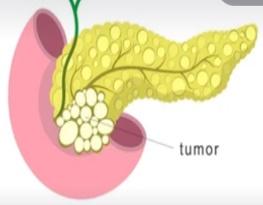
Where is the pancreas located and what is pancreatic cancer?
- Pancreas is an organ located in the upper part of the belly (abdomen)
- It helps digest food and produces hormones such as insulin, which help control blood sugar levels
- Pancreatic cancer occurs when abnormal cells grow uncontrollably in the pancreas
What are the symptoms of pancreatic cancer?
Symptoms may vary from person to person and sometimes may not appear in the early stages.
Common symptoms may include:
- Yellowing of the skin or eyes (jaundice)
- Pain in the upper belly (abdomen) or back
- Unexplained weight loss
- Loss of appetite
- Nausea or vomiting
- Tiredness or weakness
- Pale stools or dark urine
It is important to speak to your doctor if symptoms are persistent or unusual.
Who is commonly affected?
Some factors may increase the risk of pancreatic cancer:
- Increasing age (over 65 years)
- Smoking
- Excessive weight (obesity)
- Diabetes
- Chronic pancreatitis (ongoing swelling and damage of the pancreas)
- Family history of pancreatic cancer
How common is pancreatic cancer in India?
In India, approximately 10,000 new cases of pancreatic cancer are reported annually.The incidence is expected to rise further due to ageing, diabetes, obesity and lifestyle-related risk factors.
What are the treatment options?
Treatment depends on the stage of cancer, overall health and whether the tumour can be removed safely.
Treatment may include either one or a combination of treatments:
- Surgery: To remove a part of the pancreas or the entire organ
- Chemotherapy: Using medicines to kill cancer cells
- Radiation therapy: Using high-energy rays of radiation to kill cancer cells
- Supportive care: To help manage the symptoms and improve comfort and quality of life during treatment
Whipple procedure (Pancreatoduodenectomy)
What is whipple procedure?
Pancreatoduodenectomy, commonly known as the whipple procedure is a major surgery commonly performed to treat pancreatic cancer and certain cancers affecting nearby digestive organs. The surgery may take 5-8 hours.
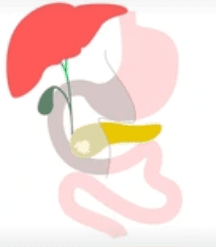
During the surgery, the doctor may remove:
- The affected part of the pancreas
- A small part of the small intestine (duodenum)
- Gallbladder (a small organ that stores digestive fluid called bile)
- Part of the tube (bile duct) that carries bile (digestive fluid)
- Sometimes a small part of the stomach
The remaining organs are then reconnected so food can be digested normally.
Why is it done?
Whipple procedure may help:
- Remove the cancer
- Relieve blockage of the bile duct or intestine
- Reduce symptoms such as jaundice and pain
- Improve quality of life
- Improve survival in selected patients
Surgical approaches
Whipple procedure may be performed in different ways:
- Open surgery: A larger cut is made in the tummy to perform the surgery. This is the most common approach
- Laparoscopic surgery (keyhole surgery): The surgeon makes a few small cuts in the tummy and uses special instruments and a camera to perform the surgery
- Robotic surgery: The surgeon uses robotic instruments to perform the surgery through small cuts with greater precision and control
Your surgeon will decide the most suitable approach based on your condition.
Before surgery
Before surgery, you may need:
- Blood tests
- Computed tomography (CT) or magnetic resonance imaging (MRI) scans to look at the pancreas in detail
- Heart tests such as an Electrocardiogram (ECG) to check heart health
- Nutritional assessment to check your diet and overall strength
- Review of your regular medicines
- Fasting (not eating or drinking for a few hours) before surgery
Important instructions
- Stop smoking if possible
- Inform your doctor about medicines you take
- Follow fasting instructions carefully
- Arrange support at home after discharge
Possible risks and complications
Whipple procedure is a major surgery and, like all major operations, it may have some risks and complications. These may include:
- Bleeding
- Infection inside the body or around the surgical wound
- Slow stomach emptying, which may make eating difficult for some time
- Leakage from the areas where the organs are reconnected
- Diabetes, which may be temporary or long-term after surgery
After surgery
Hospital stay
- After the whipple procedure, most patients stay in the hospital for about 1–2 weeks, depending on recovery
- Doctors and nurses will monitor you closely for signs of infection or other complications
- Some patients may spend a few days in the Intensive Care Unit (ICU) after surgery
Eating and movement
As your digestive system recovers:
- You may start with clear liquids first
- Foods are added slowly to your diet
- You will be encouraged to get up and walk soon after surgery
Recovery after discharge
After leaving the hospital:
- Most patients recover at home
- Follow-up visits will be arranged to monitor recovery
- Most people gradually return to normal activities within 4–6 weeks, although recovery time may vary from person to person
Follow-up care
Regular follow-up visits are important after treatment.
These visits may include:
- Physical examination
- Blood tests
- Imaging scans
- Nutritional assessment
- Discussion of symptoms or side effects

Myths and facts
Myth 1: Pancreatic cancer always shows symptoms in the early stages. Fact: Symptoms of pancreatic cancer may not appear in the early stages and can vary from person to person. Common symptoms may include jaundice, abdominal pain, unexplained weight loss and loss of appetite.
Myth 2: Whipple procedure removes the entire pancreas. Fact: Whipple procedure usually removes the affected part of the pancreas along with nearby organs such as the part of the small intestine, gallbladder and part of the bile duct. In some cases, a small part of the stomach may also be removed.
Myth 3: Whipple surgery is only performed using open surgery. Fact: Whipple procedure can be performed using open surgery, laparoscopic (keyhole) surgery or robotic-assisted surgery, depending on the patient’s condition and the surgeon’s recommendation.
Myth 4: Recovery after a whipple procedure happens immediately after discharge. Fact: Recovery takes time. Most patients stay in the hospital for 1–2 weeks and gradually return to normal activities within 4–6 weeks after discharge, although recovery time may vary.
Myth 5: After surgery, follow-up visits are not necessary if the patient feels well. Fact: Regular follow-up visits are important after treatment and may include physical examinations, blood tests, imaging scans and nutritional assessments.

FAQs
What is a whipple procedure?
A Whipple procedure, also known as pancreatoduodenectomy, is a major surgery commonly performed to treat pancreatic cancer and certain cancers affecting nearby digestive organs.
How long does the whipple procedure take?
The surgery may take approximately 5–8 hours depending on the complexity of the case.
What are the possible risks of the Whipple procedure?
Possible risks and complications may include bleeding, infection, leakage from reconnection sites, slow stomach emptying and diabetes after surgery.
How long does recovery take after surgery?
Most patients gradually return to normal activities within 4–6 weeks after discharge, although recovery time may vary from person to person.
Why are follow-up visits important after treatment?
Follow-up visits help doctors monitor recovery, manage side effects and assess overall health after treatment through physical examinations, blood tests and imaging scans.
Speak to a cancer care specialist
Get an expert opinion and a personalised treatment plan at Sterling Hospitals.

