

What are the advantages of laparoscopic surgery for colorectal and gynaecological cancer?
Overview
What is laparoscopic cancer surgery?
- Laparoscopic cancer surgery is a type of minimally invasive or “keyhole” surgery used to treat certain cancers of the intestine (colorectal cancer), reproductive (gynaecological) organs and other health conditions
- The surgeon performs the operation through small cuts using a thin camera called a laparoscope and specialised surgical instruments
What are the advantages of laparoscopic surgery for colorectal and gynaecological cancer?
Compared with open surgery, laparoscopic surgery may offer:
- Smaller scars
- Less pain after surgery
- Reduced blood loss
- Shorter hospital stay
- Faster recovery
Colorectal cancer
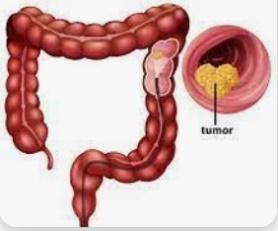
What is colorectal cancer?
The colon and rectum make up the large intestine (or large bowel), which is part of the digestive system. Colorectal cancer starts in the colon or rectum when cells grow abnormally and form a lump (tumour).
Symptoms of colorectal cancer
- Blood in stool (Red, dark brown or black stool)
- Constipation or diarrhoea
- Stomach pain or bloating
- Sudden weight loss
- Weakness or tiredness
Gynaecological cancer
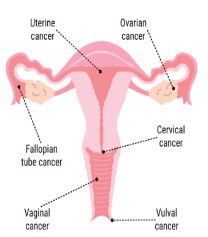
What is gynaecological cancer?
- Gynaecological cancer occurs when abnormal cells grow uncontrollably in a woman’s reproductive organs
- Gynaecological cancers can affect the uterus (womb), ovaries (located on either side of the womb) or cervix (lower part of the womb)
Common symptoms of gynaecological cancer
Symptoms may include:
- Unusual vaginal bleeding
- Pelvic pain or pressure
- Bloating
- Changes in bladder or bowel habits
Treatment of colorectal and gynaecological cancer
Treatment depends on the type of cancer and how far it has spread. Some patients may need more than one type of treatment.
Common treatment options include:
- Surgery: Removal of the cancer through an operation. Surgery is often the main treatment for localised bowel cancer.
- Chemotherapy: Medicines used to destroy or shrink cancer cells. These may be given as tablets or through a drip into the vein
- Radiation therapy: Use of high-energy rays to destroy cancer cells
Laparoscopic colectomy
What is a laparoscopic colectomy?
A laparoscopic colectomy is a keyhole operation used to remove part of the colon (large intestine) affected by cancer
Instructions before the procedure
- BP, pulse and temperature will be checked
- Doctor will review your medicines
- Inform about allergies
- You will be asked to fast before surgery
- Bowel preparation may be advised
Step-by-step overview
- You will be given anaesthesia (put to sleep)
- Small cuts are made in your belly
- Air is pumped into your tummy through the cut so the surgeon can see inside your tummy more easily
- A long tube with a light and camera (laparoscope) through one of the cuts so video images of the inside of your tummy can be shown on a screen
- Surgical instruments are put into the other holes and are used to remove the cancer
- Bowel (colon) is joined back together or a stool bag is created (if needed)
- Air is let out of the tummy and the cuts are then closed
Duration
The surgery usually takes about 3–6 hours
After the procedure
- Your pain, vital signs and bowel function will be monitored
- Early walking is encouraged
- Temporary tubes/drains may be used
Common problems post-laparoscopic colectomy
- Leak where the bowel ends are joined
- Leakage of stool from the bag
- Slow working of the bowel
Hospital stay and discharge post-surgery
- Most patients stay in the hospital for a few days (1-3 days)
- Recovery is usually faster with laparoscopic surgery
- You may be able to go home earlier than with open surgery
- Walking and light activity often start within 1–2 days
- Discharge depends on bowel movement, pain control and overall recovery
Laparoscopic hysterectomy
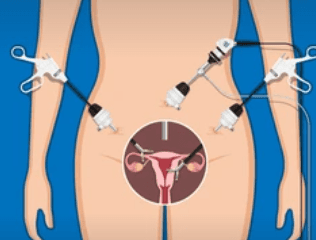
What is a laparoscopic hysterectomy?
Laparoscopic hysterectomy is a minimally invasive operation used to remove the uterus through small cuts in the abdomen. The womb may also removed through a cut in the vagina. Depending on the cancer type, the cervix, ovaries or nearby tissues may also be removed.
What are the two types of laparoscopic hysterectomies and how are they performed?
Vaginal laparoscopic hysterectomy
- You will be given anaesthesia (put to sleep)
- A laparoscope (thin tube with a camera) is inserted through the vagina to help the surgeon view the pelvic organs clearly
- The uterus is removed through the vagina
- No abdominal cuts are required
- Many patients go home the same day
- Recovery is usually quicker and less painful compared with abdominal hysterectomy
Abdominal laparoscopic hysterectomy
- You will be given anaesthesia (put to sleep)
- A laparoscope is inserted through a small cut near the belly button
- Additional small cuts are made in the abdomen for surgical instruments
- The uterus is removed through the small abdominal cuts or through the vagina
- Patients may go home the same day or after one night in hospital
- Recovery is generally faster and less painful than open abdominal hysterectomy
Duration
- The surgery usually takes about 1-3 hours
Hospital stay post-surgery
After surgery, patients usually stay in a recovery room for 1–2 hours. Many people go home the same day, while some may need to stay in hospital overnight or may be discharged after 1-4 days.
Recovery
Recovery post laparoscopic surgery may take about two to four weeks
During recovery:
- Rest well
- Avoid heavy lifting
- Follow your doctor’s advice
- Attend follow-up visits
Surgical menopause
- If the ovaries are removed during surgery, menopause may happen immediately. This is called surgical menopause
- Symptoms may include hot flushes, mood changes and night sweats. Your doctor may discuss treatment options if needed
Common problems after laparoscopic hysterectomy
- Vaginal bleeding or discharge for several weeks
- Soreness or irritation around the incision sites
- Difficulty passing urine or bowel movements for a short period after surgery
- Fatigue and tiredness during recovery
- Most side effects improve gradually as the body heals

Myths and facts
Myth 1: Laparoscopic cancer surgery is less effective than open surgery. Fact: Laparoscopic surgery is an established treatment option for colorectal and gynaecological cancers and may offer benefits such as smaller scars, less pain, reduced blood loss, shorter hospital stay and faster recovery compared with open surgery.
Myth 2: Laparoscopic surgery always requires a large abdominal cut. Fact: Laparoscopic surgery is a minimally invasive or “keyhole” procedure performed through small cuts using a laparoscope and specialised instruments.
Myth 3: Recovery after laparoscopic surgery takes a very long time. Fact: Recovery is usually faster with laparoscopic surgery. Many patients begin walking within 1–2 days after colectomy, and recovery after laparoscopic hysterectomy may take about 2–4 weeks.
Myth 4: Patients must stay in hospital for a long time after laparoscopic hysterectomy. Fact: Many patients go home the same day or after one night in hospital following laparoscopic hysterectomy, depending on recovery.
Myth 5: Laparoscopic surgery causes severe pain after the procedure. Fact: Compared with open surgery, laparoscopic surgery usually causes less pain and quicker recovery, although mild soreness or fatigue may occur temporarily during healing.

FAQs
What is laparoscopic cancer surgery?
Laparoscopic cancer surgery is a minimally invasive or “keyhole” surgery performed through small cuts using a thin camera called a laparoscope and specialised surgical instruments to treat certain cancers, including colorectal and gynaecological cancers.
What are the benefits of laparoscopic surgery?
Compared with open surgery, laparoscopic surgery may offer smaller scars, less pain, reduced blood loss, shorter hospital stay and faster recovery.
How long does laparoscopic colectomy take?
A laparoscopic colectomy usually takes about 3–6 hours depending on the complexity of the surgery and the patient’s condition.
How long is recovery after laparoscopic hysterectomy?
Recovery after laparoscopic hysterectomy may take about two to four weeks. Patients are advised to rest well, avoid heavy lifting and attend follow-up visits during recovery.
What are common symptoms of colorectal and gynaecological cancers?
Symptoms of colorectal cancer may include blood in stool, constipation or diarrhoea, stomach pain, bloating, sudden weight loss and tiredness. Gynaecological cancer symptoms may include unusual vaginal bleeding, pelvic pain, bloating and changes in bladder or bowel habits.
Speak to a cancer care specialist
Get an expert opinion and a personalised treatment plan at Sterling Hospitals.

