

Arthroscopy is a minimally invasive (‘keyhole’) procedure used to examine and treat problems inside a joint using a tiny camera and small surgical instruments. It is commonly performed on the knee and shoulder.
Overview of the procedure
Arthroscopy is a minimally invasive (‘keyhole’) procedure used to examine and treat problems inside a joint using a tiny camera and small surgical instruments. It is commonly performed on the knee and shoulder.
Common reasons for knee arthroscopy
Some of the most common conditions knee arthroscopy treatments include:
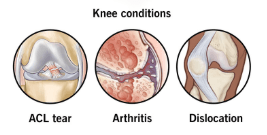
- Knee ligament tears
- Meniscus tears
- Patellar dislocation or instability
- Knee arthritis (especially rheumatoid arthritis)
When is a procedure or surgery needed
Surgery may be required for complex or unstable fractures, severe injuries or dislocations.
Procedure Details
Instructions before the procedure
- Do not eat or drink for 6–8 hours before surgery
- Inform your doctor about allergies and medicines
Step-by-step overview (non-technical)
- Anaesthesia is given
- Small cuts are made around the joint
- A tiny camera is inserted
- The surgeon repairs or removes damaged tissue
- The cuts are closed with stitches or tape
Type of anaesthesia
- General anaesthesia
- Regional anaesthesia (only a particular area is numbed).
Duration
Usually 30 minutes to 1.5 hours.
Risks & Complications
- Pain, swelling, stiffness, infection
- Rare: blood clots, nerve/vessel injury
- Higher risk with smoking, obesity, diabetes and other conditions
Benefits & Outcomes
Expected results
- Reduced pain, improved movement and faster recovery
How does it improve the quality of life
- Faster recovery
- Smaller scars
- Better joint function
During Hospital Stay
Instructions on the day of the procedure
- Wear loose clothing
- Remove jewellery and nail polish
- Arrive early for admission
Post-procedure monitoring
- Blood pressure and oxygen levels are checked
- The surgical site is checked for bleeding or excessive swelling
- Ice packs may be used to reduce swelling
Recovery & Aftercare
Hospital stay
Usually, a day-care procedure.
Recovery timeline
- First 2 weeks: rest and gentle movement
- 3–6 weeks: physiotherapy
- 3–6 months: return to routine physical activity, depending on recovery
Activity restrictions
- Avoid heavy lifting and driving
Wound care/precautions
- Keep wounds clean and dry
- Avoid swimming until healed
- Change dressings as advised
Lifestyle & Prevention
- Eat protein-rich foods, stay hydrated and maintain a healthy weight
- Follow physiotherapy exercises and stay active
Preventing recurrence
Warm up before exercise and avoid sudden strain.
When to Contact a Doctor
Red flag symptoms
- Fever and numbness
- Increasing redness or discharge
- Severe swelling or pain
Follow-up schedule
Usually, 1–2 weeks after surgery, then as advised.
Myths and Facts
If you can move it, it is not broken.
Some fractures still allow limited movement.
Minor cuts do not need medical attention.
Deep or contaminated wounds may require treatment or tetanus protection.
Surgery is always necessary after trauma.
Many injuries heal with non-surgical treatment.
Arthroscopy is a major surgery
It uses very small cuts, and recovery is often quicker.
You must stay in the hospital for many days
Most patients go home the same day
FAQs
When should I seek emergency care after an injury?
Seek urgent care for severe pain, heavy bleeding, breathing difficulty, numbness, weakness or visible deformity.
Will I need imaging tests?
X-rays, MRI or CT scans may be needed depending on the injury.
When can I return to normal activities?
Recovery depends on injury severity and the progress of rehabilitation.
Can physiotherapy help after trauma?
Yes. Physiotherapy improves strength, flexibility and recovery.
Will I feel pain during surgery?
No, anaesthesia prevents pain during the procedure.
Is physiotherapy important?
Yes, it is essential for recovery.
Speak to an orthopaedic specialist
Get an expert opinion and a personalised treatment plan at Sterling Hospitals.


