

Ankylosing spondylitis (AS) is a long-term condition that causes inflammation of the spine. It is also known as ‘axial Spondyloarthritis’ (axSpA). Over time, this inflammation can cause the spinal bones to fuse, leading to stiffness and, in some cases, a…
📋 Overview
What is ankylosing spondylitis?
Ankylosing spondylitis (AS) is a long-term condition that causes inflammation of the spine. It is also known as ‘axial Spondyloarthritis’ (axSpA). Over time, this inflammation can cause the spinal bones to fuse, leading to stiffness and, in some cases, a hunched posture.
Why is it important?
Without treatment, AS can lead to:
- Progressive spinal stiffness and loss of flexibility
- Fusion of spinal bones and poor posture
- Difficulty expanding the chest while breathing
- Inflammation affecting the eyes and other joints
Early diagnosis and treatment can reduce pain, maintain flexibility and prevent long-term complications.
Who is commonly affected?
- Usually starts before age 40, often in the 20s–30s
- More common in men
- Affects about 0.2%–0.5% of people
- Often runs in families due to genetic factors
⚡Causes—Why It Happens
Underlying causes and risk factors
The exact cause of AS is not fully understood. Both genes and environmental factors may play a role. Key risk factors include:
- Presence of the human leukocyte antigen B27 (HLA-B27) gene (though not everyone with this gene develops AS)
- Family history of AS
- Younger age
- Conditions such as psoriasis or inflammatory bowel disease
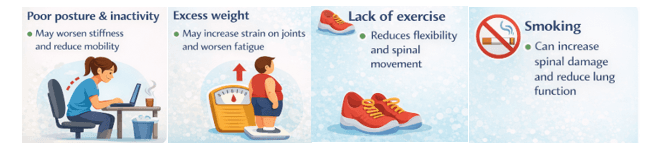
Lifestyle contributors
Lifestyle habits may worsen AS symptoms and affect mobility.
🔍 Signs & Symptoms
Common symptoms
| 🩺 Area | Symptoms |
|---|---|
| 🦴 Spine and hip | Lower back pain and morning stiffness that improve with movement |
| 🦵 Joints | Pain and stiffness in the hips, shoulders and other joints |
| 🦶 Tendons | Heel pain due to tendon inflammation |
| 💨 Chest | Pain or tightness while taking deep breaths |
| 👁️ Eyes | Red, painful eyes with blurred vision and light sensitivity |
| 😴 General | Fatigue and reduced energy levels |
🚩 Warning Signs
Seek medical review if:
- Back pain starts before 45 years of age
- Symptoms persist for more than 3 months
- Morning stiffness lasts more than 30 minutes
- Pain or stiffness improves with movement but returns after rest
🏥 Diagnosis & Investigations
Clinical evaluation
The diagnosis is based on the combination of medical history, physical examination, imaging and blood tests. A healthcare professional will assess:
- The pattern and duration of back pain
- Morning stiffness and whether it improves with movement
- Family history of AS or related inflammatory conditions
- Associated symptoms such as eye problems or heel pain
🧪 Tests
Investigations may include:
- Blood tests such as erythrocyte sedimentation rate (ESR) and C-reactive protein (CRP) to check for inflammation
- HLA-B27 genetic test
- X-rays of the spine and sacroiliac joints
- Magnetic resonance imaging (MRI) scans to detect early inflammation
What patients should expect Patients may require repeated examinations and imaging because early AS changes may not appear immediately on X-rays. MRI scans can help detect inflammation earlier.
💊 Treatment Options
Medications
Common treatments include:
- Non-steroidal anti-inflammatory drugs (NSAIDs) such as ibuprofen or naproxen
- Biologic medicines for moderate-to-severe conditions
- Other medicines recommended by the doctor
- Steroid injections for painful joints in some patients
Lifestyle changes
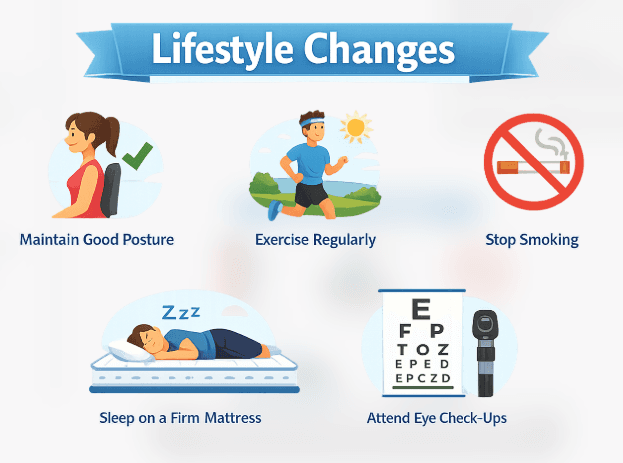
Non‑surgical management
Physiotherapy and daily stretching exercises help maintain flexibility and reduce stiffness. Low-impact activities such as swimming and hydrotherapy may improve mobility while reducing joint strain.
When is a procedure or surgery needed?
Surgery is rarely required in AS. It may be considered for:
- Severe hip joint damage requiring hip replacement surgery
- Severe spinal deformity or spinal complications affecting posture and movement
💡Myths & Facts
AS is just ordinary back pain.
AS is an inflammatory arthritis requiring specific treatment.
Only men develop AS.
Women can also develop AS, though symptoms may differ.
Exercises worsen AS
Regular exercise improves flexibility and reduces stiffness.
❓Frequently Asked Questions
Can AS be cured?
Some patients achieve significant symptom relief or remission with biologic treatments.
Will I need surgery?
Most patients do not require surgery. However, in cases of severe hip damage or spinal deformity, surgery may be considered. Early treatment and exercise help reduce this risk
Is AS hereditary?
Yes. Genetics, especially HLA-B27, play an important role.
Speak to an orthopaedic specialist
Get an expert opinion and a personalised treatment plan at Sterling Hospitals.


