Schedule Your Appointment Online
Clinical Excellence
Evidence-based care through innovation, advanced technology, and qualified professionals, ensuring exceptional patient outcomes
Excellent Patient Care
Compassionate, personalized, holistic approach leading to superior patient care
Transparent and Ethical
Upholding honesty and integrity in all interactions, ensuring trust through clear communication and ethical practices
Modern Infrastructure
Equipped with state-of-the-art facilities and cutting-edge technology to support superior patient care and innovative treatments
Why Choose Sterling
Why Choose
Sterling?
Choose Sterling Hospitals, Gujarat's first NABH-accredited private hospital with over 20 years of excellence in patient care. Our 6 hospitals across the state offer comprehensive, tailored healthcare, touching lakhs of lives annually. Conveniently located and managed by compassionate professionals, Sterling Hospitals ensures accessible, top-tier care for every patient.
Our Specialities
Our
Specialities
From routine check-ups to specialized treatments, our dedicated team of healthcare professionals offers personalized care to meet all your needs on your journey to wellness.
Our Hospitals
Our
Hospitals
Checkout Sterling Hospitals near you to give a quick visit and get your checkup done by our best professionals






World-Class Care,Beyond Borders
We provide seamless and personalized care for patients from around the world, with end-to-end support at every step of your journey.
Enquire Now
Transforming Lives with Expert Care
Watch inspiring recovery stories from our patients and explore our comprehensive healthcare services
Patient Success Stories
Real recovery journeys from our patients
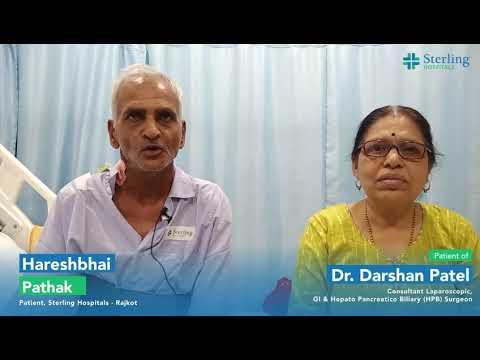
Expert Pancreatitis Care at Sterling Hospitals
Hareshbhai's health improved under the expert care of Dr. Darshan and the team at Sterling Hospitals.
Advanced Paediatric Oncology Care at Sterling Hospitals
Sterling Hospitals delivered advanced paediatric oncology care, preserving a young girl's liver with precision surgery

Treatment of Advanced Lung Cancer Complication at Sterling Hospitals, Rajkot
A life-saving Thoracoscopic Decortication successfully treated a lung cancer
Health Blogs
Health Blogs
Explore Further: Checkout and Dive into more Blogs and keep yourself updated

Despite being the leading cause of cancer cases and deaths worldwide (source: WHO), lung cancer rarely makes it to the headlines. What makes the scenario more concerning is the common misconception that it only affects people who smoke, which is far from the truth. Lung cancer can affect non-smokers too, with several other factors increasing a person's risk. Misconceptions like these highlight why awareness is so important. To help increase awareness about this life-threatening disorder, Lung Cancer Awareness Month is observed every year in the month of November. In line with the observance, today we'll understand why the month matters, the warning signs to look out for, and the steps you can take to lower your risk.
About Lung Cancer Awareness Month
Lung Cancer Awareness Month is observed every November to bring attention to one of the leading causes of cancer-related deaths worldwide. Awareness initiatives began in the United States in the 1990s, initially taking the form of a dedicated awareness day before expanding into week-long and month-long campaigns. Today, healthcare organisations, advocacy groups and communities in several countries participate in these efforts to educate the public about lung cancer.
The observance highlights the importance of recognising symptoms, understanding risk factors and seeking timely medical advice. It also challenges the stigma surrounding lung cancer, particularly the assumption that it only affects smokers. By advocating for better access to care, supporting patients and their families, and encouraging continued research, the month promotes a more informed and compassionate approach to the disease.
Understanding Lung Cancer and its Types
Lung cancer develops when abnormal cells in the lungs grow uncontrollably, forming tumours that can interfere with normal lung function and may spread to other parts of the body. It is one of the most commonly diagnosed cancers worldwide and can affect both smokers and non-smokers.
Based on the type of cells involved and how the cancer grows, there are two main lung cancer types:
- Non-small cell lung cancer (NSCLC): This is the most common type of lung cancer, accounting for approximately 85% of cases. It includes adenocarcinoma, squamous cell carcinoma and large cell carcinoma. These cancers generally grow and spread more slowly than small cell lung cancer, although their behaviour varies depending on the subtype and stage.
- Small cell lung cancer (SCLC): This type accounts for approximately 10% to 15% of lung cancer cases. It tends to grow and spread more quickly than non-small cell lung cancer and is strongly associated with smoking. Early diagnosis and appropriate treatment are important in managing the disease.
What are the Early Signs of Lung Cancer?
Lung cancer may not cause noticeable symptoms in its early stages, which is one reason it can go undetected for some time. When symptoms do appear, they may resemble those of common respiratory illnesses. Some early symptoms of lung cancer to look out for include:
- Persistent Cough: A cough that does not go away or gradually worsens over time.
- Coughing up Blood: Blood in the sputum, even in small amounts, warrants prompt medical assessment.
- Shortness of Breath: Difficulty breathing during routine activities or breathlessness that is new or worsening.
- Chest Pain: Discomfort or pain in the chest that may worsen with deep breathing, coughing or laughing.
- Recurring Infections: Repeated episodes of bronchitis or pneumonia, particularly in the same area of the lung.
- Unexplained Weight Loss: Losing weight without changing your diet or activity levels.
- Persistent Fatigue: Feeling unusually tired or weak without an obvious explanation.
- Voice Changes: Hoarseness or a persistent change in the voice.
These symptoms do not necessarily indicate lung cancer, as they can occur with other conditions too.
What Increases Your Risk of Lung Cancer?
Smoking is the leading risk factor for lung cancer, but it is not the only one. Several environmental, occupational and personal factors can contribute to the development of the disease. The main risk factors include:
- Tobacco Smoking: Cigarette smoking is responsible for most lung cancer cases. The risk generally increases with the duration and amount of smoking.
- Second-Hand Smoke: Regular exposure to smoke from other people's cigarettes can increase the risk of developing lung cancer.
- Air Pollution: Long-term exposure to outdoor air pollution, including fine particulate matter, is associated with an increased risk.
- Radon Exposure: Radon is a naturally occurring radioactive gas that can accumulate indoors and damage lung tissue when inhaled over time.
- Occupational Exposure: Contact with substances such as asbestos, arsenic, diesel exhaust and certain industrial chemicals can increase lung cancer risk.
- Family History: Having a close relative with lung cancer may be associated with a higher risk, partly due to shared genetic and environmental factors.
- Previous Radiation Therapy: Radiation treatment to the chest for certain cancers may increase the risk of developing lung cancer later in life.
Having one or more risk factors does not mean a person will necessarily develop lung cancer. Similarly, people without recognised risk factors can still develop the disease.
Why Early Detection Can Save Lives
Early detection can make a meaningful difference in lung cancer care. When the disease is diagnosed before it has spread to other parts of the body, treatment may be more effective, and patients may have more treatment options available to them.
There are two important ways lung cancer can be detected early:
- Early Diagnosis: This involves identifying the cause of symptoms as soon as possible. If you experience a persistent cough, unexplained breathlessness or other concerning changes, a healthcare professional may recommend imaging tests and, where necessary, a biopsy to determine the cause.
- Screening: Screening looks for lung cancer before symptoms appear. Low-dose computed tomography (LDCT) scans can help detect lung cancer in certain people at high risk, particularly those with a significant history of smoking. Screening eligibility depends on individual risk factors and applicable clinical guidelines.
Small Steps for Healthier Breaths: How Can You Lower Your Lung Cancer Risk
Not every case of lung cancer can be prevented, but reducing exposure to known risk factors can help lower your chances of developing the disease. Here are some practical steps to consider:
Quit SmokingAvoiding tobacco is one of the most effective ways to reduce lung cancer risk. If you smoke, quitting can benefit your health at any age. Consider speaking to a healthcare professional about cessation programmes, counselling or treatments that can help you quit.
Avoid Second-Hand SmokeExposure to other people's tobacco smoke can also increase lung cancer risk. Keep your home and car smoke-free, and avoid environments where you are regularly exposed to tobacco smoke.
Reduce Pollution ExposureAir pollution is a recognised lung cancer risk factor. Where possible, check local air quality reports, limit strenuous outdoor activity during periods of high pollution and improve indoor ventilation when outdoor conditions allow. These steps may reduce exposure, although they cannot eliminate the risk entirely.
Follow Safety MeasuresSome workplaces expose people to carcinogens such as asbestos, silica and diesel exhaust. Follow workplace safety procedures, use appropriate protective equipment and raise concerns about unsafe exposure with your employer or occupational health team.
Check Your RiskDiscuss your personal and family medical history, smoking history and potential environmental exposures with a healthcare professional. They can help you understand your risk and determine whether lung cancer screening is appropriate for you. Avoid getting scans without medical guidance, as screening is intended for specific groups and has potential benefits and limitations.
How Can You Support People Living With Lung Cancer
A lung cancer diagnosis can affect every aspect of a person's life, from their physical health to their emotional well-being and relationships. Here are some ways you can offer support.
1. Listen Without JudgementGive the person space to talk about their feelings, concerns and treatment experience. Avoid making assumptions about how they developed lung cancer or suggesting that their diagnosis is a result of their choices. A non-judgemental conversation can help them feel heard and respected.
2. Offer Practical HelpTreatment can make everyday tasks more difficult. You can offer to accompany someone to medical appointments, help with transport, prepare meals or assist with household responsibilities. Ask what they need instead of assuming what would be most helpful.
3. Encourage Emotional SupportLiving with cancer can bring feelings of fear, uncertainty and isolation. Encourage patients to speak with a counsellor, join a cancer support group or seek help from a mental health professional if they feel overwhelmed. Respect their preferences and give them time to process their emotions.
4. Share Reliable InformationHelp patients and caregivers find trustworthy information about treatment options, supportive care and available resources. Encourage them to discuss medical questions with their healthcare team rather than relying on unverified online advice.
5. Challenge The StigmaLung cancer can affect smokers and non-smokers alike. Avoid language that blames patients for their illness, and help challenge misconceptions when you encounter them. Promoting a more understanding attitude can make it easier for people to seek help and receive the support they deserve.
Take Action for Healthier Lungs and Brighter Futures
Lung Cancer Awareness Month is an opportunity to learn more about the disease, challenge common misconceptions and take meaningful steps towards better lung health. Most importantly, pay attention to changes in your health and encourage your loved ones to do the same. If you notice persistent or concerning symptoms, such as a cough that does not go away, unexplained breathlessness or coughing up blood, consult a pulmonologist promptly for an appropriate evaluation. Early medical assessment can help identify the cause of these symptoms and ensure that you receive the care you need.
Stomach cancer continues to be a significant health concern, with an estimated 642,000 deaths worldwide in 2024 (Source: WHO). Making the scenario more concerning is its silent nature - stomach cancer in its early stages is often asymptomatic or causes non-specific symptoms, which can delay diagnosis, at which point the treatment options are more limited. Stomach Cancer Awareness Month, observed every November, aims to address this by promoting understanding of the disease, its warning signs and the importance of timely medical consultation. In this article, we’ll take a closer look at the observation’s purpose, and explore the causes, symptoms, diagnosis and treatment pathways for stomach cancer.
About Stomach Cancer Awareness Month
Stomach Cancer Awareness Month is observed every November to raise awareness about stomach cancer. The observance gained recognition in the United States in 2010 through efforts led by the nonprofit organisation No Stomach For Cancer, which works to support stomach cancer research, education and patient advocacy. Its establishment helped bring greater attention to a disease that can be difficult to recognise in its early stages.
It highlights the importance of recognising stomach cancer symptoms, understanding risk factors and seeking timely medical advice. The observance encourages people to look beyond common digestive complaints and learn when persistent symptoms may need medical evaluation.
The month also provides an opportunity to educate people about how stomach cancer develops, the role of factors such as H. pylori infection, and the diagnostic and treatment options available. By making reliable information more accessible, the campaign aims to encourage informed health decisions and promote earlier medical evaluation when concerns arise.
Understanding Stomach Cancer
Stomach cancer, also known as gastric cancer, develops when cells in the stomach begin to grow abnormally and multiply uncontrollably. It usually starts in the stomach's inner lining and may spread into deeper layers or nearby organs as it progresses. The most common type is gastric adenocarcinoma, which develops in the cells that produce mucus and other fluids in the stomach lining. Early stomach cancer may not cause noticeable symptoms, and those that do appear can resemble common digestive problems, such as indigestion or bloating. This can make the condition difficult to recognise without medical evaluation.
Types of Stomach Cancer
Stomach cancer can develop from different types of cells in the stomach. The main types include:
AdenocarcinomaAdenocarcinoma is the most common type of stomach cancer, accounting for more than 90% of cases. It develops in the glandular cells lining the stomach, which produce mucus and other digestive fluids. This cancer can occur in different parts of the stomach and may grow into deeper layers or spread to other organs if left untreated.
Gastrointestinal Stromal TumoursGastrointestinal stromal tumours (GISTs) develop from specialised cells in the wall of the digestive tract, most commonly in the stomach. Their behaviour varies, with some growing slowly and others being more aggressive. Treatment depends on the tumour's size, location and likelihood of spreading.
Gastric LymphomaGastric lymphoma is a type of cancer that develops in the immune cells within the stomach. Some forms, including mucosa-associated lymphoid tissue (MALT) lymphoma, are associated with H. pylori infection. Treatment may involve antibiotics to eradicate the infection, medicines, radiotherapy or other cancer therapies, depending on the type and extent of the disease.
Neuroendocrine TumoursGastric neuroendocrine tumours develop from hormone-producing cells in the stomach. Some grow slowly, while others can be more aggressive. Their treatment depends on factors such as tumour size, grade and whether the cancer has spread.
What Increases the Risk of Stomach Cancer?
Stomach cancer does not have one single cause. Several factors can increase the likelihood of developing the disease including:
- H. pylori Infection: Long-term infection with Helicobacter pylori, a bacterium that can cause inflammation of the stomach lining, is a major risk factor for stomach cancer. Over time, the infection may lead to changes in the stomach lining that increase cancer risk.
- Family History: Having a parent, sibling or child who has had stomach cancer can increase the risk. Certain inherited conditions, including hereditary diffuse gastric cancer, can also raise the likelihood of developing the disease.
- Dietary Habits: Regularly eating large amounts of salted, smoked or poorly preserved foods may increase the risk. Diets low in fruit and vegetables have also been associated with a higher risk.
- Smoking: Tobacco use increases the risk of stomach cancer. Quitting smoking can help reduce this risk over time and improve overall health.
- Age: The risk generally increases with age, although stomach cancer can occur in younger adults too.
- Existing Stomach Conditions: Chronic atrophic gastritis, intestinal metaplasia and pernicious anaemia are among the conditions associated with an increased risk.
- Excess Body Weight: Being overweight or obese is associated with a higher risk of cancer in the upper part of the stomach, particularly near the junction with the oesophagus.
What are the Early Signs of Stomach Cancer?
Stomach cancer may not cause noticeable symptoms in its early stages. When symptoms do appear, they can resemble common digestive conditions, which makes it important to pay attention to persistent or unusual changes. Possible signs include:
- Persistent indigestion: Repeated indigestion or discomfort in the upper abdomen that does not settle or keeps returning.
- Bloating: Frequent bloating or a feeling of fullness after eating, even when the meal is small.
- Reduced Appetite: Eating less than usual because of a lack of appetite or discomfort after meals.
- Nausea: Recurrent nausea, sometimes accompanied by vomiting.
- Abdominal Discomfort: Persistent pain or discomfort in the upper abdomen.
- Unexplained Weight Loss: Losing weight without making changes to diet or physical activity.
- Difficulty Swallowing: Trouble swallowing food, particularly when the tumour affects the upper part of the stomach or the junction with the oesophagus.
- Unusual Fatigue: Feeling unusually tired or weak, which may occur if bleeding from the tumour leads to anaemia.
How is Stomach Cancer Diagnosed?
If stomach cancer is suspected, a doctor may recommend several tests to identify the cause of the symptoms, confirm whether cancer is present and determine how far it has spread. The diagnostic process usually involves the following steps:
Medical AssessmentThe doctor begins by asking about symptoms, how long they have been present and whether there is a family history of stomach cancer. A physical examination may follow, along with blood tests to check for anaemia or other abnormalities. These tests can provide useful clues, but they cannot confirm stomach cancer on their own.
Upper EndoscopyAn upper gastrointestinal endoscopy allows the doctor to examine the lining of the oesophagus, stomach and upper small intestine using a thin, flexible tube with a camera. If an abnormal area is found, a small tissue sample may be collected for examination.
BiopsyA biopsy is the main way to confirm a diagnosis of stomach cancer. The tissue sample collected during endoscopy is examined under a microscope to identify cancer cells and determine the type of tumour. Additional laboratory tests may help identify characteristics that can guide treatment.
Imaging TestsIf cancer is confirmed, imaging tests such as CT scans may be used to check whether it has spread to nearby tissues, lymph nodes or other organs. In selected cases, the doctor may recommend an endoscopic ultrasound, PET scan or laparoscopy to assess the extent of the disease.
What Treatment Options are Available for Stomach Cancer?
Treatment depends on the type of stomach cancer, its stage, tumour characteristics and the person's overall health. A multidisciplinary team may include gastroenterologists, surgical oncologists, medical oncologists, radiologists and other specialists. The main treatment options include:
SurgerySurgery may be recommended when the cancer can be removed safely. Depending on its location and extent, the surgeon may remove part of the stomach, known as a partial gastrectomy, or the entire stomach, known as a total gastrectomy. Nearby lymph nodes may also be removed to assess and treat the disease.
After surgery, eating habits and nutritional needs may change. Dietary guidance and follow-up care can help manage these changes during recovery.
ChemotherapyChemotherapy uses medicines to destroy cancer cells or stop them from growing. It may be given before surgery to shrink the tumour, after surgery to reduce the risk of recurrence, or as a primary treatment when surgery is not suitable. In advanced cases, it may also help control the disease and relieve symptoms.
RadiotherapyRadiotherapy uses high-energy radiation to destroy cancer cells. It may be combined with chemotherapy in selected cases or used to relieve symptoms, depending on the location and extent of the cancer.
Targeted TherapyTargeted therapy works on specific proteins or molecular changes that help cancer cells grow. Tests on tumour tissue may identify whether a person is likely to benefit from a particular targeted medicine.
ImmunotherapyImmunotherapy helps the immune system recognise and attack cancer cells. It may be suitable for certain stomach cancers, depending on test results, the stage of the disease and previous treatments.
Supportive CareSupportive or palliative care helps manage symptoms, nutritional difficulties, pain and treatment side effects. It can be provided alongside cancer treatment to improve comfort and quality of life. The appropriate treatment plan should be discussed with the specialist team, including its potential benefits, side effects and expected outcomes.
Take a Step Towards Better Stomach Health
Stomach Cancer Awareness Month is a good time to pay attention to symptoms that do not go away. If you have ongoing indigestion, bloating or a loss of appetite, or you are worried about your own risk because of a family history of stomach cancer or a past H. pylori infection, do not wait for it to settle on its own. A gastroenterologist at Sterling Hospitals can review your symptoms and medical history, explain what could be causing them and advise whether you need tests such as an endoscopy. Consult a gastroenterologist at Sterling Hospitals today, so that any concern is checked early and you get clear answers.
Our bones are continually breaking down and rebuilding through a natural cellular process. However, when the rate of bone breakdown outpaces new bone formation, whether due to aging, hormonal shifts, or underlying health conditions, it leads to osteoporosis, a condition that severely weakens bones. Because bone loss occurs gradually without noticeable symptoms, many people do not realise they have osteoporosis until they suffer a fracture. Raising global awareness about early detection and prevention is essential, which is precisely the mission of World Osteoporosis Day.
Read on to understand the significance of World Osteoporosis Day 2026, what causes osteoporosis across different life stages, how it affects bone health, and the practical steps you can take to keep your bones strong and healthy.
About World Osteoporosis Day
World Osteoporosis Day was first observed on 20 October 1996, launched by the UK's National Osteoporosis Society with support from the European Commission. Since 1997, the International Osteoporosis Foundation (IOF) has led the global campaign, bringing together healthcare professionals, patient organisations and health authorities to raise awareness about osteoporosis and bone health.
The significance of World Osteoporosis Day lies in drawing attention to osteoporosis, a condition that often remains undiagnosed until a fracture occurs. The day highlights the importance of early detection, timely treatment and preventive measures to reduce bone loss and fracture risk. It also encourages people to prioritise bone health through balanced nutrition, regular exercise and appropriate medical care, helping preserve mobility, independence and quality of life at every age.
Theme for World Osteoporosis Day 2026
The theme for World Osteoporosis Day 2026 is “Build, Protect, Strengthen Your Bones for Life.” that highlights the importance of maintaining bone health throughout life. It encourages people to take proactive steps to build stronger bones, protect them from bone loss and strengthen them through healthy lifestyle choices and appropriate medical care.
The campaign focuses on three key actions:
- Build: Support bone development through adequate calcium and vitamin D intake, a balanced diet and regular weight-bearing exercise.
- Protect: Reduce the risk of bone loss by understanding osteoporosis risk factors, staying physically active and taking steps to prevent falls.
- Strengthen: Prioritise bone health through early diagnosis, appropriate treatment and habits that help maintain bone strength as you age.
The key message is that bone health requires attention at every stage of life. By making informed choices and seeking medical advice when needed, people can help reduce their risk of osteoporosis and fractures.
What is Osteoporosis?
Osteoporosis is a bone condition that develops when the body loses too much bone, makes too little new bone, or both. This causes bones to become weak, less dense and more prone to fractures, sometimes even after a minor fall or a simple movement. Although it can affect people of all ages, the risk increases as people grow older, particularly among women after menopause.
Our bones are living tissues that constantly undergo a process called bone remodelling, in which old bone tissue is broken down and replaced with new bone. However, when bone breakdown begins to outpace new bone formation, bone density gradually decreases. As a result, bones become more fragile and susceptible to fractures, especially in areas such as the hips, spine and wrists.
Often referred to as a silent disease, osteoporosis may not cause noticeable symptoms in its early stages. Many people only discover they have it after experiencing a fracture. This is why understanding the condition, recognising risk factors and seeking medical assessment when appropriate are important for protecting bone health and reducing the risk of complications.
What Causes Osteoporosis?
While ageing is a major risk factor, several other factors can increase a person's likelihood of developing the condition. These include:
- Ageing: As people grow older, bone formation may slow down while bone loss increases. This gradually reduces bone density and makes bones more fragile.
- Hormonal Changes: Oestrogen levels decline significantly during menopause, accelerating bone loss. Low testosterone levels can also increase the risk of osteoporosis in men.
- Calcium Deficiency: Calcium is essential for building and maintaining strong bones. Consistently low calcium intake can affect bone development and maintenance.
- Vitamin D Deficiency: Vitamin D helps the body absorb calcium from food. Low vitamin D levels can reduce calcium absorption and affect bone health.
- Physical Inactivity: Weight-bearing activities and muscle-strengthening exercises help maintain bone strength. A sedentary lifestyle can contribute to bone loss over time.
- Genetics: A family history of osteoporosis or fractures resulting from minor falls can increase a person's risk.
- Smoking and Alcohol: Smoking and excessive alcohol consumption can interfere with normal bone remodelling and contribute to bone loss.
- Medical Conditions and Medicines: Conditions such as an overactive thyroid, coeliac disease and rheumatoid arthritis can affect bone health. Long-term use of corticosteroids, such as prednisolone, can also increase osteoporosis risk.
Who is at Risk of Osteoporosis?
Osteoporosis can affect people of all ages, but certain individuals are more likely to develop the condition. The groups at a higher risk of osteoporosis include:
- Postmenopausal Women: The decline in oestrogen levels after menopause accelerates bone loss, increasing the risk of osteoporosis.
- Older Adults: Bone density naturally declines with age, making older adults more susceptible to fractures.
- People with a Family History: Individuals whose parents have osteoporosis or a history of hip fractures may have a higher risk of developing the condition.
- People with Low Body Weight: Individuals with a low body mass index (BMI) may have lower bone mass and a greater risk of fractures.
- People with Certain Medical Conditions: Those with conditions such as rheumatoid arthritis, coeliac disease, hyperthyroidism or malabsorption disorders may experience accelerated bone loss.
- Individuals Taking Certain Medicines: Long-term use of corticosteroids and certain other medications can interfere with bone metabolism.
- People with Previous Fractures: Individuals who have experienced fractures following minor falls or everyday activities may have underlying bone weakness and a higher risk of fractures in the future.
Also Read: Understanding Rheumatoid Arthritis: Symptoms, Causes, and Effective Treatments
What are the Signs and Symptoms Of Osteoporosis?
Osteoporosis is often called a silent disease because it usually does not cause pain or noticeable symptoms during its early stages. In many cases, the first indication is a fracture that occurs following a minor fall or movement.
As the condition progresses, some signs may become noticeable. These include:
- Unexpected Fractures: A fracture following a minor fall, a light impact or routine activity may indicate reduced bone strength.
- Loss Of Height: Gradual height loss over the years can occur due to compression fractures in the vertebrae.
- Changes In Posture: A stooped or hunched posture may develop when weakened spinal bones collapse or compress.
- Persistent Back Pain: Sudden or ongoing back pain can sometimes indicate a vertebral fracture, particularly when accompanied by height loss or postural changes.
- Reduced Mobility: Fractures, pain and changes in spinal alignment can make everyday activities, such as walking, bending or lifting objects, more difficult.
It is important to note that back pain and changes in posture can have several causes. If you experience these symptoms, particularly after a minor fall or without an obvious injury, seek medical evaluation rather than assuming they are due to ageing.
How is Osteoporosis Treated?
Osteoporosis treatment aims to slow bone loss, improve bone strength where possible and reduce the risk of fractures.
Treatment options may include the following:
MedicationsDoctors may prescribe medicines to reduce bone breakdown or stimulate new bone formation, depending on the severity of osteoporosis and the patient's fracture risk.
Nutritional SupportAdequate calcium and vitamin D intake supports bone maintenance and helps ensure that osteoporosis medication works as intended. A doctor may recommend dietary changes or supplements if a deficiency or inadequate intake is identified.
Food sources of calcium include dairy products, calcium-set tofu and certain green vegetables. Vitamin D can be obtained from selected foods, fortified products and sunlight exposure, although individual requirements vary.
ExerciseAppropriate exercise helps improve muscle strength, balance and physical function. A physiotherapist may recommend weight-bearing activities, resistance exercises and balance training according to the person's bone health and fracture history.
People with severe osteoporosis or existing vertebral fractures may need to avoid high-impact activities and certain movements involving forceful spinal bending or twisting.
How Can Osteoporosis be Prevented?
Although osteoporosis cannot always be prevented, certain lifestyle changes can help maintain bone strength and reduce the risk of fractures. Here are some measures to consider:
1. Eat Calcium-Rich FoodsInclude calcium-rich foods such as milk, yoghurt, cheese, calcium-set tofu and suitable green vegetables in your daily diet. Calcium supports bone structure, while adequate protein helps maintain the muscles that support movement and balance. If your diet does not provide enough calcium, consult a healthcare professional before taking supplements.
2. Get Enough Vitamin DVitamin D helps the body absorb calcium and maintain healthy bones. Include suitable sources such as oily fish, eggs and fortified foods in your diet. Depending on your sun exposure, diet and individual health needs, your doctor may recommend vitamin D supplements or testing.
3. Exercise RegularlyMake weight-bearing activities, such as walking and stair climbing, part of your routine. Add muscle-strengthening exercises to help maintain bone and muscle health. Balance training can also help reduce the risk of falls. If you have osteoporosis or a history of fractures, seek professional guidance before starting a new exercise programme.
4. Avoid Smoking and Excess AlcoholSmoking and excessive alcohol consumption can negatively affect bone health. Avoid tobacco and keep alcohol intake within recommended limits. Maintaining a balanced diet and a healthy body weight can also support bone health over the long term.
5. Schedule Bone Health ChecksDo not wait for a fracture if you have risk factors such as early menopause, long-term corticosteroid use or a family history of hip fractures. Speak to your doctor about whether a bone mineral density test, commonly performed using a DXA scan, is appropriate for you. Early assessment can help identify bone loss and guide preventive care.
Prioritise Bone Health Today and Every Day
World Osteoporosis Day reminds us that protecting bone health starts with recognising the risks before they lead to complications. So if you have risk factors or have experienced a fracture after a minor fall, it is important to seek medical advice. Consult an orthopaedist at Sterling Hospitals to identify potential concerns and understand your bone health. They can guide you towards appropriate care to help maintain your mobility and quality of life as you age.
Every year, millions of lives are lost to traumatic injuries simply because immediate, life-saving care is not available in time. In many emergencies, bystanders want to help, but lack the basic first aid skills needed to stabilise a patient before professional medical teams arrive. This critical gap between injury and hospital care is precisely why World Trauma Day is observed every year to raise awareness, promote emergency preparedness, and empower everyday people to take decisive, life-saving action.
In support of this initiative, this guide breaks down the essential first aid skills everyone should know to act confidently and save lives in a crisis.
About World Trauma Day
World Trauma Day is observed every year on 17 October to raise awareness about the impact of traumatic injuries and the need for timely care. The day was established to draw attention to the growing burden of trauma, particularly injuries caused by road accidents, falls, violence, burns and other emergencies. It also highlights the importance of strengthening trauma care systems and improving emergency response.
The significance of World Trauma Day lies in encouraging greater awareness about trauma prevention, emergency preparedness and timely medical care. It provides an opportunity to remind people that knowing how to respond to an injury can be valuable during the critical period before professional help arrives. Learning basic first-aid skills, understanding emergency procedures and taking steps to prevent injuries can all contribute to better outcomes after a traumatic event.
The Importance of Golden Hour in Trauma Care
The golden hour refers to the first hour after a serious traumatic injury, when prompt assessment and treatment can be especially important. During this period, rapid action can help identify life-threatening injuries, control bleeding, support breathing and circulation, and reduce the risk of complications.
The concept highlights why the response to trauma needs to begin as soon as an injury occurs. First aid provided at the scene, followed by timely transport and appropriate medical care, can help bridge the gap until the injured person reaches a healthcare facility. Knowing basic first-aid steps can therefore play an important role during this early stage of trauma care.
First Steps after an Injury
The first few actions after an injury can help keep the situation under control while medical assistance is arranged. Before providing first aid, here is what you should do:
1. Check the Scene for SafetyBefore going near the injured person, look around for dangers such as moving traffic, fire, broken glass, exposed electrical wires or unstable structures. If the area is unsafe, do not go in. Stay at a safe distance and wait for trained help
2. Call for Emergency HelpCall 112, the national emergency number, or ask someone nearby to do it. You can also call 102 or 108 for an ambulance, depending on your state. Give the exact location, the number of people hurt and what happened. Stay on the line until the operator ends the call.
3. Check if the Person Responds and is BreathingGently tap the person's shoulder and ask loudly if they are all right. If there is no response, check whether the chest is rising and falling. If the person is not breathing normally, start CPR if you have been trained, and follow the instructions from the emergency operator.
4. Do Not Move the Person UnnecessarilyMoving an injured person can worsen injuries to the neck, back or head. Move them only if staying in place puts them in immediate danger, such as a fire or oncoming traffic. Keep the person still, and support the head and neck if the person is lying down.
5. Control any BleedingHeavy bleeding can become life-threatening quickly. Press firmly on the wound with a clean cloth or dressing and keep the pressure on until help arrives. Do not remove the cloth if it soaks through. Add another layer on top.
6. Keep the Injured Person CalmSpeak calmly, tell them that help is on the way and ask them not to try to get up. Cover them with a blanket or jacket if they feel cold. Do not give food or water, since they may need surgery or anaesthesia.
Essential First-Aid Skills Everyone Must Know How to Perform
Knowing a few basic first-aid skills can help you respond appropriately when someone is injured or suddenly becomes unwell. Here are some essential skills everyone should know:
Performing CPRCPR is used when someone is unresponsive and not breathing normally. Call emergency medical services and begin chest compressions as soon as possible.
For an adult, give 30 chest compressions followed by 2 rescue breaths if you are trained and willing to provide them. Aim for 100 to 120 compressions per minute. If you are not trained in rescue breaths, hands-only CPR can be performed until help arrives.
Controlling BleedingSevere bleeding needs to be controlled quickly. Place a clean dressing, gauze or cloth over the wound and apply firm, continuous pressure.
Keep applying pressure until the bleeding stops or medical help takes over. If blood soaks through the dressing, place another one on top rather than replacing the first one.
Clearing ChokingIf a person can cough or speak, encourage them to keep coughing. If they cannot breathe, speak or cough effectively, give 5 back blows, followed by 5 abdominal thrusts.
Continue alternating between the two until the blockage clears. If they become unresponsive, call emergency services and begin CPR.
Cooling BurnsFor a fresh burn, move the person away from the heat source and place the affected area under cool running water for at least 20 minutes.
Remove nearby jewellery or clothing if it is not stuck to the skin. Avoid applying ice, butter, toothpaste or oils to the burn.
Supporting FracturesIf you suspect a fracture, keep the injured area as still as possible. Support the limb in the position you find it and avoid trying to straighten it or push a visible bone back into place.
If there is an open wound, cover it with a clean dressing without putting pressure directly on a protruding bone. Seek medical attention promptly.
Protecting Head InjuriesAfter a blow to the head, keep the person still and monitor them for changes. Symptoms such as repeated vomiting, confusion, seizures, worsening headache or increasing drowsiness need urgent medical attention.
Avoid unnecessary movement of the head and neck, particularly after a road accident or serious fall.
Managing ShockShock can occur after severe bleeding, major trauma, burns or other serious injuries. Keep the person warm and comfortable while waiting for medical help.
Address any obvious cause, such as severe bleeding, and continue monitoring their breathing and responsiveness. Avoid giving the person food or drink.
Placing Recovery PositionIf someone is unconscious but breathing normally, place them in the recovery position to help keep their airway clear.
Carefully roll them onto their side and make sure they are stable. Continue checking their breathing until medical help arrives. If a spinal injury is suspected, avoid moving them unless it is necessary for their immediate safety.
Mistakes to Avoid During an Emergency
In an emergency, the wrong action can do as much harm as doing nothing. Most of these mistakes come from panic or from half-remembered advice, and they are easy to avoid once you know them:
Delaying HelpDo not spend too much time trying to assess or treat a serious injury yourself. Call emergency medical services as soon as you recognise a potentially life-threatening situation and follow their instructions while providing first aid.
Moving The InjuredAvoid moving someone unnecessarily after a serious fall, road accident or other major trauma. Movement can worsen an injury to the head, neck or spine. Move them only when there is an immediate danger at the scene or movement is necessary to provide essential care.
Stopping CPRDo not stop CPR frequently to check whether the person has started breathing. Continue chest compressions until the person shows signs of life, professional help takes over, an AED instructs you to pause, or you are physically unable to continue.
Applying Wrong TreatmentsAvoid applying substances such as butter, toothpaste, oils or ice directly to burns. Similarly, do not try to push a dislocated joint or broken bone back into position. Incorrect treatment can increase tissue damage and complicate medical care.
Giving Food Or DrinkDo not give food or drinks to someone who is seriously injured, unconscious or likely to need an urgent procedure. They may have difficulty swallowing or may require treatment that is safer on an empty stomach.
Removing Objects From WoundDo not pull out an object that is deeply embedded in a wound. It may be helping to limit bleeding, and removing it can cause further damage. Instead, keep it in place and seek emergency medical help.
Ignoring SymptomsDo not assume that someone is fine simply because their injury looks minor. Symptoms such as confusion, difficulty breathing, severe bleeding, loss of consciousness, seizures or worsening pain can indicate a serious condition and require prompt medical attention.
Get Round- the-Clock Emergency and Trauma Care at Sterling Hospitals
World Trauma Day highlights the importance of timely trauma care and being prepared to respond when serious injuries occur. As part of this preparedness, knowing where to access immediate medical attention can be important during an emergency. Sterling Hospitals provides round-the-clock emergency and trauma care, with medical teams equipped to assess and manage a range of traumatic injuries and critical conditions. From road accidents and severe bleeding to fractures and other emergencies, patients can receive prompt evaluation and appropriate treatment based on their needs.
A stroke is a critical medical emergency where every minute matters. When blood supply to the brain is interrupted, millions of brain cells begin to die each minute, drastically increasing the risk of long-term disability or life-threatening complications. In such emergencies, immediate intervention by those present serves as the first line of defence before emergency services arrive.
This World Stroke Day, let’s equip ourselves with the essential knowledge to recognise stroke symptoms early, understand the FAST method, and take swift, potentially life-saving action when every second counts.
About World Stroke Day
World Stroke Day takes place every year on 29 October to bring global attention to stroke, its prevention, treatment and long-term impact. The World Stroke Organisation established the day in 2006, following the development of the World Stroke Proclamation, and has since used it as a focal point for global awareness and action.
The day plays an important role in helping people understand that stroke can affect anyone and that timely action can influence outcomes. The World Stroke Organisation uses its annual campaigns to improve public understanding of stroke prevention and symptoms, encourage people to act when stroke occurs, and promote better access to treatment and support for survivors.
Theme for World Stroke Day 2026
The official World Stroke Day 2026 campaign carries the message “Every M1nute Counts” and uses #ActFAST to highlight the importance of recognising stroke symptoms and seeking emergency care quickly. The campaign points to a simple but critical reality: when a stroke occurs, time lost can mean brain tissue lost. By encouraging people to know the signs and act as soon as they notice them, the campaign aims to help more people reach appropriate treatment without unnecessary delay.
“The Time Is Now” also reflects a historic moment for global stroke care. In May 2026, the World Health Assembly adopted its first-ever resolution on stroke, which urges countries to strengthen stroke prevention, risk-factor control, timely acute treatment, rehabilitation and health-system readiness. The message is a reminder that action cannot wait, whether it is a family member calling for an ambulance at the first warning sign or governments investing in stroke services. For individuals, “now” means knowing the symptoms today, checking and controlling risk factors today, and acting the moment symptoms appear.
What is a Stroke?
A stroke occurs when blood flow to part of the brain becomes blocked or when a blood vessel in the brain bursts. An ischaemic stroke occurs when a clot or other blockage prevents blood from reaching brain tissue, while a haemorrhagic stroke occurs when a blood vessel ruptures and causes bleeding in or around the brain. In either case, the affected brain cells lose their supply of oxygen and nutrients, which can cause damage within minutes and lead to problems with movement, speech, vision, memory or other functions depending on the area affected
Burden of Stroke
Stroke is one of the biggest health challenges in the world. It is the second leading cause of death among non-communicable diseases and the third leading cause of death and disability combined worldwide. More than 12 million people have a stroke every year, and the number of strokes, stroke deaths and people living with stroke has risen sharply since 1990. The World Stroke Organization estimates that incident strokes have increased by about 70% and stroke deaths by about 44% between 1990 and 2021.
India is among the countries most affected. Stroke incidence in India is estimated at 108 - 172 cases per 1,00,000 people each year, with a one-month case fatality rate of 18 - 42%. Stroke also affects people at younger ages in India than in many high-income countries, and a large share of survivors are left with lasting disability that changes daily life for the whole family.
Socio-Economic Burden of Stroke
The impact of stroke goes well beyond the hospital. The global cost of stroke is estimated at about 0.66% of the world’s GDP. These costs include emergency care, hospital stay, medicines, rehabilitation and long-term care, as well as income lost when people can no longer work.
For families, the effects can be wide-ranging:
● Loss of Income: Stroke can strike people in their working years. Survivors may be unable to return to work or may need to reduce their hours, while family members often step back from work to provide care.
● Out-Of-Pocket Costs: Where health insurance and public support are limited, the costs of emergency treatment, scans, medicines, rehabilitation and home care may fall on the family and can push households into financial hardship.
● Long-Term Disability: Many survivors live with weakness, speech difficulty, memory or thinking problems and need help with everyday activities, sometimes for years.
● Caregiver Strain: Caring for a stroke survivor can take a physical, emotional and financial toll on spouses, children and other relatives.
● Emotional Impact: Stroke is often followed by low mood, anxiety and social isolation, for survivors and for those who care for them.
Because so much of this burden is linked to delayed care and uncontrolled risk factors such as high blood pressure and diabetes, early recognition, fast treatment and prevention are the most effective ways to reduce both the human and the economic cost of stroke.
Recognising a Stroke: The FAST Method
The BE FAST method (Balance, Eyes, Face, Arm, Speech, Time) provides a simple way to check for some of the most recognisable stroke symptoms. If you notice any of these signs, treat them as an emergency and seek medical help immediately:
B: Balance LossCheck for sudden loss of balance or coordination. The person may feel dizzy, stumble, find it hard to walk or stand steadily, or seem unable to coordinate their movements.
E: Eyesight ChangesAsk about sudden changes in vision, such as blurred or double vision, or loss of vision in one or both eyes. Some people notice a dark patch or loss of part of their field of view.
F: Face DroopingAsk the person to smile. Check whether one side of the face droops or feels numb, or whether the smile looks uneven.
A: Arm WeaknessAsk the person to raise both arms. Check if one arm feels weak or numb, or involuntarily drifts downwards.
S: Speech DifficultyAsk the person to repeat a simple sentence. Slurred speech, difficulty speaking or trouble understanding what others say can signal a stroke.
T: Time To ActDo not wait to see whether the symptoms improve. Call emergency medical services and get the person to a hospital as quickly as possible. Note the time when the symptoms first appeared, as this information can help the medical team assess treatment options.
Other Stroke Symptoms
FAST does not capture every possible stroke symptom. A person may experience other sudden changes, particularly when the stroke affects areas of the brain responsible for balance, vision or sensation. Watch for:
● Sudden Numbness: Numbness or weakness in the face, arm or leg, particularly on one side of the body.
● Vision Problems: Sudden blurred or reduced vision in one or both eyes.
● Balance Problems: Sudden dizziness, difficulty walking, loss of balance or poor coordination.
● Severe Headache: A sudden, severe headache that comes on without an obvious cause, often described as the worst headache of a person’s life, can be a warning sign of a stroke. It is more common with haemorrhagic strokes caused by bleeding in or around the brain and may come with vomiting, a stiff neck, drowsiness or other symptoms. A sudden headache with any of the FAST signs should always be treated as an emergency.
● Confusion: Sudden confusion, trouble speaking or difficulty understanding what others are saying can happen when a stroke affects the areas of the brain responsible for language, memory and thinking. The person may seem disoriented, respond in ways that do not make sense, struggle to find words or be unable to follow simple instructions. Sudden confusion should never be dismissed as tiredness or a sign of ageing.
● Seizure: A seizure can occur at the onset of a stroke or in the days after it, and is seen more often with haemorrhagic strokes or when the outer layer of the brain is affected. It may appear as sudden shaking or jerking of the body, stiffening, staring, loss of awareness or unresponsiveness. A person who has a first-ever seizure with weakness on one side, speech difficulty or confusion afterwards needs urgent medical assessment to find the cause. If someone is having a seizure, keep them safe, do not put anything in their mouth and call emergency services.
● Movement Problems: Sudden difficulty controlling or coordinating movements.
What to do if Stroke Symptoms Appear
Once stroke symptoms appear, focus on getting professional medical care rather than trying to manage the situation at home. The following steps can help:
Call Emergency ServicesCall your local emergency medical service immediately when you suspect a stroke. Emergency teams can begin assessment and care during transport, while going directly to a hospital allows doctors to determine the type and cause of the stroke and start appropriate treatment.
Note The TimeRecord when the symptoms first appeared or, if the person woke with symptoms, when they were last known to be well. Doctors use this information when assessing which treatments may be suitable.
Avoid Self-MedicationDo not give aspirin or other medicines on your own while waiting for medical care. If the stroke is caused by a brain bleed, administering aspirin or blood thinners can severely worsen the haemorrhage. Doctors first need to determine which type of stroke has occurred.
Who is at Higher Risk?
Stroke can affect people at any age, but certain medical conditions, lifestyle factors and personal history can increase the likelihood. Some of the key risk factors include:
● High Blood Pressure: Uncontrolled hypertension remains a major risk factor for stroke.
● Diabetes: High blood sugar can damage blood vessels and increase stroke risk.
● High Cholesterol: Excess cholesterol can contribute to plaque buildup and narrowed arteries.
● Heart Disease: Conditions such as coronary artery disease and atrial fibrillation can increase the risk of a clot reaching the brain.
● Smoking: Tobacco damages blood vessels and contributes to cardiovascular disease.
● Physical Inactivity: Low levels of physical activity can contribute to obesity, high blood pressure, diabetes and other stroke risks.
● Excess Weight: Overweight and obesity can increase the likelihood of several conditions associated with stroke.
● Previous Stroke Or TIA: A previous stroke or TIA increases the risk of another stroke.
● Age And Family History: Stroke risk generally increases with age, while a family history can also contribute to individual risk.
Reducing Your Risk of Stroke
You cannot change every stroke risk factor, but you can address many of the factors that you can control. The following measures can help reduce your risk:
Manage Health ConditionsKeep conditions such as high blood pressure, diabetes and high cholesterol under control. Regular health checks can help identify problems early, while prescribed medicines can help manage conditions that increase stroke risk. If you have atrial fibrillation or another heart condition, follow your doctor's treatment plan carefully.
Stay ActiveRegular physical activity supports cardiovascular health and can help manage weight, blood pressure and blood sugar. Choose activities that fit your health and fitness level and build consistency rather than relying on occasional intense exercise.
Eat WellBuild meals around vegetables, fruits, whole grains and other nutrient-rich foods, while limiting excess salt, saturated fat, processed foods and added sugars. A balanced diet can support healthy blood pressure, cholesterol and body weight.
Avoid TobaccoSmoking damages blood vessels and increases the risk of stroke. Quitting can reduce this risk and also benefit overall cardiovascular health.
Limit AlcoholExcessive alcohol consumption can contribute to high blood pressure and other conditions that raise stroke risk. If you drink, stay within recommended limits and discuss your alcohol intake with your doctor if you have existing health conditions.
Get Emergency Stroke Care at Sterling Hospitals
A stroke leaves very little room for waiting, and the decision to seek care is best made at the first sign of symptoms. If you or someone near you shows any of the signs described above, go to the nearest emergency department without delay.
If you have risk factors such as high blood pressure, diabetes or a previous stroke, or you have had a brief episode of stroke-like symptoms, consult a neurologist at Sterling Hospitals.
Arthritis affects millions of people worldwide, yet a vast majority never seek timely medical care. In most cases, this happens simply because people lack awareness about the condition and tend to brush off early symptoms as ordinary fatigue, aging, or bad posture. It is precisely for this reason that World Arthritis Day is observed every year on October 12—to spread awareness, highlight early warning signs, and encourage proactive care. As we mark World Arthritis Day 2026, let’s look at how simple, daily lifestyle adjustments can help you manage joint pain and protect your mobility.
Significance of World Arthritis Day
World Arthritis Day was first observed in 1996 by Arthritis and Rheumatism International (ARI) to raise awareness of arthritis and other rheumatic and musculoskeletal conditions. It is observed annually on 12 October and has since become an international platform for organisations, healthcare professionals and patient groups to highlight the challenges associated with these conditions.
The day focuses on improving understanding of arthritis, encouraging early diagnosis and timely care, and highlighting its impact on mobility and quality of life. It also reinforces the importance of appropriate treatment and lifestyle measures that can help people manage symptoms and maintain joint function.
Theme for World Arthritis Day 2026
The theme for World Arthritis Day 2026 is “Achieve Your Dreams”, continuing EULAR’s campaign from 2025. The theme celebrates the goals, aspirations and everyday ambitions of people living with rheumatic and musculoskeletal diseases (RMDs), while highlighting the support and changes needed to help them pursue those dreams. It also focuses on the importance of earlier diagnosis, better access to treatment and care, greater understanding, inclusion and support for people living with RMDs.
What is Arthritis?
Arthritis is a broad term used to describe more than 100 conditions that affect the joints and surrounding tissues. It can affect people of different ages and may involve one or multiple joints. The causes vary depending on the type, with factors such as age, genetics, immune system activity, injuries and other health conditions playing a role.
The two most common types are osteoarthritis and rheumatoid arthritis. Osteoarthritis develops when the tissues within a joint gradually change and deteriorate, while rheumatoid arthritis is an autoimmune condition in which the immune system attacks the body's own joint tissues. Each type has different causes and requires a different approach to management.
Symptoms of Arthritis
Arthritis can affect the joints in different ways, and the symptoms may vary depending on the type and severity of the condition. Some symptoms develop gradually, while others may appear more suddenly. Common symptoms include:
- Joint Pain: Pain in one or more joints, which may worsen with movement or activity.
- Stiffness: Reduced ease of movement, particularly after waking up or remaining inactive for a while.
- Swelling: Puffiness or enlargement around an affected joint due to inflammation or changes within the joint.
- Tenderness: Pain or discomfort when pressure is applied to or around the joint.
- Reduced Mobility: Difficulty moving a joint through its usual range of motion.
- Warmth: The skin around an affected joint may feel warmer than the surrounding area, particularly with inflammatory forms of arthritis.
- Fatigue: Some types, particularly inflammatory arthritis, can cause persistent tiredness alongside joint problems.
Simple Lifestyle Changes to Manage Arthritis
Medication and physiotherapy are the core of arthritis treatment, but certain everyday habits can support joint function, improve mobility and make symptoms easier to manage. Here are some simple lifestyle changes to consider:
Stay Active With Low-Impact ExerciseWhen a joint hurts, resting it seems like the obvious thing to do. The problem is that too much rest usually makes stiffness and pain worse. Movement keeps the joint fluid circulating, and stronger muscles around the joint reduce the load it has to take.
Walking, swimming, cycling, water aerobics and yoga are all easy on the joints. If your doctor is happy with it, aim for about 150 minutes of moderate activity a week. You do not need to do it in one go, and even 10 minutes at a time counts. Some muscle soreness afterwards is normal.
Build Strength and FlexibilityStretching and strength exercises do a different job from walking or cycling. Stretching improves how far a joint can move and can make mornings less stiff. Strength work builds the muscles that support your joints, which matters most for the knees, hips and lower back.
You can start with simple exercises such as:
- Leg raises
- Wall push-ups
- Resistance band exercises
- Gentle stretches for the hands, shoulders and hamstrings
It helps to see a physiotherapist at the start. They can put together a routine for your type of arthritis and check your form, so you do not strain the very joint you are trying to protect.
Maintain a Healthy WeightExtra weight puts more load on the knees, hips and spine, and over the years that speeds up wear in the joints. Losing even a little can bring pain down and make movement easier. Body fat is also linked to higher inflammation, so weight matters for inflammatory types of arthritis too, not just osteoarthritis.
Slow, steady weight loss works better than crash diets. Crash diets tend to cost you muscle and nutrients, and your joints need both. Better food choices and regular activity, kept up over months, will do more than any quick fix.
Eat an Anti-Inflammatory DietNo food cures arthritis, but what you eat can influence how inflamed and sore your joints feel. A diet built around whole, minimally processed foods is a good starting point.
Foods worth including:
- Fatty fish such as salmon, mackerel and sardines, which are rich in omega-3 fatty acids
- Leafy greens, berries, tomatoes and other colourful fruit and vegetables
- Nuts, seeds and olive oil
- Whole grains, dals and other pulses
- Turmeric and ginger, used as part of everyday cooking
Foods worth limiting are sugary drinks, refined carbohydrates, deep-fried snacks and heavily processed foods. If you have gout, your doctor may also advise cutting down on red meat, organ meats and seafood high in purines. Be cautious about supplements and "miracle" diets, and check with your doctor before taking anything alongside your arthritis medication.
Use Heat and Cold TherapyHeat and cold are simple home remedies, and each suits a different situation.
- Heat for Stiffness: A warm shower or hot water bag for 15 to 20 minutes before activity relaxes the muscles and improves blood flow.
- Cold for Swelling and Flare-Ups: Wrap an ice pack in a thin cloth and use it for 10 to 15 minutes at a time to reduce swelling and numb pain.
Never put either directly on bare skin. If you have diabetes or reduced sensation, be extra careful, since burns and skin damage can go unnoticed.
Improve Your Posture and Daily ErgonomicsThe way you use your body during everyday activities can affect the amount of stress placed on your joints. Some practical adjustments include:
- At Your Desk: Keep your screen at eye level, your feet flat on the floor and your lower back supported. Stand up and move every 30 to 45 minutes.
- When Lifting Or Carrying Weight: Bend at the knees, keep the load close to your body and use larger joints where possible. Carry a bag on your forearm or shoulder rather than gripping it tightly with your fingers.
- In The Kitchen And Around The House: Lever-style handles, jar openers and cushioned grips can reduce pressure on the small joints of the hands.
- Choose Supportive Footwear: Shoes with good cushioning and support can reduce stress on the feet, knees and hips. Avoid footwear that is uncomfortable or no longer provides adequate support.
Pain makes it harder to sleep, and poor sleep makes pain feel worse the next day. Without a few deliberate changes, this pattern tends to repeat itself.
A few habits that help:
- Keep fixed sleep and wake times
- Use a mattress and pillow that support your joints
- Stay off screens for the last hour before bed
- Try deep breathing, meditation, gentle yoga or a short walk outdoors to manage stress
Stress matters because it can increase pain and, in some people with inflammatory arthritis, may trigger flares. If pain keeps waking you up regularly, tell your doctor, because your treatment may need a review.
Quit Smoking and Limit AlcoholSmoking is linked to a higher risk of developing rheumatoid arthritis. In people who already have it, smoking is linked to more severe disease and a weaker response to treatment. Quitting is one of the most useful things you can do, whichever type of arthritis you have.
Alcohol needs some thought too. It can interact with common arthritis medicines such as methotrexate and anti-inflammatory painkillers. Beer and spirits can also raise uric acid levels, which may set off a gout attack. Ask your doctor what is safe in your case.
When to See a Doctor
Arthritis can develop gradually, and some symptoms may be easy to dismiss at first. If you notice any of the following, it is worth speaking to a doctor. Some signs that warrant medical attention include:
- Persistent Stiffness: Joint stiffness that continues for several weeks or repeatedly returns, particularly if it is worse after periods of rest.
- Ongoing Swelling: Swelling around one or more joints that does not settle or keeps returning.
- Increasing Pain: Joint pain that becomes more frequent or severe over time, rather than improving with usual self-care.
- Reduced Mobility: Increasing difficulty moving a joint normally, such as bending the knee, gripping objects or moving the fingers.
- Symptoms Affecting Multiple Joints: Symptoms affecting several joints, particularly if they develop on both sides of the body.
- Difficulty in Daily Activities: Arthritis symptoms that begin making everyday tasks such as walking, dressing, working or sleeping difficult.
Take the Next Step Towards Better Joint Health This World Arthritis Day
If you have been putting up with pain or stiffness for a while, or you are managing arthritis but still struggle on most days, an assessment is worth booking sooner rather than later. Consult an orthopaedist at Sterling Hospitals. Our specialists will help find out what is causing your joint pain and plan the right treatment to help you move comfortably again.

Breast health is often a difficult topic to discuss owing to the social stigma associated with it. That's why many women tend to brush off warning signs such as a lump in the breast or armpit, dimpled skin or nipple discharge. While many of these may be harmless, some can be associated with breast cancer, underscoring the importance of open conversations around breast health.
Breast Cancer Awareness Month is observed every October to drive awareness and encourage discussions on breast health, breast cancer risk factors and early signs. In line with the observation, this article explores the importance of Breast Cancer Awareness Month along with early signs of breast cancer, practical ways to take charge of breast health and support those affected by breast cancer.
Significance Of Breast Cancer Awareness Month
Breast Cancer Awareness Month began in 1985 as a week-long campaign co-created by the American Cancer Society and the pharmaceutical division of Imperial Chemical Industries. Its initial focus was educating women about breast cancer screening and the importance of mammograms. Over time, the campaign expanded from a US-based initiative into an international observance held every October, commonly recognised through the pink ribbon and Pink October campaigns.
Today, Breast Cancer Awareness Month represents more than a single month of awareness activities. It provides an opportunity to encourage early detection, improve understanding of breast cancer risk and symptoms, promote access to screening and care, and support people living with the disease. The World Health Organization also uses October to highlight early detection, timely diagnosis, comprehensive treatment and support for people affected by breast cancer. The month therefore serves as an important reminder that awareness should translate into conversations, informed decisions and appropriate healthcare.
Why Having Conversations Around Breast Health Matters
Starting a conversation may seem like a small step, but it can make it easier to ask questions, share concerns and seek appropriate medical advice. Some of the reasons these conversations matter include:
Breaking Stigma: Discussing breast health openly can make the subject feel less embarrassing or taboo. This can help women feel more comfortable raising concerns instead of keeping them to themselves.
Improving Awareness: Conversations can help women understand breast cancer risk factors, recognise changes in their breasts and learn about available screening options.
Encouraging Action: Knowing that a change should be discussed with a healthcare professional can make it easier to move from noticing a concern to seeking advice.
Sharing Family History: Talking about breast cancer within the family can help relatives understand whether they may have a relevant family history and whether they should discuss their risk with a doctor.
Supporting Others: Open conversations are also important after a diagnosis. They can help someone with breast cancer communicate their needs and receive practical and emotional support.
Recognising Breast Cancer: Signs That Should Not Be Ignored
Breast cancer does not always cause noticeable symptoms in its early stages. When changes do occur, they can also have causes unrelated to cancer. However, a new or unexplained change should be assessed rather than assumed to be harmless. Some early signs of breast cancer that warrant medical attention include:
A New Lump: A new lump or thickening in the breast or armpit should be checked, particularly if it persists. Most breast lumps are not cancerous, but only an appropriate medical assessment can determine the cause.
Skin Changes: Dimpling, puckering, redness, swelling or changes in the texture of the breast skin can sometimes be associated with breast cancer.
Nipple Changes: A nipple that becomes inverted, changes position or develops an unusual appearance may require assessment.
Nipple Discharge: Unexpected discharge, including foul-smelling, clear or bloody discharge, should be medically assessed.
Size Or Shape Change: A noticeable change in the size, shape or appearance of one breast can be a reason to seek medical advice.
Persistent Pain: Ongoing pain in the breast or armpit should not be ignored, especially when it is accompanied by another change.
Having one of these symptoms does not mean that a person has breast cancer. Many breast changes are caused by benign conditions. The important step is to have a new or persistent change evaluated rather than trying to diagnose it at home.
Breast Cancer Self-Examination: A Simple Monthly Habit
Breast self-examination can help women become familiar with how their breasts normally look and feel. It should be viewed as a way of building breast awareness rather than as a replacement for professional examination or recommended screening. A simple monthly routine can include:
Look In The Mirror: Stand with your arms relaxed by your sides and look for changes in breast size, shape, skin appearance or nipple position. Repeat with your arms raised, and then with your hands on your hips while bending forward, to check that both breasts fall at the same level.
Feel The Breast: Using the pads of your fingers, gently feel the breast in a systematic pattern. Check the entire breast rather than focusing on one area. A good time to do this is in the shower: gently move your fingers all around the breast and armpit to check for any lump or unusual feeling. If you notice anything, consult a healthcare professional. Remember, not all lumps in the breast or armpit are cancerous.
Check The Armpit: Extend the check towards the armpit area, where breast tissue and lymph nodes are located.
Notice Changes: Pay attention to a new lump, thickening, hardened area, skin change, nipple change or unusual discharge.
Keep It Regular: If you menstruate, choose a consistent point in your cycle so it is easier to notice what is normal for you. The ideal time for a self-examination is about five days after your period ends, as the breasts can feel heavier and sometimes painful before and during menstruation. If you no longer menstruate, choose the same day each month.
Breast Cancer ScreeningBreast cancer screening is different from checking for symptoms. Screening is intended to identify breast cancer in people who do not have noticeable symptoms, while someone with a breast change may require diagnostic evaluation. Screening tests include:
Mammography
A mammogram uses low-dose X-rays to examine breast tissue and can identify changes that may be too small to feel. It is an important breast cancer screening tool, but the age at which screening should begin and how often it should be performed can vary according to individual risk and local recommendations.
Women should therefore discuss their screening schedule with a healthcare professional rather than assuming that the same schedule applies to everyone.
Clinical Examination
A clinical breast examination involves a trained healthcare professional examining the breasts and surrounding areas for changes. In India, government screening guidance includes clinical breast examination as part of population-level breast cancer screening, with further evaluation recommended when an abnormality is found.
A clinical examination may also be appropriate when someone has a breast concern, even if they are not due for routine screening.
Further Evaluation
An abnormal screening result does not automatically mean breast cancer. Depending on what is found, a doctor may recommend additional imaging such as an ultrasound, further mammography or a tissue biopsy.
The purpose of these investigations is to understand the nature of the finding and determine whether further treatment is required.
How To Start A Conversation About Breast Health
Starting the conversation is often the hardest part. You do not need to use medical terminology or know exactly what a symptom means. You can begin with a simple statement such as:
With A Doctor: "I have noticed a change in my breast and would like to have it checked."
About Screening: "I want to understand whether I should have breast cancer screening based on my age and risk."
About Family History: "Breast cancer runs in my family. Should I discuss my risk with a specialist?"
With A Friend: "I have been thinking about breast health and wanted to ask if you know when we should start screening."
With A Family Member: "There is a history of breast cancer in our family. Do you know which relatives have had it and at what age?"
The goal is not to diagnose yourself or someone else. It is simply to make breast health easier to discuss and to create an opportunity to seek reliable medical advice.
Supporting Someone Diagnosed With Breast Cancer
A breast cancer diagnosis can affect much more than a person's physical health. Family members and friends can offer meaningful support by focusing on what the person actually needs. Some practical ways to help include:
Listen First: Give them space to talk without immediately offering advice or trying to reassure them.
Respect Their Choices: Treatment decisions are personal. Offer support without pressuring them to follow a particular approach.
Offer Practical Help: Help with meals, transport, appointments, household responsibilities or other everyday tasks when appropriate.
Stay Connected: Continue checking in after the initial diagnosis. Support is often needed throughout treatment and beyond.
Ask What Helps: Instead of assuming what someone needs, ask how you can support them.
Avoid Unsolicited Advice: Be cautious about recommending treatments, diets or stories found online. Encourage conversations with their healthcare team for medical decisions.
Book A Breast Health Check-Up At Sterling Hospitals
If you have noticed a new or unusual breast change, or want to discuss your breast cancer risk and screening needs, speaking with a qualified healthcare professional can help you understand the next appropriate step. Sterling Hospitals offers breast cancer screening, including mammography, along with specialist-led evaluation and diagnostic services. You can consult a gynaecologist or qualified oncologist at Sterling Hospitals for a breast health check-up and personalised guidance based on your age, medical history and risk factors.

Over the last decade, while there has been a notable increase in the number of people waking up to the importance of heart health - ironically, so has the number of people being diagnosed with cardiovascular disorders. Blame it on sedentary lifestyles, poor dietary choices or increasing stress, the fact remains the same that heart diseases have emerged as one of the biggest health challenges in almost all parts of the world. That said, many cardiovascular problems can be prevented or better managed through awareness, regular check-ups, and healthy lifestyle choices. That is exactly why World Heart Day was established, encouraging people to recognise the early signs of heart disease, understand risk factors, and take proactive steps towards better heart health. In this article, we will cover all about World Heart Day, including its history, significance, and how awareness can lead to better heart health.
World Heart Day History
World Heart Day was established in 2000 by the World Heart Federation in collaboration with the World Health Organization to create global awareness about cardiovascular diseases and the steps needed to prevent them. The day is observed every year on September 29, bringing together individuals, healthcare organisations, and communities from all over the world to focus on heart health and encourage preventive action.
The initiative was created to address the growing burden of heart disease and highlight the importance of understanding risk factors, recognising warning signs, and adopting healthier habits. Over the years, World Heart Day has become a global platform for spreading awareness about cardiovascular health and encouraging efforts towards prevention and early care.
The Significance of World Heart Day
World Heart Day is significant because it shifts the focus from treating heart disease to preventing it. It reminds people that heart health is influenced by everyday choices and that recognising risk factors early can make a meaningful difference.
Beyond raising individual awareness, the campaign also encourages healthcare organisations, educational institutions, workplaces, and communities to take part in activities that promote heart health and preventive care.
This collective effort helps more people understand the importance of regular health check-ups, healthier lifestyle choices, and seeking medical advice before heart problems become serious.
2026 World Heart Day Theme
The World Heart Federation has continued its "Don't Miss a Beat" campaign for World Heart Day 2026, reinforcing the message that heart disease can often go unnoticed until it causes serious complications. The campaign encourages people to recognise the signs and symptoms of cardiovascular disease, understand the risk factors that affect heart health, and seek critical care when needed.
The 2026 campaign is built around three key messages:
- See the Signs: Many heart conditions do not cause obvious symptoms in their early stages. Recognising warning signs and knowing when to seek medical advice can lead to earlier diagnosis and better treatment outcomes.
- Protect Your Heart: Most cardiovascular diseases are linked to risk factors that can be prevented or managed. Small, consistent lifestyle changes, such as eating a balanced diet, staying physically active, avoiding tobacco, and managing blood pressure, can make a meaningful difference over time.
- Demand Action: The campaign also calls on governments and healthcare systems to strengthen efforts towards heart disease prevention, early diagnosis, and access to quality cardiovascular care so that more people can receive timely treatment.
Why Heart Health Should Be a Priority for Everyone
Heart disease is often associated with older adults, but it can affect people of all ages. Factors such as high blood pressure, diabetes, obesity, smoking, chronic stress, physical inactivity, poor sleep, and a family history of heart disease can all increase the risk over time. Some of these risks develop gradually and may not cause noticeable symptoms until the condition has already progressed.
The good news is that many of these risk factors can be identified and managed through regular health check-ups and healthier lifestyle choices. Paying attention to heart health is not only important for people with an existing heart condition. It is equally important for anyone who wants to reduce their long-term risk and maintain overall health.
Who is at High Risk of Developing Heart Disease?
It is important to understand that heart disease can affect anyone. However, certain health conditions, lifestyle factors, and family history can significantly increase the risk. Some of the most common risk factors include:
- Old Age: The risk of heart disease generally increases with age, although younger adults can also be affected.
- High Blood Pressure: Uncontrolled blood pressure puts extra strain on the heart and blood vessels, increasing the risk of heart attack, stroke, and other cardiovascular conditions.
- High Cholesterol: Excess cholesterol can build up inside the arteries, restricting blood flow to the heart.
- Diabetes: Persistently high blood sugar can damage blood vessels and increase the likelihood of developing cardiovascular disease.
- Smoking and Tobacco Use: Smoking damages blood vessels, raises blood pressure, and reduces the amount of oxygen carried in the blood.
- Overweight Or Obesity: Excess body weight places additional strain on the heart and is often linked to other risk factors such as diabetes and high blood pressure.
- Physical Inactivity: A sedentary lifestyle increases the risk of obesity, high blood pressure, and poor heart health.
- Unhealthy Diet: Diets high in saturated fats, trans fats, salt, and added sugars can contribute to cardiovascular disease.
- Chronic Stress: Long-term stress may contribute to unhealthy habits and conditions that increase the risk of heart disease.
- Family History: Having a close family member with heart disease, especially at a younger age, may increase an individual's risk.
Early Warning Signs of Heart Problems You Should Never Ignore
Heart problems do not always begin with severe chest pain or a medical emergency. In many cases, the body shows subtle warning signs that are easy to overlook or mistake for less serious conditions. Recognising these symptoms early and seeking prompt medical attention can lead to earlier diagnosis and treatment. Some of the warning signs to watch out for include:
- Chest Pain or Discomfort: A feeling of pressure, tightness, heaviness, or pain in the chest that may occur during activity or even at rest.
- Shortness of Breath: Difficulty breathing during routine activities or while lying down can sometimes indicate an underlying heart problem.
- Pain That Spreads: Pain or discomfort that radiates to the arm, shoulder, neck, jaw, or back may be a sign of a heart attack.
- Unusual Fatigue: Persistent or unexplained tiredness, especially when it interferes with daily activities, should not be ignored.
- Irregular Heartbeat: A racing, pounding, fluttering, or irregular heartbeat that occurs frequently or is accompanied by dizziness requires medical evaluation.
- Dizziness or Fainting: Feeling lightheaded, dizzy, or experiencing fainting episodes may indicate reduced blood flow to the brain due to a heart condition.
- Swelling in the Legs or Feet: Swelling in the ankles, feet, or legs can occur when the heart is not pumping blood efficiently.
- Cold Sweats or Nausea: Sudden cold sweats, nausea, or vomiting, especially when accompanied by chest discomfort or shortness of breath, may signal a heart attack and require immediate medical attention.
Heart Health Screening Tests You Should Consider
Regular heart health screening can help identify risk factors before they lead to serious cardiovascular problems. Some of the commonly recommended cardiology screening tests include:
Blood Pressure CheckA blood pressure check helps detect hypertension, one of the leading risk factors for heart disease. Since high blood pressure often has no noticeable symptoms, regular monitoring is essential.
Lipid ProfileA lipid profile measures cholesterol and triglyceride levels in the blood. It helps assess the risk of plaque build-up in the arteries and the likelihood of developing cardiovascular disease.
Blood Sugar TestsTests such as fasting blood sugar and HbA1c help identify diabetes or prediabetes. Keeping blood sugar under control is important, as diabetes significantly increases the risk of heart disease.
Electrocardiogram (ECG)An ECG records the electrical activity of the heart. It helps detect irregular heart rhythms, signs of a previous heart attack, and other abnormalities that may require further evaluation.
EchocardiogramAn echocardiogram uses ultrasound to create detailed images of the heart. It allows doctors to assess the heart's structure, valve function, and pumping efficiency.
Stress TestAlso known as an exercise stress test or treadmill test, this evaluates how the heart performs during physical activity. It can help identify reduced blood flow to the heart or other exercise-related cardiac concerns.
Cardiac CT ScanIn some individuals, a cardiac CT scan or coronary calcium score may be recommended to detect calcium deposits in the coronary arteries and estimate the risk of future heart disease.
Cardiac Risk AssessmentIn addition to these tests, doctors evaluate factors such as age, family history, blood pressure, cholesterol levels, diabetes, smoking, and lifestyle to understand an individual's overall cardiovascular risk and recommend appropriate preventive measures.
Everyday Habits That Support a Healthy Heart
Good heart health is built through small, consistent choices made every day. Some simple habits to adopt include:
- Eat a Balanced Diet: Include plenty of fruits, vegetables, whole grains, lean proteins, and healthy fats in your meals. Limit foods high in salt, added sugar, and unhealthy fats.
- Stay Physically Active: Aim for at least 150 minutes of moderate-intensity exercise each week or as advised by your doctor. Regular activity helps improve heart function and overall fitness.
- Maintain a Healthy Weight: A healthy weight reduces the strain on the heart and lowers the risk of conditions such as high blood pressure, diabetes, and high cholesterol.
- Quit Smoking: Smoking damages blood vessels and significantly increases the risk of heart disease. Quitting at any age can improve heart health.
- Manage Stress: Chronic stress can affect heart health over time. Finding healthy ways to cope, such as relaxation techniques, exercise, or hobbies, can be beneficial.
- Get Adequate Sleep: Aim for 7 to 9 hours of quality sleep each night, as poor sleep is linked to several cardiovascular risk factors.
- Limit Alcohol Consumption: If you drink alcohol, do so in moderation, as excessive intake can increase the risk of heart-related problems.
- Schedule Regular Health Check-ups: Routine screenings for blood pressure, cholesterol, and blood sugar can help detect potential problems early.
Take Charge of Your Heart Health This World Heart Day
World Heart Day is a reminder that heart health deserves attention long before symptoms appear. One way to do that is by making small, consistent choices that support a healthy heart over time, so the risk of cardiovascular disease can be reduced. However, if there are concerns about cardiovascular health or symptoms, it is best to consult a cardiologist at Sterling Hospitals. They can carry out a timely evaluation, recommend preventive measures where appropriate, and suggest the right treatment if needed.
Alzheimer's is a progressive brain condition that affects memory, thinking and the ability to carry out everyday tasks. It often starts small, with a forgotten name or a misplaced object, before gradually becoming more noticeable over time. The reassuring part is that when it's caught early, there are more treatment options available, along with more time to plan ahead while you're still able to make those decisions yourself. That's precisely what World Alzheimer's Day, observed every year on 21 September, stands for, bringing greater awareness to the condition helping people recognise the early signs.
In this article, we’ll take a closer look at what Alzheimer’s really is, the early symptoms to look out for, and how the condition can be managed with the right care and support. But before that, let’s understand the significance of World Alzheimer's Day.
Significance of World Alzheimer’s Day
World Alzheimer’s Day is observed every year on 21 September to raise awareness about Alzheimer’s disease and other forms of dementia. The day helps bring attention to the early signs of the condition, the challenges faced by people living with Alzheimer’s and the needs of their families and caregivers.
It also encourages people to look beyond the common idea that Alzheimer’s is simply about forgetting things. By improving understanding of the condition, the day can help reduce stigma and encourage people to take changes in memory, thinking or behaviour seriously and seek medical advice when needed.
Some of the key reasons the day is significant include:
- Raising Awareness: Helping more people understand Alzheimer’s, its symptoms and how it can affect everyday life.
- Encouraging Early Recognition: Highlighting changes that may warrant a medical assessment so that people can seek support sooner.
- Reducing Stigma: Creating more open conversations around dementia and helping people feel less isolated.
- Supporting Families: Drawing attention to the experiences and needs of caregivers and family members.
- Promoting Research: Keeping the need for continued research into diagnosis, treatment and care in the public eye.
- Improving Understanding: Encouraging communities to respond to people living with Alzheimer’s with greater patience, empathy and support.
World Alzheimer’s Day Theme 2026
The theme for World Alzheimer’s Month 2026 is “The Earlier You Know, The More You Can Do: A Dementia Diagnosis Matters.” The campaign is led by Alzheimer’s Disease International (ADI) and focuses on the importance of early diagnosis. It aims to address the persistent lack of awareness, stigma and discrimination surrounding dementia, while highlighting how receiving a diagnosis can help people access treatment, care and support.
What is Alzheimer’s Disease?
Alzheimer's disease is a neurodegenerative condition, which basically means it causes brain cells to break down and die over time. This gradual loss of brain cells is what leads to the memory loss, confusion and behavioural changes that most people associate with the disease. It's also the most common cause of dementia, accounting for a majority of all dementia cases worldwide.
What makes Alzheimer's tricky is that its signs aren’t obvious at first. The changes happening in the brain can begin years, sometimes even decades, before symptoms become noticeable. By the time memory problems start interfering with daily life, the disease has usually already progressed into middle or later stages.
What Causes Alzheimer’s?
There isn't one single cause of Alzheimer's disease. Researchers believe it develops through a combination of genetic, lifestyle and environmental factors that build up over a person's lifetime, though age remains the strongest risk factor by far.
Some of the known risk factors include:
- Age: The risk increases significantly after the age of 65, and it roughly doubles every five years beyond that.
- Family history and genetics: Having a parent or sibling with Alzheimer's raises your own risk, and certain genes are known to increase susceptibility.
- Cardiovascular health: Conditions like high blood pressure, high cholesterol and diabetes are all linked to a higher risk of developing Alzheimer's.
- Head injuries: A history of serious head trauma, particularly repeated injuries, has been associated with a greater likelihood of cognitive decline later in life.
- Lifestyle factors: Physical inactivity, poor diet, smoking and excessive alcohol consumption have all been connected to higher risk.
- Social and mental engagement: Limited social interaction and a lack of mental stimulation over the years may also contribute to cognitive decline.
It's worth remembering that having one or more of these risk factors doesn't guarantee someone will develop Alzheimer's, and plenty of people with none of them still do. It's a complex interplay, not a straightforward cause and effect.
The Early Signs You Shouldn’t Ignore
Alzheimer’s does not necessarily begin with severe memory loss. In many cases, the first changes can be subtle enough to look like ordinary forgetfulness.
What matters is whether the changes are becoming more frequent, worsening over time or beginning to interfere with everyday life. Memory problems are typically among the first signs, but there are several other changes worth noticing.
Here are some of the early alzheimer's disease symptoms to be aware of:
- Persistent Forgetfulness: Frequently forgetting recently learned information, conversations or important events may be more concerning than occasionally forgetting something and remembering it later.
- Repeated Questions: Asking the same question repeatedly, even after receiving an answer, can be an early sign of memory difficulties.
- Struggling With Familiar Tasks: Struggling to complete familiar activities, such as cooking a usual recipe, managing household bills or using a familiar appliance, may indicate a change in cognitive function.
- Word-Finding Problems: Someone may increasingly struggle to find the right word, follow a conversation or name familiar objects.
- Misplacing Things: Frequently putting everyday items in unusual places and being unable to retrace their steps can be another warning sign.
- Confusion About Time: Becoming regularly confused about dates, seasons, places or how much time has passed may warrant attention.
- Poor Judgement: Noticeable changes in decision-making, particularly around money, safety or personal care, can sometimes occur.
- Social Withdrawal: A person who once enjoyed social activities may begin avoiding conversations or gatherings because they find them difficult or overwhelming.
- Mood Changes: Increased anxiety, irritability, confusion or changes in personality can sometimes accompany cognitive changes.
Having one of these symptoms does not automatically mean someone has Alzheimer’s. Memory and thinking can be affected by many other factors, including certain medications, depression, sleep problems, vitamin deficiencies and other health conditions. A healthcare professional can help identify the possible cause.
Is it Just Normal Aging or Alzheimer’s?
This is probably one of the most common questions families have, and honestly, it's a fair one. Some memory slips are a completely normal part of getting older, while others point to something more serious. Here's a quick way to tell the difference:
<table><thead><tr><th>Normal Ageing</th><th>Possible making that happens repeatedly</td></tr><tr><td>Losing track of the day of the week and figuring it out later</td><td>Losing track of dates, seasons or the passage of time altogether</td></tr><tr><td>Sometimes forgetting a word during conversation</td><td>Struggling to follow or join a conversation, repeating oneself often</td></tr><tr><td>Misplacing items occasionally but retracing steps to find them</td><td>Putting things in odd places and being unable to retrace steps at all</td></tr></tbody></table>
If the changes you're noticing sound more like the second column, and especially if they're becoming more frequent, it's best not to dismiss them as just "getting older." A proper evaluation can rule out other treatable conditions or confirm what's actually going on.
How is Alzheimer’s Managed
There's currently no cure for Alzheimer's, but that doesn't mean nothing can be done. A combination of medical treatment, lifestyle changes and consistent support can help manage symptoms and maintain quality of life for much longer than most people expect.
Medical Treatment- Medications: Certain drugs can help manage symptoms like memory loss and confusion for a period of time, even though they don't stop the disease from progressing.
- Newer Targeted Treatments: Some recently approved treatments work by targeting specific proteins in the brain associated with Alzheimer's, and have shown promise in slowing decline when started early.
- Managing Other Health Conditions: Keeping blood pressure, blood sugar and cholesterol under control can help support overall brain health alongside Alzheimer's-specific treatment.
- Cognitive Therapies: Structured mental exercises and memory training can help patients retain certain cognitive functions for longer.
- Physical Activity: Regular movement, even something as simple as a daily walk, has been shown to support brain health and mood.
- Diet and Nutrition: A balanced diet rich in fruits, vegetables and healthy fats is generally recommended to support overall brain function.
- Routine and Structure: Keeping a predictable daily schedule can reduce confusion and anxiety for people living with the condition.
- Social Engagement: Staying connected with family and friends, even in small ways, can help slow the sense of isolation that often comes with the disease.
The earlier these interventions begin, the more effective they tend to be, which is really the whole point of catching Alzheimer's in its early stages.
Caring For Someone With Alzheimer’s
Caring for a loved one with Alzheimer's is rarely easy, but a few things can help:
- Educate Yourself About the Disease: Understanding what to expect at each stage can make day to day caregiving feel far less overwhelming.
- Establish a Consistent Routine: Predictability helps reduce confusion and agitation for the person you're caring for.
- Simplify Communication: Use short, clear sentences, maintain eye contact and be patient if they need extra time to respond.
- Ensure Safety at Home: Remove tripping hazards, label important items and consider safety locks where needed, especially as the disease progresses.
- Encourage Independence Where Possible: Let them do what they still can on their own, even if it takes longer, as this helps preserve dignity and confidence.
- Keep Important Documents in Order: Legal and financial paperwork, such as power of attorney, is easier to sort out early rather than later in the disease's progression.
- Take Care of Yourself Too: Caregiver burnout is real and common, so don't hesitate to ask for help, take breaks or seek support groups when things get heavy.
Caregiving is a long journey, and it helps to remember that you don't have to, and shouldn't have to, do it entirely alone.
Marking World Alzheimer's Day with a Simple Message: Don't Wait to Get Checked
World Alzheimer's Day exists to remind us of one simple thing, early detection makes a real difference to how the disease is managed. If you or a loved one has been experiencing persistent changes in memory, thinking or behaviour, consider booking a consultation with a neurologist at Sterling Hospitals. A specialist can assess the symptoms, help identify their possible cause and guide you towards appropriate Alzheimer disease treatment and care.

Sleep is essential for maintaining both physical and mental health, as it is during sleep that the body gets a chance to rest and repair itself. For people with sleep disorders, getting a good night’s sleep can be a challenge. They may struggle to fall or stay asleep, or notice unusual changes in their sleep patterns and behaviour. These disruptions are what define a sleep disorder, and they can show up in different ways. Continue reading to learn about the most common sleep disorders, their symptoms, possible causes, and the treatments that may help.
1. Insomnia
Insomnia is a sleep disorder that can make it difficult to fall asleep, stay asleep, or get back to sleep after waking during the night. Some people may also wake up earlier than they want and struggle to fall asleep again. Over time, this can leave you feeling tired, unrefreshed, and less able to function normally during the day.
Common SymptomsInsomnia can affect both your nights and your days. Common symptoms include:
- Trouble Falling Asleep: Taking a long time to fall asleep, even when you're tired.
- Frequent Waking: Waking up several times during the night and struggling to return to sleep.
- Early Waking: Waking earlier than planned and being unable to fall asleep again.
- Daytime Tiredness: Feeling exhausted, sleepy, or lacking energy during the day.
- Poor Concentration: Finding it harder to focus, remember things, or make decisions.
- Mood Changes: Feeling more irritable, anxious, or emotionally drained than usual.
- Sleep Worry: Spending a lot of time worrying about whether you'll be able to sleep.
Treatment for insomnia depends on how long you've been experiencing it and what's contributing to the problem. Common approaches include:
- Good Sleep Habits: Keeping a regular sleep and wake schedule and creating a comfortable, relaxing bedtime routine.
- CBT-I: Cognitive behavioural therapy for insomnia can help change thoughts and behaviours that may be making sleep more difficult.
- Lifestyle Changes: Reducing caffeine, limiting alcohol, staying physically active, and managing screen use around bedtime may help improve sleep.
- Treating any Underlying Condition: Treating pain, anxiety, depression, or another health problem contributing to insomnia may improve sleep.
- Medications: A healthcare professional may recommend sleep medication in certain situations, usually based on the individual's symptoms and needs.
2. Sleep Apnoea
Sleep apnoea is a sleep disorder in which a person's breathing repeatedly stops or becomes restricted while they are asleep. These interruptions can happen many times throughout the night, sometimes without the person fully realising it. As a result, sleep can become fragmented, leaving them tired even after spending enough time in bed.
Common SymptomsSleep apnoea can be difficult to notice in yourself because many of its symptoms happen while you're asleep. Common signs include:
- Loud Snoring: Frequent, loud snoring that may be noticed by a partner or family member.
- Breathing Pauses: Periods when breathing appears to stop during sleep.
- Gasping: Waking up suddenly while choking, gasping, or struggling to breathe.
- Dry Mouth: Waking up with a dry or uncomfortable mouth.
- Morning Headaches: Experiencing headaches after waking, particularly in the morning.
- Daytime Sleepiness: Feeling unusually tired or struggling to stay awake during the day.
- Poor Concentration: Finding it harder to focus, remember things, or stay mentally alert.
- Mood Changes: Becoming more irritable, frustrated, or emotionally drained.
Treatment for sleep apnoea depends on its type and severity, as well as the factors contributing to it. Common treatment approaches include:
- CPAP Therapy: A continuous positive airway pressure (CPAP) machine uses gentle air pressure to help keep the airway open during sleep.
- Oral Appliances: Specially designed dental devices can help keep the airway open in some people with obstructive sleep apnoea.
- Lifestyle Changes: Maintaining a healthy weight, exercising regularly, limiting alcohol, and avoiding smoking may help improve symptoms in some cases.
- Sleeping Position: Changing your sleeping position, such as avoiding sleeping on your back, may help reduce airway obstruction for some people.
- Surgery: In certain cases, surgery may be considered to address physical blockages or structural problems affecting the airway.
- Treating Underlying Conditions: Treating health conditions that contribute to sleep apnoea may also form part of the overall treatment plan.
3. Narcolepsy
Narcolepsy is a sleep disorder that can make it difficult to stay awake during the day, even after getting enough sleep at night. A person may suddenly feel an overwhelming need to sleep and, in some cases, fall asleep for short periods without meaning to. These episodes can happen during everyday activities such as working, studying, talking, or even eating.
Common SymptomsNarcolepsy can affect both daytime alertness and the transition between being awake and asleep. Common symptoms include:
- Excessive Sleepiness: Feeling extremely sleepy during the day, even after what seems like a full night's sleep.
- Sudden Sleep Episodes: Falling asleep unexpectedly during the day and struggling to stay awake.
- Muscle Weakness: Experiencing sudden muscle weakness, known as cataplexy, often triggered by strong emotions such as laughter or surprise.
- Sleep Paralysis: Being temporarily unable to move or speak while falling asleep or waking up.
- Vivid Experiences: Having unusually vivid dreams or dream-like experiences when falling asleep or waking up.
- Interrupted Sleep: Waking up frequently throughout the night despite experiencing significant sleepiness during the day.
There is currently no cure for narcolepsy, but treatment can help manage the symptoms and make it easier to stay awake and maintain a regular sleep routine. Common approaches include:
- Taking Scheduled Naps: Taking short, planned naps during the day may help reduce excessive daytime sleepiness.
- Consistent Sleep Routine: Following a consistent sleep and wake schedule can help support more regular sleep.
- Stimulant Medicines: Certain medicines may be prescribed to improve daytime alertness and reduce excessive sleepiness.
- Other Medicines: Depending on the symptoms, a healthcare professional may prescribe medicines to manage cataplexy and other symptoms.
- Lifestyle Changes: Regular exercise, a balanced diet, and avoiding activities that become unsafe when you're very sleepy can help with day-to-day management.
4. Restless Legs Syndrome
Restless legs syndrome (RLS) is a condition that causes an uncomfortable urge to move the legs, particularly when you're resting or trying to sleep. The sensations can make it difficult to relax and may keep you awake or repeatedly disturb your sleep. Moving the legs often provides temporary relief, but the discomfort may return once you stop.
Common SymptomsRLS can have different symptoms from person to person, but some of the common signs include:
- Strong Urge to Move Legs: Feeling a persistent need to move your legs, especially when sitting or lying down.
- Uncomfortable Sensations: Experiencing tingling, crawling, pulling, throbbing, or aching sensations in the legs.
- Night-Time Discomfort: Noticing that the symptoms tend to become stronger in the evening or at night.
- Temporary Relief: Finding that walking, stretching, or moving your legs eases the discomfort for a while.
- Sleep Problems: Struggling to fall asleep or waking during the night because of the urge to move.
- Daytime Tiredness: Feeling tired or sleepy during the day after having your sleep disrupted.
Treatment depends on how often the symptoms occur and whether another condition or factor may be contributing to them. Common approaches include:
- Lifestyle Changes: Maintaining a regular sleep schedule, exercising regularly, and limiting caffeine and alcohol may help ease symptoms.
- Stretching: Gentle leg stretches, massage, or walking before bedtime may provide relief for some people.
- Iron Treatment: If low iron levels are contributing to RLS, a healthcare professional may recommend iron supplements or other treatment.
- Medications: Medicines may be prescribed when symptoms are frequent, severe, or continue despite other measures.
- Treating Underlying Causes: Treating an underlying health condition or reviewing medicines that may be contributing to RLS can sometimes help reduce symptoms.
5. Parasomnias
Parasomnias are sleep-related behaviours or experiences that happen while a person is falling asleep, sleeping, or waking up. They can include unusual movements, actions, dreams, or sensations that may happen without the person being fully aware of them.
Common SymptomsParasomnias can look different depending on the type, but common signs include:
- Sleepwalking: Getting out of bed and walking around while still asleep, often with little or no memory of it afterwards.
- Night Terrors: Suddenly sitting up, crying out, or appearing frightened during sleep without being fully awake.
- Sleep Talking: Speaking, mumbling, or making sounds while asleep.
- Nightmares: Having upsetting or frightening dreams that may cause you to wake up feeling distressed.
- Sleep Paralysis: Being temporarily unable to move or speak when falling asleep or waking up.
- Unusual Movements: Kicking, punching, sitting up, or making other movements during sleep.
- Confusion: Waking up confused or behaving unusually for a short period before becoming fully alert.
Treatment depends on the type of parasomnia, how often it happens, and whether anything else may be triggering it. Common approaches include:
- Consistent Sleep Routine: Following a consistent sleep schedule and getting enough sleep may help reduce episodes.
- Stress Management: Managing stress and creating a relaxing bedtime routine can be helpful when stress contributes to episodes.
- Safe Environment: Removing sharp objects, securing windows and doors, and keeping the sleeping area clear can help prevent injuries.
- Trigger Control: Avoiding sleep deprivation, alcohol, or other known triggers may reduce episodes in some people.
- Treating Underlying Conditions: Treating another sleep disorder or health condition that may be contributing to the parasomnia can sometimes improve symptoms.
- Medication: In some cases, a healthcare professional may recommend medication depending on the type and severity of the parasomnia.
6. Hypersomnia
Hypersomnia is a sleep disorder that causes excessive sleepiness during the day, even when a person gets what seems like enough sleep at night. Someone with hypersomnia may sleep for long periods, struggle to wake up, or still feel unusually tired and unrefreshed after sleeping.
Common SymptomsHypersomnia can affect both sleep and daytime activities. Common symptoms include:
- Daytime Sleepiness: Feeling extremely sleepy during the day, even after a full night's sleep.
- Long Sleep: Sleeping for unusually long periods and still feeling tired afterwards.
- Difficult Waking: Finding it very difficult to wake up or become fully alert after sleeping.
- Unplanned Naps: Falling asleep during the day, sometimes during work, study, or other activities.
- Brain Fog: Struggling to concentrate, think clearly, or remember things.
- Low Energy: Feeling drained or lacking energy throughout the day.
- Mood Changes: Becoming more irritable, frustrated, or low because of ongoing tiredness.
Treatment depends on what is causing the excessive sleepiness and how it affects your daily life. Common approaches include:
- Consistent Sleep Routine: Following a consistent sleep and wake schedule can help support healthier sleep patterns.
- Lifestyle Changes: Regular physical activity, a balanced routine, and avoiding alcohol or other factors that worsen sleepiness may help.
- Treating Underlying Conditions: Treating another health condition or sleep disorder contributing to excessive sleepiness may improve symptoms.
- Sleep Evaluation: A healthcare professional may recommend sleep tests to better understand the cause of excessive daytime sleepiness.
- Medicines: Certain medicines may be prescribed to improve daytime alertness when appropriate.
Common Causes of Sleep Disorders
Sleep disorders can develop for many different reasons, and sometimes more than one factor may be involved. Common causes and contributing factors include:
- Stress and Anxiety: Ongoing stress, anxiety, or emotional distress can make it harder to fall asleep, stay asleep, or maintain a regular sleep pattern.
- Poor Sleep Habits: Irregular bedtimes, excessive screen use at night, or an uncomfortable sleep environment can interfere with healthy sleep.
- Health Conditions: Conditions such as chronic pain, breathing problems, depression, or other health issues can affect sleep.
- Medications: Some prescription or over-the-counter medicines may interfere with sleep or cause excessive daytime sleepiness.
- Substance Use: Caffeine, alcohol, nicotine, and other substances can affect sleep quality and timing.
- Lifestyle Factors: Shift work, frequent travel, lack of physical activity, or an inconsistent daily routine can disrupt normal sleep patterns.
- Ageing: Sleep patterns can change with age, including changes in sleep duration, timing, and how often a person wakes during the night.
- Genetics: Some sleep disorders can run in families, making certain people more likely to develop them.
- Sleep Environment: Noise, light, temperature, or an uncomfortable bed can make it harder to get restful sleep.
How Sleep Disorders affect Daily Life
Sleep disorders can affect more than just your nights. When sleep is regularly disrupted, it can also influence how you feel, think, and function throughout the day. Some common effects include:
- Low Energy: Feeling tired, drained, or lacking energy during the day, even after spending enough time in bed.
- Poor Focus: Finding it harder to concentrate, remember information, make decisions, or stay mentally alert.
- Mood Changes: Becoming more irritable, frustrated, anxious, or emotionally overwhelmed.
- Work and Study: Reduced focus and daytime sleepiness can make it harder to keep up with work, studies, or everyday responsibilities.
- Daily Activities: Feeling too tired or distracted to enjoy hobbies, social activities, exercise, or other things you normally do.
- Relationships: Ongoing tiredness and mood changes may affect patience, communication, and interactions with family, friends, or partners.
- Safety Risks: Excessive daytime sleepiness can increase the risk of accidents, particularly while driving or operating machinery.
- Overall Well-Being: Persistent sleep problems can affect your physical health, mental well-being, and overall quality of life.
Get Help for any Sleep Disorder at Sterling Hospitals
You don't have to keep adjusting your routine around poor sleep or accept feeling tired all the time as normal. If your sleep has been consistently affecting how you feel and function during the day, it may be time to get it checked. Book a consultation with a general physician at Sterling Hospitals to discuss your sleep concerns and find the right care.