Cancer surgery is not simply about removing a tumour; it is about doing so with exceptional precision while preserving what matters most.
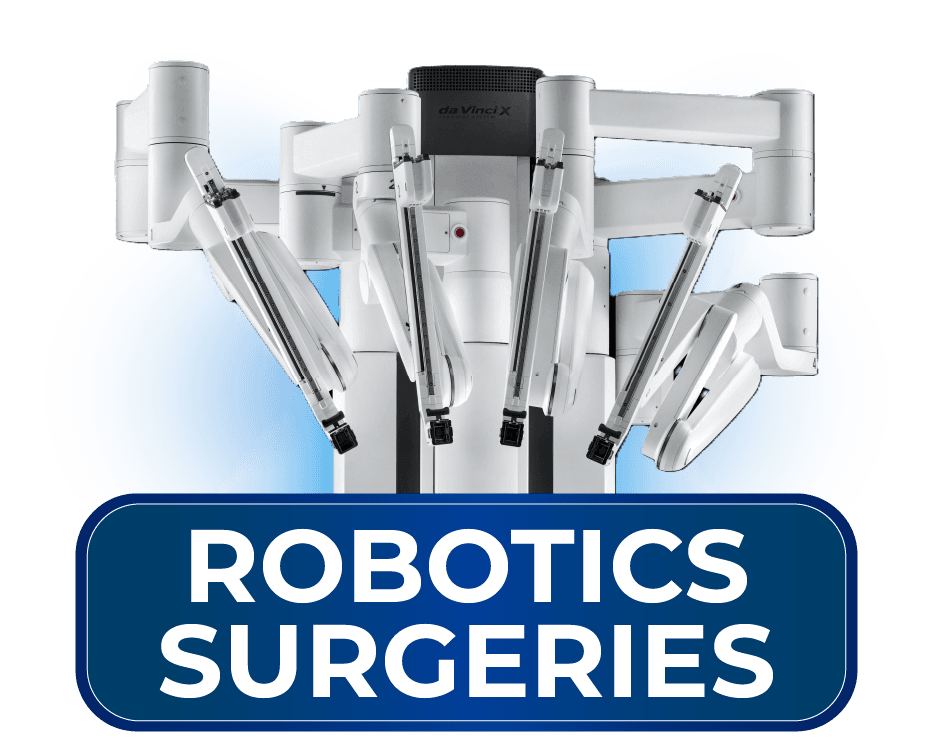
At Sterling Hospitals, advanced technology of Robotic Cancer Surgery is powered by the advanced Da Vinci robotic system, that allows for greater precision, enhanced control, and superior visualisation during complex cancer procedures. With high-definition, magnified 3D imaging and refined instrument movement, the system enables surgeons to operate with remarkable accuracy — particularly in delicate and hard-to-reach areas.
This minimally invasive cancer treatment approach is designed to reduce surgical trauma, minimise pain, and lower the risk of complications, while supporting faster recovery and improved post-operative comfort. By combining advanced technology for robotic cancer surgery with the expertise of our surgeons, we strive to deliver excellent quality outcomes tailored to each patient's condition.
What is Robotic Cancer Surgery?
Robotic Cancer Surgery — also known as Robot-Assisted Cancer Surgery — is an advanced technique that allows surgeons to perform complex cancer procedures with enhanced precision and visual clarity. Using the Da Vinci Surgical System, the surgeon operates robotic arms from a dedicated console. Guided by high-definition 3D imaging, the system translates the surgeon's hand movements into highly controlled surgical actions.
Robotic surgery is commonly used for cancers such as:
- Urological & Kidney cancers
- Gastro Intestinal & Colorectal cancer
- Gynaecologic cancers
- Head and neck cancers
- Lung & Thoracic cancers
What makes Robotic Cancer Surgery different?
Traditional open surgery often requires larger incisions. The advanced Robotic Cancer Surgery is a safe and effective approach, associated with low complication rates and reduced risk of infection. Powered by the Da Vinci Surgical System, it enables precise, controlled movements that help protect surrounding healthy tissues. With smaller incisions and enhanced, magnified 3D high-definition visualisation, surgeons can operate with exceptional clarity and accuracy — even in delicate areas.
For many patients, this may result in:
- Less post-operative discomfort
- Reduced blood loss
- Smaller scars
- Shorter hospital stays
How does robotic technology improve surgical precision?
Robotic systems provide greater dexterity and high accuracy. The robotic instruments move with a wider range of motion than the human hand, enabling very precise movements — especially in tight or delicate areas. This level of control helps minimise the margin of error, which is particularly important when preserving critical nerves and surrounding tissues.
Robotic Surgery vs Laparoscopic Surgery
Both laparoscopic and robotic techniques are minimally invasive. However, robotic surgery offers enhanced dexterity and refined control through surgeon-guided robotic arms. This can support more precise movements, especially in hard-to-reach or anatomically complex areas.
The choice between open, laparoscopic, and robotic surgery depends on the type of cancer, its location, and the patient's overall health. Your surgeon determines the most appropriate approach based on these factors.
What is recovery like after Robotic Cancer Surgery?
Recovery experiences vary depending on the type of cancer and your overall health. However, many patients notice a faster return to their routine, as reduced pain and shorter hospital stays help them get back to normal life sooner. With precise tumour removal and fewer complications, recovery can feel smoother and less disruptive, supporting an improved quality of life. Smaller incisions typically result in minimal visible scarring, and regular follow-ups after surgery remain important to monitor recovery and check for any signs of recurrence.