

Trauma can refer to both emotional and physical injury. Emotional trauma occurs after a deeply upsetting or frightening experience that affects a person’s feelings, thoughts or daily life. Physical trauma includes injuries such as wounds, broken bones or…
📋 Overview
What is trauma?
Trauma can refer to both emotional and physical injury. Emotional trauma occurs after a deeply upsetting or frightening experience that affects a person’s feelings, thoughts or daily life. Physical trauma includes injuries such as wounds, broken bones or internal injuries caused by accidents or sudden impacts.

Why is it important?
Untreated trauma can lead to:
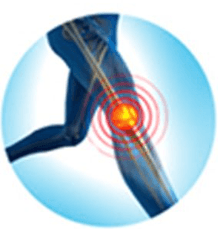
- Persistent pain
- Reduced joint movement
- Difficulty walking or lifting the arm
- Weakness or repeated injury
Early diagnosis and treatment help restore movement, reduce pain and prevent complications.
Who is commonly affected?
Trauma can affect anyone, at any age. Those particularly at risk include:
| Group | Description |
|---|---|
| Children and young people | Higher risk of injuries during sports, play and road accidents |
| Older adults | Increased risk of falls and fractures due to poor balance and weak bones |
| Athletes and manual workers | Greater risk from repetitive movements, heavy lifting and high-impact activities |
| Workers in hazardous jobs | Higher risk of injury in physically demanding or unsafe environments |
⚡Causes—Why It Happens
Underlying causes of trauma
Traumatic events may be sudden or sustained over time. Common triggers include:
- Serious road traffic accidents or falls
- Physical assault, robbery or sexual violence
- Serious illness or injury
- Natural disasters such as floods, fires or earthquakes
- Child abuse, neglect or witnessing domestic violence
- Exposure to war or conflict
Risk factors and lifestyle contributors
Factors that may increase the risk of injury include:
- Previous injuries
- Weak muscles or poor balance
- Osteoporosis in older adults
- High-impact sports
- Unsafe surroundings or slippery surfaces
- Lack of physical activity
- Obesity
- Poor flexibility
- Smoking
- Overtraining without enough rest
🔍 Signs & Symptoms
| 🩹 Physical | Pain, swelling, bruising, bleeding or tenderness |
|---|---|
| 🚶 Movement | Difficulty moving, walking or bearing weight |
| ⚠️ Severe Signs | Deformity, numbness, weakness or loss of consciousness |
| 🌡️ General | Fatigue, dizziness or shock |
In the weeks following a traumatic event, it is normal to experience the following:
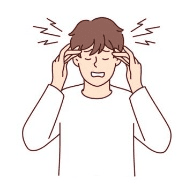
Symptoms vary depending on the type and severity of injury. Severe trauma requires urgent medical attention.
🏥 Diagnosis & Investigations
Clinical evaluation
A healthcare professional will conduct an assessment exploring:
- The traumatic event and its impact
- Emotional and physical symptoms
- Sleep and mood changes
- Daily functioning
- Past mental health history
- Available social support
Tests
Investigations may include:
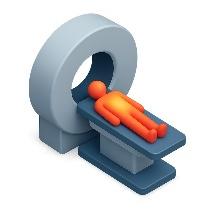
- X-rays: identify fractures or dislocations
- Computed tomography (CT) scans: detailed imaging for complex fractures
- Ultrasound: evaluate tendon and soft tissue injuries
- Other imaging tests may be recommended depending on the type and severity of the trauma
What patients should expect?
During assessment and treatment, patients can generally expect:
- A detailed history and physical examination
- Pain assessment and early pain relief
- Imaging tests to confirm the diagnosis
- Referral to physiotherapy or orthopaedic specialists when appropriate
- Follow-up appointments to monitor healing and recovery
In severe trauma cases, emergency treatment may include wound care, fracture stabilisation or urgent surgery.
💊 Treatment Options
Medications
Common medicines include:
- Paracetamol for pain relief
- Non-steroidal anti-inflammatory drugs (NSAIDs) to reduce inflammation
- Short-term stronger painkillers for severe injuries
- Steroid injections in selected long-term inflammatory conditions
Lifestyle changes

| RoutineHelps create a sense of safety and control. | SleepSupports physical and emotional recovery. | ExerciseReduces stress and improves mood. | Social supportHelps recovery through emotional support. |
|---|
Non‑surgical management
Self-help approaches may include:
- Grounding techniques to stay calm and present
- Mindfulness and relaxation exercises
- Gradually returning to daily activities
- Joining support groups
When is a procedure or surgery needed?
Surgery may be required for:
- Complex or unstable fractures
- Severe joint injuries or dislocations
- Ongoing joint instability
- Major soft tissue injuries
- Failure of non-surgical treatment
Common procedures include:
- Fracture stabilisation or fixation
- Arthroscopy (keyhole surgery)
- Repair of damaged ligaments or tendons
- Emergency surgery for severe injuries
💡Myths & Facts
If you can move it, it is not broken.
Some fractures still allow limited movement.
Minor cuts do not need medical attention.
Deep or contaminated wounds may require treatment or tetanus protection.
Rest alone cures all injuries.
Many injuries require rehabilitation and physiotherapy.
Surgery is always necessary after trauma.
Many injuries heal with non-surgical treatment.
❓Frequently Asked Questions
🩺 When should I seek emergency care after an injury?
Seek urgent care for severe pain, heavy bleeding, breathing difficulty, numbness, weakness or visible deformity.
🩻 Will I need imaging tests?
X-rays, MRI or CT scans may be needed depending on the injury.
🏃 When can I return to normal activities?
Recovery depends on injury severity and the progress of rehabilitation.
💪 Can physiotherapy help after trauma?
Yes. Physiotherapy improves strength, flexibility and recovery.
Speak to an orthopaedic specialist
Get an expert opinion and a personalised treatment plan at Sterling Hospitals.


