

Total hip replacement (THR), also called total hip arthroplasty, is a surgery in which a damaged hip joint is replaced with an artificial joint (implant). The new joint helps reduce pain, improve movement and make daily activities easier.
Overview of the Condition
What is a total hip replacement?
Total hip replacement (THR), also called total hip arthroplasty, is a surgery in which a damaged hip joint is replaced with an artificial joint (implant). The new joint helps reduce pain, improve movement and make daily activities easier.
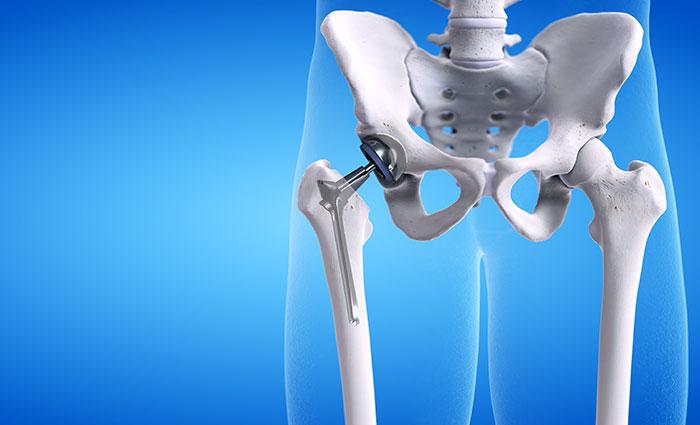
When the cartilage (smooth covering of the joint) wears away, the bones rub against each other, causing pain and stiffness.
The surgery replaces damaged parts with artificial components made of metal, ceramic, or special plastic.
Common conditions leading to hip replacement
- Osteoarthritis (‘wear and tear’ arthritis)
- Rheumatoid arthritis
- Hip fractures
- Avascular necrosis (loss of blood supply to bone)
- Severe hip injury or deformity
Diagnosis and investigations
Doctors diagnose hip joint damage using medical history, physical examination, X-rays, blood tests and magnetic resonance imaging (MRI) scans.
Treatment Options
Non-surgical treatments: Include pain medicines, physiotherapy, lifestyle changes, walking aids and joint injections.
Surgical treatment: Doctors may suggest surgery if:
- Symptoms become severe
- Pain affects daily life
- Medicines no longer help
- Walking becomes difficult
- Sleep is disturbed
If pain and disability continue despite non-surgical interventions, total hip replacement may be recommended.
Procedure Details and Hospital Stay
Procedure details
In total hip replacement surgery, the damaged ball-and-socket of the hip is removed and replaced with artificial parts.
The procedure is done to:
- Relieve pain
- Improve walking and movement
- Improve quality of life
- Help patients return to daily activities
Before the Procedure
Key instructions before surgery
- Inform the doctor about all medicines
- Stop smoking if possible
- Arrange support at home after surgery
Preparation guidelines
Patients may be advised to:
- Stop certain blood-thinning medicines
- Complete blood tests and scans
- Use antiseptic soap before surgery
Procedure Overview
Step-by-step (Simplified)
- The patient is given anaesthesia.
- The surgeon makes a cut near the hip.
- Damaged bone and cartilage from the hip joint are removed.
- Artificial socket and ball components are placed.
- The wound is closed with stitches or staples.
Risks and Complications
Common risks include:
- Infection
- Blood clots
- Bleeding
- Joint dislocation
- Difference in leg length
- Implant loosening over time
Benefits and Expected Outcomes
Benefits
- Reduced pain
- Better mobility
- Easier walking
- Improved sleep
- Better quality of life
During hospital stay
What to expect
- Monitoring in the recovery room
- Pain medicines
- Walking started early (often the same day or the next day)
- Physiotherapy sessions
- Use of walker or crutches
Post-procedure care
Doctors monitor pain control, blood pressure, wound healing, walking ability and blood clot prevention.
Recovery, Lifestyle and Follow-up
Recovery and aftercare
Length of hospital stay
- Usually 1–3 days
- Some patients go home the same day
Recovery timeline
- Walking begins within 1 day
- 4–6 weeks: better movement
- Up to 1 year for full healing
Activity restrictions
For several weeks:
- Avoid bending too much
- Avoid twisting the hip
- Avoid sitting on very low chairs
- Use support while walking
Wound care
- Keep wound clean and dry
- Follow dressing instructions
- Watch for redness or swelling
Lifestyle and Prevention
Recommended diet
- High-protein foods for healing
- Adequate water intake
- Maintain a healthy weight
- Continue exercises
When to contact a doctor
Seek medical help if there is:
- Fever
- Increasing pain
- Redness or pus from the wound
- Sudden swelling in the leg
- Chest pain or breathing difficulty
Myths and Facts
Myth: Hip replacement is only for elderly people.
Fact: Younger adults may also need it.
Myth: You cannot walk normally after surgery.
Fact: Most patients walk much better after recovery.
Myth: Recovery takes years.
Fact: Most patients improve significantly within months.
Frequently Asked Questions (FAQs)
Is hip replacement painful?
Pain is controlled with medicines and usually improves greatly after recovery.
When can I walk after surgery?
Many patients begin walking with support within 24 hours.
Can I climb stairs after surgery?
Yes, after rehabilitation and doctor approval.
Speak to an orthopaedic specialist
Get an expert opinion and a personalised treatment plan at Sterling Hospitals.


