

Sports injuries are injuries that happen during exercise, sports, gym workouts, running or other physical activities. They can affect muscles, bones, joints, ligaments (tissues connecting bones), tendons (tissues connecting muscles to bones) and sometimes…
Overview of the condition
What are sports injuries?
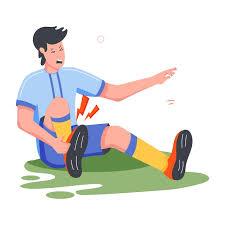
Sports injuries are injuries that happen during exercise, sports, gym workouts, running or other physical activities. They can affect muscles, bones, joints, ligaments (tissues connecting bones), tendons (tissues connecting muscles to bones) and sometimes the head.
Why is it important?
Most sports injuries are mild and improve with proper care. However, untreated injuries can lead to:
- Long-term pain
- Weakness or stiffness
- Reduced movement
- Repeat injuries
- Difficulty in daily activities or sports
Early diagnosis and proper treatment help with faster recovery and prevent long-term damage.
Who is commonly affected?
Sports injuries can happen to anyone, including athletes, gym users, runners, cyclists and children playing outdoor sports.
Commonly affected body parts include the knees, ankles, shoulders, back, elbows and head.
Causes and why it happens
Common causes
Sports injuries usually occur because of:
- Sudden falls or collisions
- Twisting movements
- Overtraining
- Poor exercise technique
- Lack of warm-up or stretching
- Using incorrect equipment or footwear
- Repeating the same movement again and again
Signs and symptoms
Symptoms depend on the type and severity of the injury.
Common symptoms:
- Pain during movement
- Swelling
- Bruising
- Stiffness
- Difficulty walking or moving
- Muscle weakness
- Tenderness (pain when touched)
Diagnosis and investigations
Doctors use a combination of physical examination and tests to confirm an injury.
- Clinical evaluation
- Physical examination
- Tests and imaging (X-ray, MRI, CT scan and ultrasound)
- Blood tests
Treatment options
Treatment depends on the injury type and severity:
Immediate first aid: RICE method
A common early treatment is RICE:
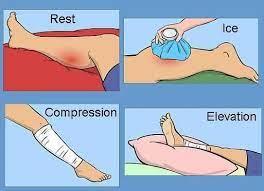
- R – Rest: Stop activity
- I – Ice: Apply ice for 15–20 minutes
- C – Compression: Use a bandage or support
- E – Elevation: Raise the injured body part above heart level
This helps reduce pain and swelling.
Medications
Doctors may recommend:
- Pain-relief medicines such as paracetamol
- Muscle relaxants in some cases
Always use medicines as advised by a healthcare professional.
Lifestyle changes
Recovery improves with:
- Proper warm-up before exercise
- Stretching
- Gradual increase in workout intensity
- Healthy diet
- Good sleep
- Adequate hydration
- Using appropriate sports equipment
Non-surgical management
Many injuries improve without surgery through:
- Physiotherapy (exercise-based rehabilitation)
- Braces or supports
- Strengthening exercises
- Sports rehabilitation programmes
Myths and Facts
“If the pain is mild, keep playing.”
Continuing activity can worsen the injury.
“Only athletes get sports injuries.”
Anyone who exercises or is physically active can get injured.
“Rest alone is enough.”
Many injuries need physiotherapy and guided rehabilitation.
“Surgery is always required.”
Most sports injuries improve without surgery.
Frequently Asked Questions (FAQs)
How long does recovery take?
Recovery may take: A few days for mild sprains Several weeks for muscle injuries Months for major ligament tears or recovery after surgery
Can I exercise with a sports injury?
Mild injuries may allow modified activity, but painful movements should be avoided. Always follow medical advice.
When should I see a doctor?
Seek medical help if you have: Severe pain Swelling Difficulty walking Deformity Symptoms lasting more than a few days
Can sports injuries be prevented?
Yes. Sports injuries can be prevented by warming up and stretching before exercise, using correct techniques and wearing appropriate footwear and equipment. Strength training and adequate rest may also help.
Speak to an orthopaedic specialist
Get an expert opinion and a personalised treatment plan at Sterling Hospitals.


